Irish Slipper Size Calculator
Enter the length of your longest toe to heel in centimeters (cm). Measure barefoot or with socks in the evening.
📄Your Recommended Sizes
UK Women's
-EU Standard
-UK Men's
-Style-Specific Advice
Backless Mules
Stick to your exact calculated size. These rely on friction, so a loose fit will cause slipping.
Closed-Back & Boots
If you plan to wear thick wool socks or have wide feet, consider going half a size up from the result above.
It’s a rainy Tuesday evening in Dublin, the kind where the wind howls off the Liffey and your socks are damp from walking to the Luas stop. You step into your living room, eager for comfort, but instead of relief, you feel pressure on your toes or notice your heels slipping out. It’s frustrating, isn’t it? Finding the right fit is tricky because slippers are indoor footwear designed for warmth and comfort rather than structural support. Unlike running shoes that need a half-inch gap, slippers should hug your foot without squeezing. But how do you know if that pair of cozy fleece-lined mules from Dunnes Stores or the leather loafers from Brown Thomas will actually fit?
The answer lies in measuring your feet correctly. Many of us buy slippers based on our usual sneaker size, only to discover they’re too tight or too loose. This guide will walk you through exactly how to measure your foot size for slippers, taking into account the specific sizing standards used here in Ireland.
Why Standard Shoe Sizes Don't Always Work for Slippers
You might be a solid UK 7 (EU 40) in trainers, but that doesn’t guarantee a perfect fit in house shoes. Here’s why: slippers lack the rigid structure of outdoor footwear. They don’t have stiff midsoles or reinforced toe boxes to hold their shape. If they’re even slightly too small, they’ll cramp your toes, leading to discomfort during those long evenings watching the GAA highlights or reading by the fire. If they’re too big, your foot slides around, defeating the purpose of having warm, supportive footwear.
Additionally, different brands use different lasts-the mold around which the shoe is built. A slipper from a local Galway artisan might run narrow, while a mass-produced pair from a high street retailer might be wider. Understanding your actual foot dimensions helps you navigate these variations.
What You Need to Measure Your Feet
You don’t need fancy equipment. Just grab these household items:
- A piece of paper larger than your foot (A4 works perfectly)
- A pen or pencil with a fine tip
- A ruler or tape measure
- A wall or flat surface (like the side of a sofa)
Do this measurement barefoot. If you usually wear thick socks indoors-common in older Irish homes with drafty windows-measure while wearing them. Your foot size can change throughout the day due to swelling, so it’s best to measure in the late afternoon or evening when your feet are at their largest.
Step-by-Step: How to Measure Your Foot Length
Follow these steps carefully for both feet. We all have one foot slightly larger than the other, so always use the measurements from the bigger foot.
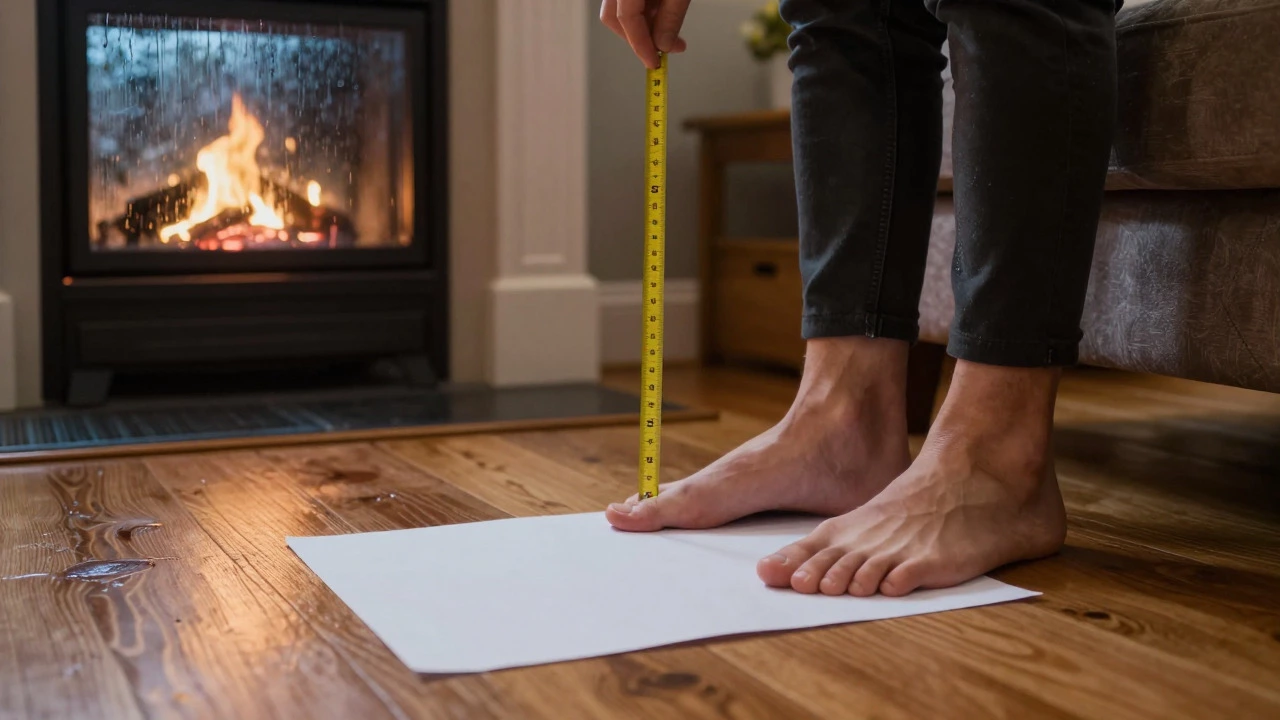
- Place the paper on a hard floor. Carpet compresses underfoot, giving inaccurate readings. Place the paper against a wall.
- Stand on the paper. Put your heel firmly against the wall. Stand naturally, with your weight evenly distributed. Don’t sit down; standing expands your foot arch and length.
- Mark the longest toe. Have someone mark the tip of your longest toe (it’s not always the big toe). Keep the pen perpendicular to the floor.
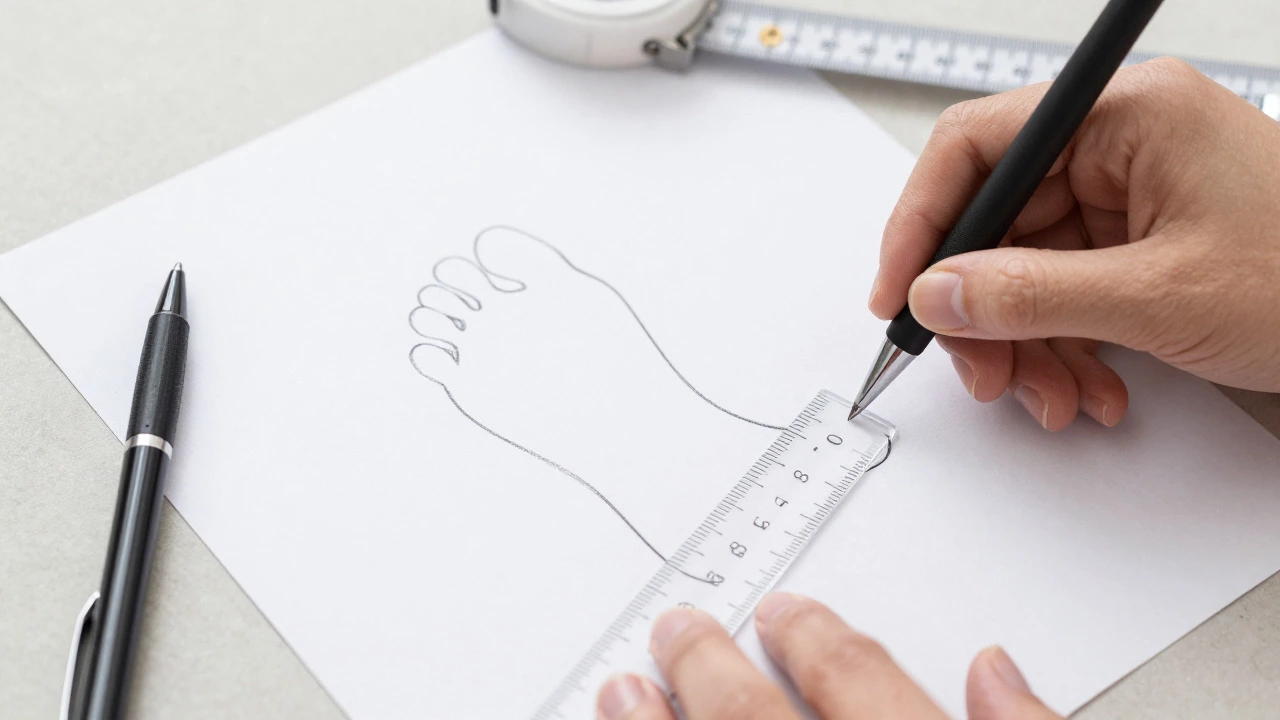
- Measure the distance. Use your ruler to measure from the edge of the paper (where your heel was) to the mark. Record this in centimeters.
- Repeat for the other foot. Compare the two numbers and keep the larger one.
This gives you your foot length. For most slippers, this is the primary metric you need. However, width matters too, especially if you have wide feet or bunions.
Measuring Foot Width
To measure width, stand on the paper again. Mark the widest part of your foot-usually across the ball of the foot, just behind the toes. Measure the distance between these two marks. This is your foot width.
Why does this matter? In Ireland, we often deal with colder temperatures, meaning we might opt for thicker, bulkier slippers like shearling boots or wool-lined clogs. These materials take up more internal space. If you have wide feet, a standard-width slipper might feel constricting. Look for brands that offer wide-fit options or choose styles with flexible uppers, like soft suede or knit fabrics.
Converting Centimeters to Irish Shoe Sizes
Ireland uses UK sizing as its standard, though EU sizes are also commonly displayed. Here’s a quick reference chart for adult women and men. Note that children’s sizes differ significantly.
| Foot Length (cm) | UK Women's Size | EU Size | UK Men's Size |
|---|---|---|---|
| 23.0 cm | 3 | 36 | 4.5 |
| 23.5 cm | 4 | 37 | 5 |
| 24.0 cm | 5 | 38 | 5.5 |
| 24.5 cm | 6 | 39 | 6 |
| 25.0 cm | 7 | 40 | 7 |
| 25.5 cm | 8 | 41 | 8 |
| 26.0 cm | 9 | 42 | 9 |
| 26.5 cm | 10 | 43 | 10 |
If your measurement falls between sizes, round up. For example, if your foot is 24.2 cm, choose a UK 5 (EU 38) rather than a UK 4. It’s better to have a tiny bit of extra room than to squeeze your toes.
Special Considerations for Slipper Fit
Not all slippers are created equal. The type of slipper you choose affects how you should interpret your size.
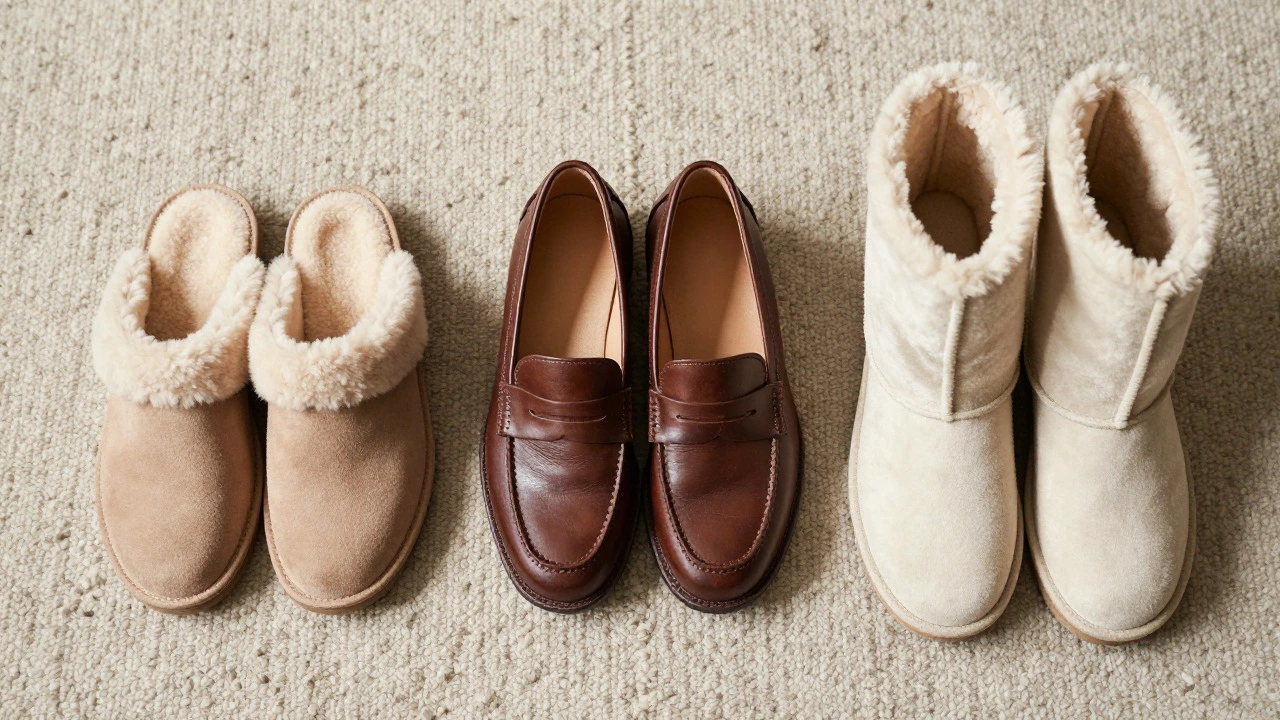
- Backless Mules: These rely on friction to stay on. If they’re too big, your foot will slide out every time you stand up. If they’re too small, they’ll dig into your toes. Stick to your exact measured size.
- Closed-back slippers are enclosed footwear that provides full coverage and warmth. These can accommodate a slightly looser fit since the heel is secured. If you’re between sizes, go up half a size for added comfort, especially if you plan to wear thick socks.
- Boot-style slippers: These are popular in rural areas of Ireland where floors get cold. They often have a narrower shaft. If you have wide calves or ankles, check the brand’s specific sizing guide, as standard foot length may not reflect ankle circumference.
Common Mistakes to Avoid
Many people make simple errors when measuring or selecting slippers. Here’s what to watch out for:
- Ignoring foot swelling: As mentioned, feet swell during the day. Measuring in the morning can lead to buying slippers that feel tight by evening.
- Assuming symmetry: Most people have one foot larger than the other. Always measure both and use the larger measurement.
- Forgetting about insoles: Some premium slippers come with removable orthotic insoles. If you plan to add custom orthotics, you’ll need a larger size to accommodate the extra thickness.
- Relying solely on online reviews: While helpful, reviews are subjective. One person’s “snug” is another’s “tight.” Use reviews to gauge whether a brand runs large or small, then adjust your measured size accordingly.
Where to Buy Well-Fitting Slippers in Ireland
Once you know your size, where should you shop? Ireland offers a mix of high street retailers and independent boutiques.
For budget-friendly options, stores like Dunnes Stores is a major Irish supermarket chain offering affordable fashion and homeware. and Penneys is a popular clothing retailer known for value-for-money apparel and accessories. carry a wide range of slippers. Their sizing tends to be consistent with standard UK charts, making them a safe bet if you’ve measured accurately.
For higher-quality, durable options, consider Brown Thomas is an upscale department store in Dublin featuring luxury brands. in Dublin or Marks & Spencer is a British multinational retailer with strong presence in Ireland.. These stores often carry brands that prioritize fit and comfort, such as UGG or Birkenstock. Birkenstock slippers, in particular, require a break-in period and should fit snugly at first before molding to your foot.
If you prefer supporting local businesses, look for independent shoe shops in cities like Cork, Galway, or Limerick. These shops often provide personalized fitting advice and can order specific sizes or widths if needed.
Troubleshooting Fit Issues
Even with accurate measurements, you might encounter fit problems. Here’s how to address them:
- Toes touching the front: Your slippers are too short. Return or exchange for a larger size. Don’t expect them to stretch significantly.
- Heel slipping: If you’re wearing backless mules, try adding a non-slip pad inside the heel area. If it’s a closed-back slipper, the size might be too large.
- Squeezing on the sides: You likely have wide feet. Look for wide-fit options or choose softer materials that conform to your foot shape over time.
- Arch pain: Ensure the slipper has adequate arch support. Flat, unsupportive slippers can cause strain, especially if you’re standing frequently.
Frequently Asked Questions
Should I size up or down for slippers?
Generally, stick to your true measured size. However, if you plan to wear thick socks or have wide feet, sizing up half a size can improve comfort. Avoid sizing down unless the brand specifically recommends it for a snugger fit.
Do slippers run bigger or smaller than regular shoes?
It varies by brand and style. Soft, fabric slippers often run true to size, while structured leather or rubber-soled slippers might run slightly small. Always check the brand’s sizing guide and customer reviews for insights.
How often should I measure my feet?
Foot size can change due to age, weight fluctuations, pregnancy, or health conditions. It’s wise to re-measure every 1-2 years, or whenever you notice your current footwear feels uncomfortable.
Can I use my shoe size for slippers?
Not necessarily. Shoe sizes vary widely between brands and types. Using your actual foot measurements in centimeters is far more reliable than relying on a generic shoe size number.
What should I do if my feet are different sizes?
Always buy based on the larger foot. If the difference is significant, look for brands that sell individual left and right shoes, or choose styles with adjustable straps or elasticized openings to accommodate the variance.