Evening Gown Styling Assistant
Planning an event in Ireland? The weather is unpredictable, but your outfit doesn't have to be. Answer these questions to get personalized fabric and styling advice.
You’ve got the invite. Maybe it’s a gala at Dublin Castle, a wedding in the West of Ireland, or a corporate dinner at a sleek hotel in Cork. You stare into your wardrobe, panic rising. How do you look good in an evening gown when the weather is unpredictable and the occasion demands perfection? It’s not just about buying the most expensive fabric. It’s about understanding how light hits satin, how humidity affects silk, and why that one dress you saw on Instagram might actually be a nightmare to wear in a draughty Georgian townhouse.
Here is the truth: looking great in formal wear is 20% shopping and 80% preparation. If you are based in Ireland, you face specific challenges-rain, wind, cold venues, and a culture that values understated elegance over flashy excess. Let’s break down exactly how to nail your look, from choosing the right silhouette to surviving the dance floor at a rural farmhouse wedding.
Know Your Body Before You Shop
Most people buy dresses they wish they had bodies for. Stop doing that. Look in the mirror with honest eyes. Are your shoulders broad? Do you have a defined waist? Is your height average (around 5'4" for many women here)?
If you are petite, avoid overwhelming yourself with massive ball gowns. They can swallow you whole. Instead, opt for column silhouettes or A-line cuts that create vertical lines. Brands like Smyths Toys’s sister brands or local boutiques in Grafton Street often carry styles tailored for smaller frames. If you are curvy, don’t hide under shapeless sacks. Embrace structure. Corseted bodices provide support and define the waist, while flowy skirts skim rather than cling.
Consider your lifestyle too. If you are attending a networking event where you’ll be standing and holding a glass of wine, a high-slit skirt might be awkward. Practicality matters. Ask yourself: Can I sit comfortably? Can I walk up stairs without tripping? Can I use the bathroom efficiently? If the answer is no, put it back on the hanger.
The Irish Weather Factor: Fabric Matters
This is where international advice fails us. You cannot treat a rainy November night in Galway like a summer evening in Los Angeles. The humidity in Ireland plays havoc with certain fabrics.
| Fabric | Best For | Irish Climate Risk |
|---|---|---|
| Silk Satin | Luxury galas, indoor weddings | Wrinkles instantly if damp; shows sweat marks |
| Chiffon | Summer garden parties, layering | Blows wildly in wind; gets wet easily |
| Velvet | Winter balls, autumn dinners | Heavy; absorbs moisture but dries slowly |
| Crepe | All-rounder, office-to-evening | Low risk; matte finish hides minor stains |
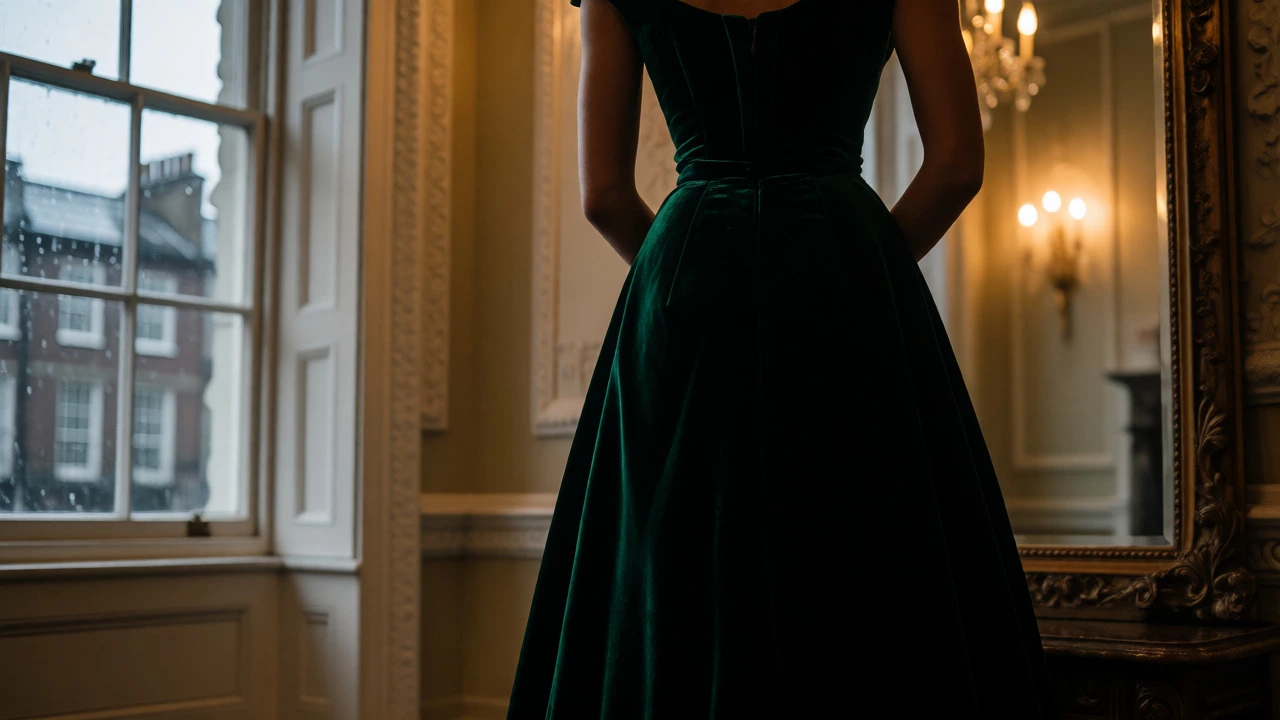
Velvet is having a moment in Ireland right now, and for good reason. It looks rich under low lighting, keeps you warm during outdoor receptions, and doesn’t show rain spots as badly as lighter silks. If you are heading to a venue in the countryside, like a castle hotel in Kildare, velvet is your best friend. Avoid heavy taffeta unless you want to sound like a crinkling crisp packet every time you move. In a quiet dining room, that noise is distracting.
Fit Is King: The Tailoring Secret
Here is a secret boutique owners won’t always tell you upfront: off-the-rack rarely fits perfectly. We are not mannequins. Our bodies have curves, asymmetries, and history.
When you try on an evening gown, ignore the tag size. Focus on the bust and hips. It is easier to take in a dress at the waist than to let out a tight zipper. Budget for alterations. In cities like Dublin, Belfast, or Limerick, there are excellent seamstresses who specialize in formal wear. Spending €50-€100 on tailoring can turn a €300 dress into something that looks custom-made for €1,000.
Pay attention to the neckline. If you are wearing a strapless gown, ensure it stays up when you raise your arms. Test this in the fitting room. Nothing kills confidence faster than constantly pulling your dress up during a conversation. If you need support, invest in proper shapewear or a bra specifically designed for the cut. Nipple covers work for some, but for structured bodices, you need real support.
Color Psychology and Skin Tone
Ireland has a diverse population, but fair skin with cool undertones is common. This doesn’t mean you must stick to pastels. Actually, deep jewel tones often pop better against pale complexions than soft pinks or lavenders, which can wash you out.
- Emerald Green: Obvious choice for St. Patrick’s Day, but works year-round. It complements red hair beautifully and adds warmth to cool skin tones.
- Navy Blue: More sophisticated than black for daytime-to-evening transitions. It photographs well under flash photography, unlike pure white which can blow out.
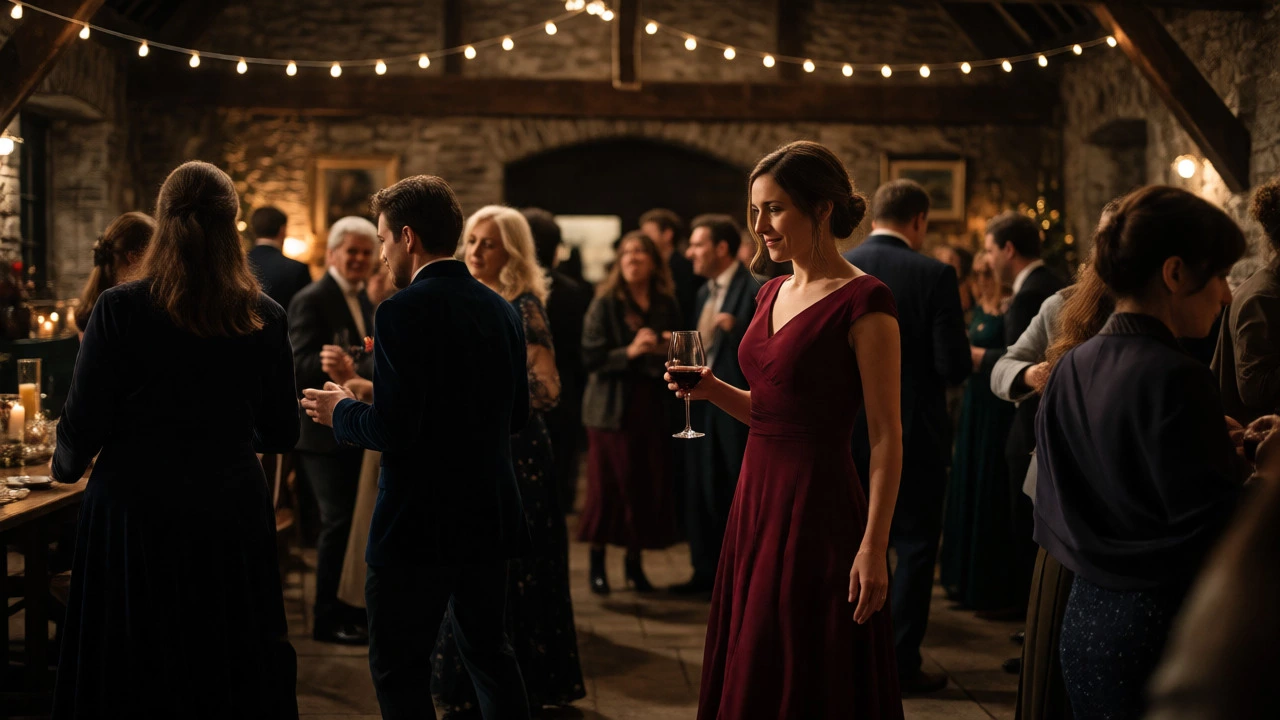
- Burgundy/Wine: Perfect for autumn and winter weddings. It feels festive without being loud.
- Champagne/Gold: Great for New Year’s Eve parties. Just ensure the metallic isn’t too shiny if the event is daytime.
Avoid neon colors unless you are going for a specific bold statement. In conservative Irish settings, especially older family gatherings, subtle elegance wins points. You want people to remember your smile, not your blinding yellow hemline.
Shoes and Posture: The Foundation
You will stand more than you think. At a wedding reception, you might stand for two hours straight. Wearing brand-new heels is a rookie mistake. Break them in weeks before the event. Walk around your house, go to the shops, test them on different surfaces.
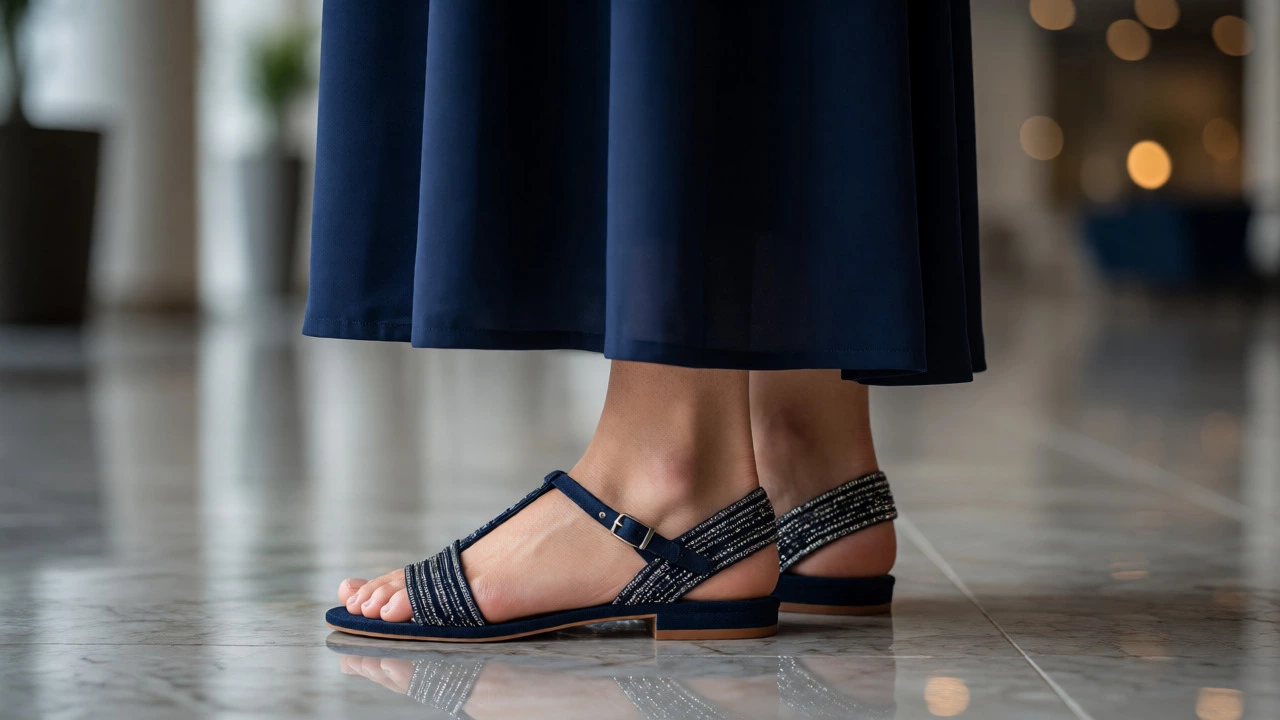
Consider the venue flooring. Cobblestones in Temple Bar? Block heels are essential. Wooden floors in a historic hall? Suede soles grip better than plastic. If you are tall, you might skip heels entirely. A flat embellished sandal can look chic and modern, especially if you are dancing later.
Posture changes everything. Slouching makes even the best dress look cheap. Practice walking with your shoulders back and core engaged. Imagine a string pulling the top of your head toward the ceiling. This elongates your neck and makes the gown drape correctly. If you struggle with posture, consider a few sessions with a Pilates instructor before big events. Core strength translates directly to grace.
Accessories: Less Is More
Irish style tends to favor minimalism. Don’t overload. If your gown has intricate beading, keep jewelry simple. Small stud earrings or a delicate pendant necklace suffice. If the dress is plain, you can add a statement clutch or bold earrings.
Think about practicality again. Large hoop earrings might tangle in hair during windy outdoor ceremonies. Long scarves can get caught in doors or chairs. Choose accessories that stay put. A small crossbody bag is often smarter than a tiny clutch you have to hold constantly, freeing up hands for drinks and greetings.
Hair and makeup should complement, not compete. Humidity in coastal areas like Donegal or Kerry can frizz hair. Use anti-humidity sprays and consider an updo if it suits your style. Loose curls might fall flat within an hour. Secure styles last longer and keep you cool if the heating is turned up high in crowded rooms.
Confidence: The Invisible Accessory
Ultimately, how you feel dictates how you look. If you are uncomfortable, it shows. Fidgeting, adjusting straps, worrying about spills-it all reads as insecurity.
Prepare mentally. Know your outfit inside out. Have a backup plan for emergencies (double-sided tape, stain wipes, safety pins). When you know you are prepared, you relax. Relaxation allows your natural charm to shine through. Smile. Make eye contact. Engage with people. People are drawn to warmth, not just perfect hemlines.
In Ireland, we value authenticity. Trying too hard can backfire. Wear the dress, don’t let the dress wear you. Own your choices. If you chose a daring cut, own it. If you chose classic simplicity, own that too. Confidence is magnetic. It turns a nice evening into a memorable one.
Frequently Asked Questions
What is the best color for an evening gown in Ireland?
Deep jewel tones like emerald green, navy blue, and burgundy work exceptionally well. They complement fair skin tones common in Ireland and photograph well in lower-light conditions typical of Irish venues. Emerald is culturally significant and versatile, while navy offers a sophisticated alternative to black.
How do I handle rain if my evening gown is long?
Opt for heavier fabrics like velvet or crepe that resist water spotting. Carry a stylish umbrella, but be careful opening it near others. Consider hemming the dress slightly shorter if you anticipate walking outdoors on wet pavement. Some venues offer shoe protectors or carpet runners, but don't rely on them. Darker colors also hide mud splashes better than light ones.
Do I need to wear heels with an evening gown?
No. Comfort is key for enjoyment. Flats, block heels, or wedges are acceptable and often preferred for dancing or outdoor venues with uneven ground. Ensure the length of the dress is adjusted to your chosen footwear height to prevent tripping. Embellished flats can look just as elegant as heels.
Where can I find affordable evening gowns in Dublin?
Check out boutiques along Grafton Street and Henry Street for mid-range options. For budget-friendly finds, explore vintage stores in Phibsborough or online resale platforms. High-street retailers like H&M and Zara often have dedicated 'occasionwear' sections that update seasonally. Always allow time for alterations, which can save money by allowing you to buy simpler, cheaper dresses and customize the fit.
How early should I book a stylist or tailor?
Book tailors at least 4-6 weeks before the event, especially during peak wedding seasons (May-September) or pre-Christmas periods. Good seamstresses in Dublin and Cork fill up quickly. Buying the dress 2-3 months in advance gives you time to shop around and ensures availability of alteration slots.