The "Expensive Suit" Quality Calculator
Quick Verdict
Start the calculator to see results.
The Foundation: Jacket
Grounding: Footwear
Finishing Touches
Expert Recommendations
In Dublin, the difference between a bargain bin blazer and a bespoke masterpiece often comes down to details you might miss if you aren’t looking closely. Walking into a boardroom in Ballsbridge or attending a wedding in Kilkenny requires more than just slapping on a jacket; it demands an understanding of how fabric, fit, and finish interact with our unique climate. You don’t need to drop three thousand euros on a brand name to command respect. Instead, focus on the construction and the cut.
The Foundation: Fabric Matters More Than Brand
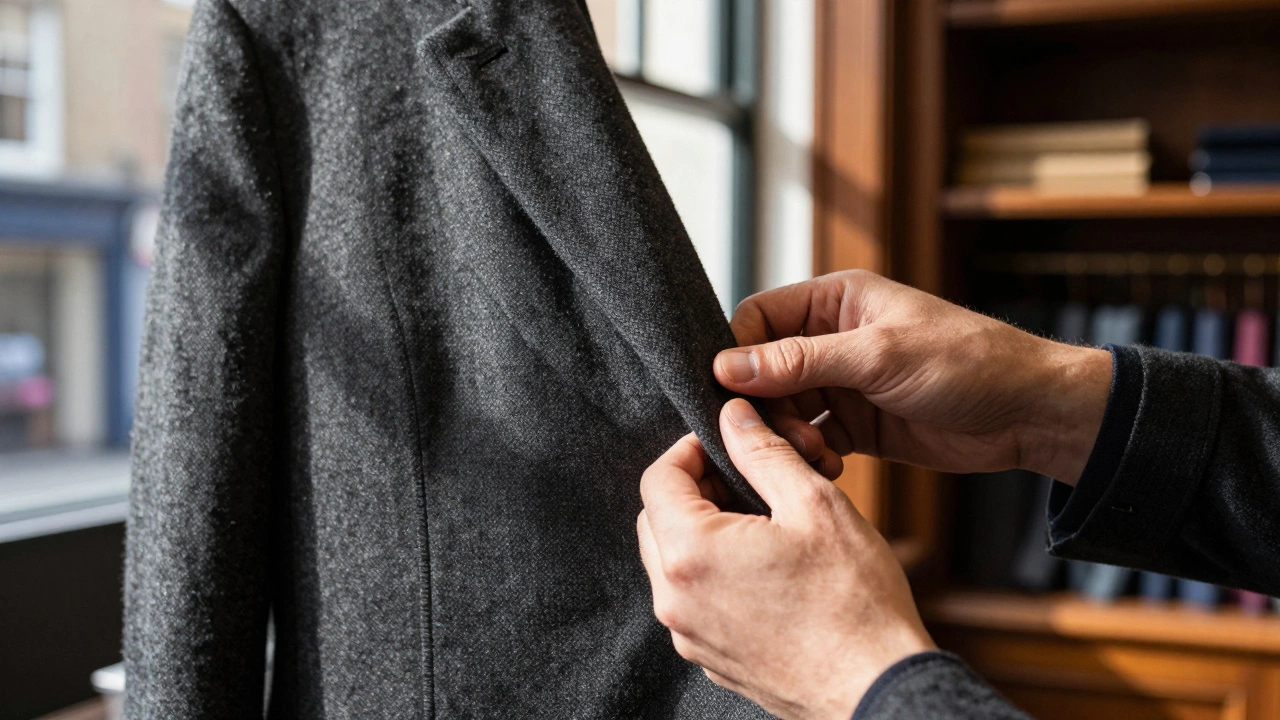
Wool is a natural fibre sourced from sheep, known for its breathability and durability. Also known as Virgin Wool, it performs exceptionally well in Ireland where humidity fluctuates daily.Most affordable suits found on Grafton Street during sales are polyester blends. While they resist wrinkles, they trap heat and smell after wearing them all day. To look expensive, touch the fabric. Real wool feels cool to the touch initially and warms up. It also has a slight nap. A 120-super weight wool is versatile enough for summer conferences in Cork and winter meetings in the city centre. Avoid synthetic materials entirely; they reflect light cheaply and lack the texture that suggests quality.
If you are shopping in Ireland, visit the larger department stores in Dublin City Centre or head to independent boutiques in Temple Bar. Ask for the composition label before paying. If it contains more than 5% viscose or polyester, walk away unless you are on a tight budget. Investable pieces usually run 100% wool or a high-quality merino blend.
Prioritize Fit Over Size
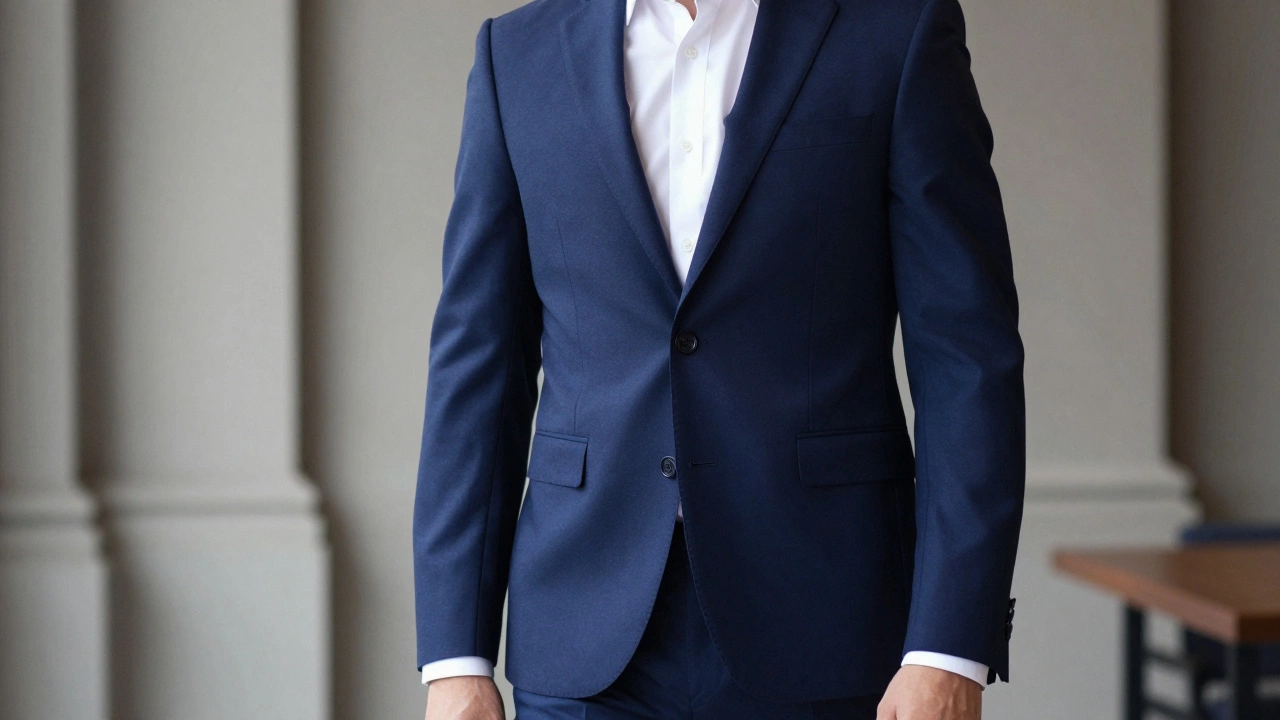
Sizing in off-the-rack suits can be inconsistent. One size 42 from a chain store might fit differently than another brand’s 42. When you step out of the cab at the airport or the train station at Heuston, you want your silhouette to be sharp. A high-end look relies on the shoulders being structured but not padded excessively. The sleeve length should show half an inch of shirt cuff. If the jacket bunches up when you reach for your briefcase, the waist isn’t cinched correctly.
| Feature | Off-the-Rack Suit | Tailored Adjustment |
|---|---|---|
| Shoulders | Often boxy or loose | Custom contoured to body |
| Trousers | Long break or pooling | Perfect ankle clearance |
| Jacket Length | Fixed | Adjusted to body ratio |
Take your suit to a local tailor. Many dry cleaners on Capel Street offer alterations. Spend those extra thirty euros hemming trousers and taking in the waist. A fitted suit always costs less in money but looks infinitely more valuable because it hugs your frame properly.
Footwear Grounds the Outfit
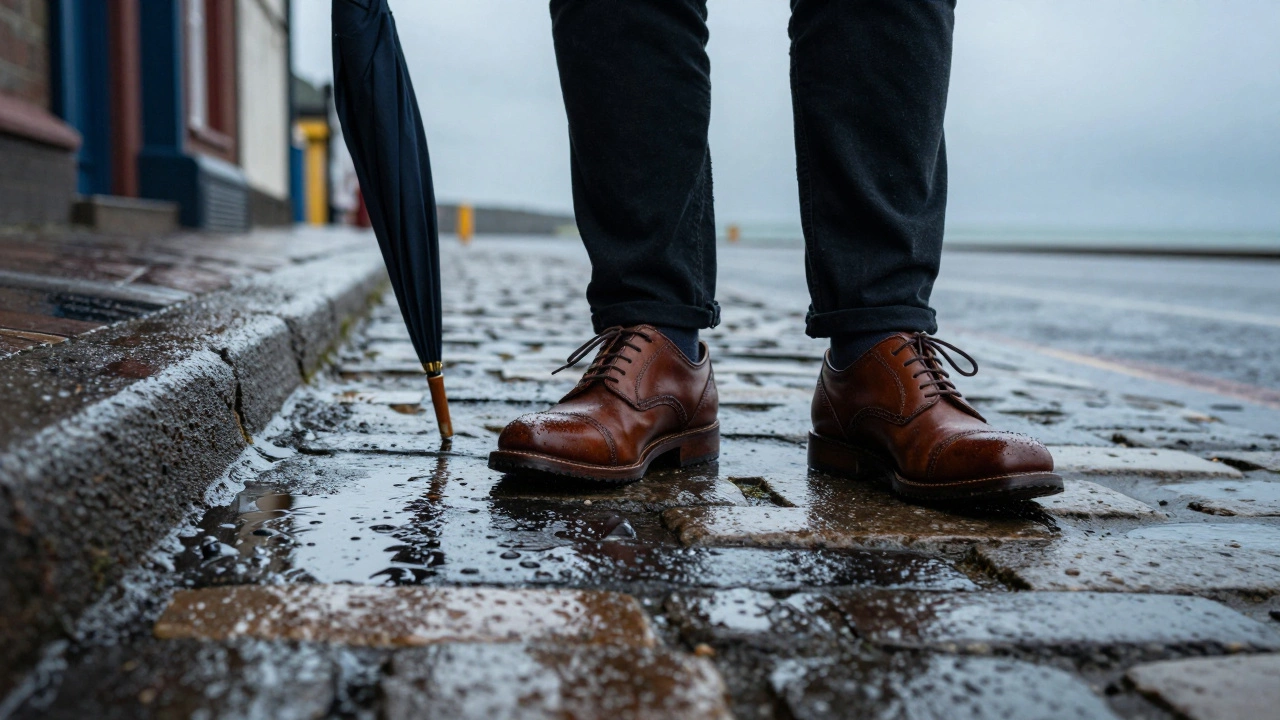
Leather Brogues are footwear made from tanned hide with decorative perforations. Also known as Brogue Shoes, they add classic style to formal attire.You cannot wear a premium suit with worn-out trainers or scuffed shoes. In Ireland, the pavement is often wet. Cheap synthetic shoes water-log immediately. Look for Goodyear welted leather brogues. The stitching around the sole separates the leather upper from the rubber sole, allowing replacement when the bottom wears out. Brown leather contrasts beautifully with navy or charcoal suits, a staple choice for Irish professional settings.
Cleanliness is non-negotiable. Use a horsehair brush after every wear to remove mud tracked in from the bus or footpath. Polish with beeswax cream once a month. This shine reflects light subtly, signaling maintenance and care. Avoid suede unless you have an umbrella handy; salt damage from winter grit ruins suede instantly.
Smart Accessories Add the Finishing Touch
A tie is often the first thing people notice. Silk ties hold a knot better than polyester ones, which tend to slip and flatten. Stick to solids or subtle patterns like paisley or stripes. For the pocket square, ensure it doesn’t match the tie exactly. A simple white cotton fold adds sophistication without screaming for attention.
Consider the watch. It should slide easily under the cuff strap. A heavy leather bracelet might snag on the fine wool weave of your jacket sleeve. Keep accessories minimal. In Dublin business culture, understated confidence trumps flashy logos. A well-maintained wallet and matching belt complete the picture.
Maintenance for the Irish Climate
The Atlantic air brings constant moisture. If you leave a suit hanging in a cramped closet for too long, moths might target the natural wool fibres. Store your suits in breathable garment bags rather than plastic covers. Rotate your jackets; wearing the same suit two days in a row allows the fibres to snap back to shape. Brush off lint daily.
Dry clean sparingly. Too much chemical cleaning weakens the fabric. Spot clean stains instead. Most reputable tailors in Dublin’s north side or city centre offer spot cleaning services. Pressing is necessary, but avoid steaming synthetic linings as it causes bubbling. A proper ironing session on low heat removes creases from sitting on trains or buses.
Where to Shop in Ireland
If you prefer ready-to-wear, check the racks in major retail zones like St Stephen’s Green or the Quays. However, for that authentic "expensive" feel, seek out established tailors. Some heritage shops on Nassau Street or near the University district specialize in custom cuts. Even if you cannot afford full bespoke tailoring, a "made-to-measure" option offers a middle ground where standard patterns are adjusted slightly for your proportions.
Budget options exist too. Sales at the end of seasons in November and January offer significant discounts. Buy a neutral grey or navy base suit during these periods. Save your cash for a separate pair of Italian-made trousers if needed to mix matches.
Is it okay to wear black suits in Ireland?
Black suits are generally reserved for funerals or very formal evening events. For daytime business meetings in Dublin or Cork, a mid-grey or navy suit projects a friendlier and more modern image. Black can sometimes look too severe for everyday work environments here.
How do I maintain my suit during winter rain?
Always carry a compact umbrella. If your suit gets splashed, let it dry naturally away from direct heat sources. Hang it on a wooden hanger to absorb moisture slowly. Never put a damp suit back in the press until it is completely dry to avoid mold.
What is the best fabric for the Irish weather?
Tropical wool or medium-weight worsted wool is ideal. These fabrics breathe well when warm but insulate adequately during chilly winds coming off the coast. Heavier tweeds are great for outdoor activities but too hot for indoor offices.
Can I wear a suit with casual jeans underneath?
No, for the most expensive look, trousers must be tailored to match the jacket. Wearing jeans with a blazer creates a smart-casual look, which is distinct from the formal aesthetic of a full suit. Consistency in fabric and colour ensures cohesion.
Should I pay for bespoke tailoring?
If you plan to keep the suit for over five years, yes. Bespoke suits last longer because the internal canvas holds shape better. However, for occasional wear, high-street suits with professional alterations yield nearly the same visual result at half the cost.