
Irish Work Shoe Fitness Checker
Enter your details above to get recommendations tailored to the Irish climate.
There is nothing quite worse than arriving at your desk after a grey commute through a Dublin drizzle, only to realise your heels are screaming for mercy. You stand on the platform at Connolly Station, waiting for the train, wondering why your feet feel like they’re encased in bricks. Choosing the right footwear isn’t just about looking smart; it’s about surviving the day. For those of us navigating the workplace landscape in Ireland, the stakes are higher because our weather refuses to stay dry.
When you search for comfortable work shoesspecifically designed to handle long hours while remaining presentable in professional settings, you need more than just a pretty picture. You need a solution that balances Irish realities with workplace expectations. Whether you are clocking into a high-rise office in the Docklands or managing a shop floor in Galway, the ground beneath you varies from slippery slate to uneven cobblestones. The wrong pair can lead to chronic back pain or ruined soles within months. Let’s get straight into what actually works here.
Understanding Fit Beyond Size
We often assume our size is universal, but sizing standards differ wildly between European manufacturers and American brands you might find online. In Ireland, most physical retailers stock European measurements, but many imports use UK sizing. This discrepancy causes friction. If you grab a shoe that fits snugly in the shop, remember your feet swell throughout the day, especially after standing or walking.
You should prioritize the “width” over length. Many people in Dublin suffer from flat feet due to genetics, leading to wider foot spreads that standard narrow shoes constrict. When trying them on, push your toes together inside the shoe. There should be about a thumb’s width between your longest toe and the end. If your little toe touches the side wall, the shoe will blister you by noon. Also, check the instep height. Some boots have low profiles that squeeze the top of your foot, cutting off circulation during those long meetings.
Navigating Materials for Local Weather
| Material | Weather Resistance | Comfort Level | Maintenance Needs |
|---|---|---|---|
| Full Grain Leather | Medium | High (Breathable) | Condition monthly |
| Suede/Nubuck | Low | High (Soft) | Protectant spray essential |
| Waterproof Membrane | High | Medium | Wipe clean weekly |
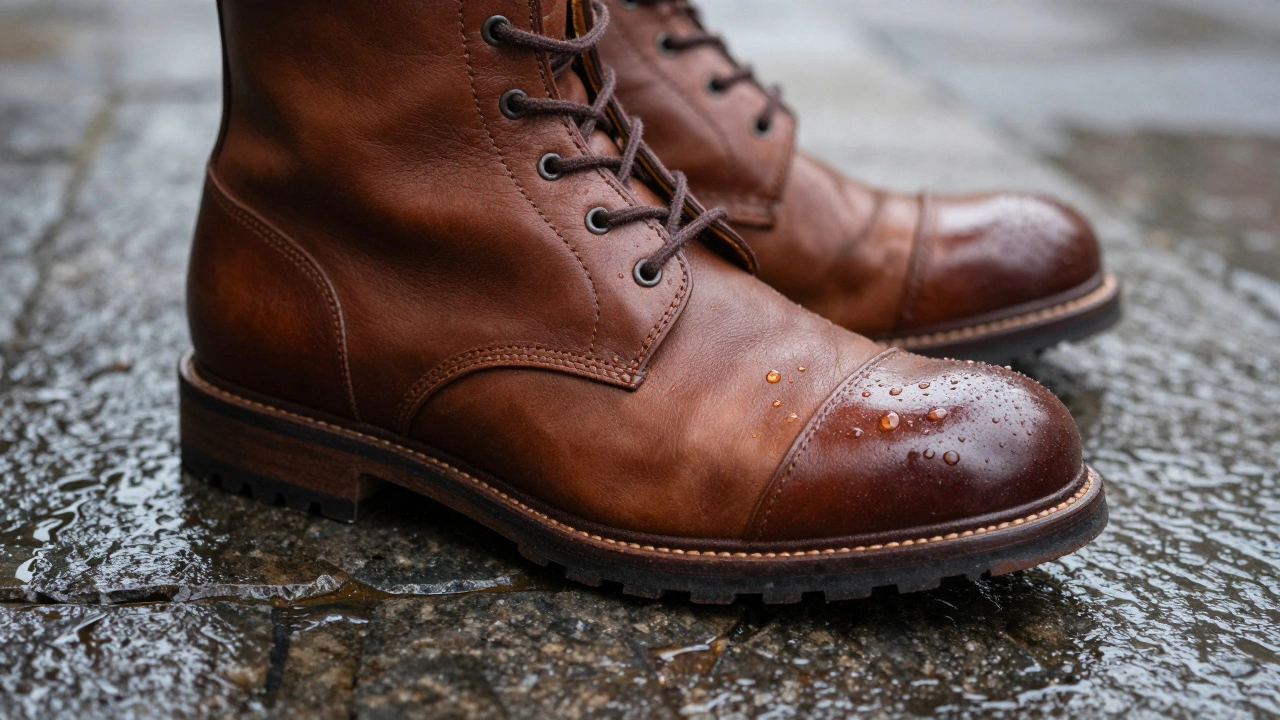
The Atlantic wind brings moisture that penetrates cheap synthetics in seconds. Full grain leather is the gold standard here, but it requires care. Untreated suede looks fantastic until you step in a puddle near Grafton Street. You need a protective spray applied immediately after purchase. Look for treatments containing wax or silicone, which repel water beads.
If your role involves outdoor elements-perhaps security work or site management-consider rubberised leather. It might sound industrial, but modern versions look deceptively stylish. These options stop the cold dampness from seeping through to your socks. Inside, moisture builds up too. Linings made of unbleached cotton allow your skin to breathe better than synthetic mesh, preventing odour buildup that becomes a major issue in the warmer spring months.
Arch Support and Sole Structure
Your spine alignment starts from the ground up. A typical office chair won’t fix leg fatigue caused by poor footing. You want a mid-sole that offers shock absorption. Look for polyurethane or EVA foam technology underfoot. This cushioning absorbs the impact when you step off the bus or onto the hard tiles of a shopping centre.
Orthotic InsolesRemovable inserts that provide custom arch support and extra padding for prolonged standing
While many shoes claim to have built-in arch support, it often flattens out after six months. Carrying a spare pair of orthotic insoles allows you to swap them into different pairs of shoes. You can buy these at a pharmacy chain or see a podiatrist for a custom mould. The initial investment pays off in longevity; your feet stay stable, reducing strain on the knees and lower back.
Heel height matters even for men. A completely flat sole can sometimes cause plantar fasciitis pain later in the day. A slight lift of two centimetres helps distribute weight evenly across the heel ball. For women, the classic "killer" pump style is notoriously bad for Irish winters. Opt for a block heel or wedge design. These offer surface area stability that prevents slipping on wet pavement.
The Commute Reality Check
Think about your daily route. If you take the DART into Sandycove, you aren’t just walking indoors. You are navigating steps, gravel paths, and potentially slushy patches if the snow has melted late. A smooth leather sole might grip dry floors perfectly, but it turns into an ice rink on a wet ceramic floor.
Vibram® soles or similar non-slip rubber compounds provide traction that lasts years. They resist wear and tear from the rougher textures of older city pavements like those found around Temple Bar. If your job involves moving between sites frequently, consider a hybrid style. These look formal enough for client meetings but have rugged enough treads to handle an afternoon rainstorm. The last thing you want is to arrive soaking wet and looking dishevelled.
Local Shopping and Professional Fitting
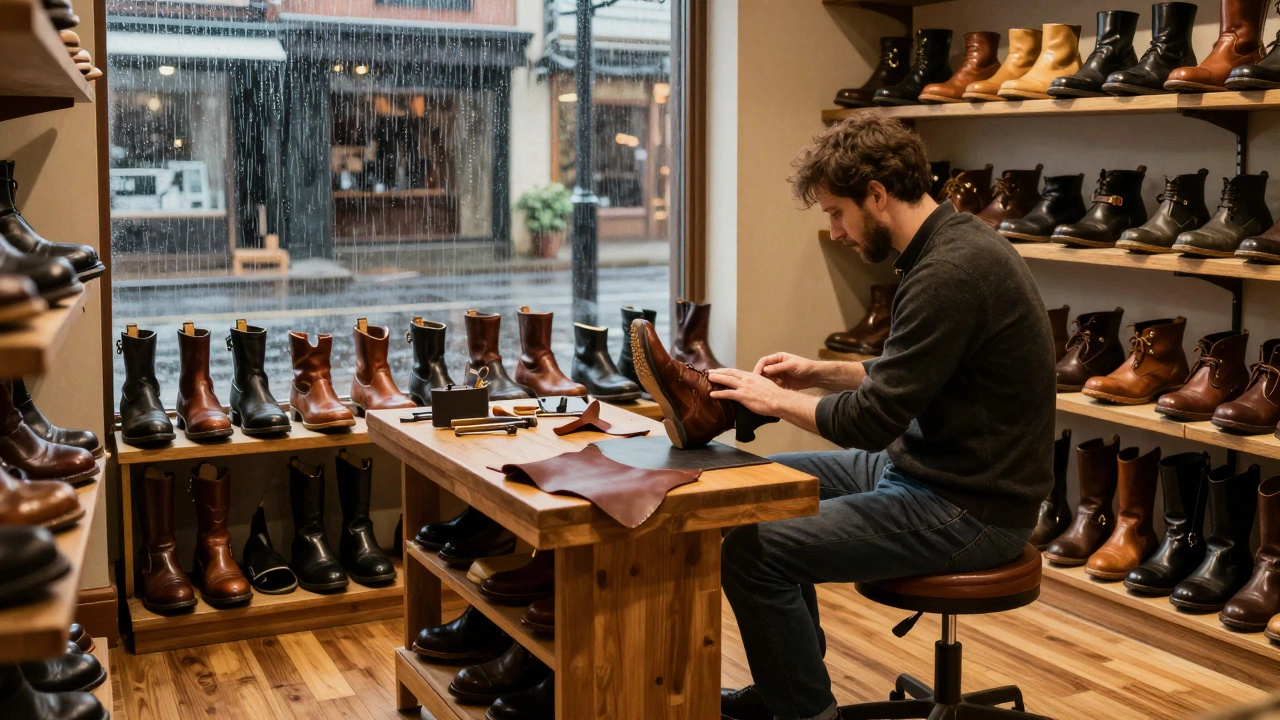
Buying online carries risks regarding fit. In Dublin, heading to a dedicated footwear specialist allows you to stand on a Brannock Device or similar measuring tool. Shop assistants there understand the difference between a narrow E-width and a wide G-width fitting. Department stores on Capel Street often have knowledgeable staff who deal with Irish weather patterns daily.
Budget plays a significant role too. Cheap shoes break down quickly. Spending €150 on a quality pair that lasts three years costs less annually than replacing a €50 pair every six months. Consider local repair services. Ireland still has skilled “cobblers” where you can re-sole a worn-out favourite. Taking shoes to these experts keeps them functional longer and supports the local trade ecosystem.
Troubleshooting Persistent Pain
If you feel persistent discomfort despite buying good shoes, you may need to adjust your routine. Rotate pairs daily. Wearing the same shoes two days in a row compresses the memory foam lining. Giving the interior twenty-four hours to air out prevents bacterial growth and material fatigue. If you are working on hard concrete floors, anti-fatigue mats for your desk station can save your joints significantly.
Finally, don’t ignore the early signs of redness or rubbing. If you feel a "hotspot," apply blister pads immediately. Ignoring this leads to blisters that ruin your week. Keeping a small first aid kit with moleskin in your desk drawer ensures you can manage minor issues before they become painful emergencies. Your health shouldn’t wait for the weekend off.
Can I wear trainers to work in Ireland?
It depends on your company culture. Tech hubs in Silicon Docks generally accept clean, smart trainers. Traditional corporate offices usually require dress shoes. Hybrid options like leather sneakers can bridge the gap effectively without violating conservative policies.
How do I make new shoes less tight?
Wear thick socks and heat the shoes gently with a hairdryer while wearing them for ten minutes. Alternatively, take them to a cobbler who can stretch the leather professionally. Do not soak them in water as this ruins the glue.
Are loafers suitable for all work environments?
Loafers are versatile but often lack ankle support. They are excellent for office-only roles. If you commute on foot frequently, lace-ups or boots provide better stability to prevent rolling an ankle on uneven surfaces.
What is the best way to store work shoes?
Use shoe trees shaped like your feet to maintain form. Store them in a breathable bag rather than a plastic bin, allowing humidity to escape. Avoid leaving them on the floor where they get scuffed and wet.
Do expensive shoes guarantee better comfort?
Not always. Price often reflects brand prestige or design rather than technology. Focus on the construction details mentioned earlier, such as the sole compound and internal padding, rather than just the price tag on the label.