Vintage Jacket Authenticity Checker
Inspect Your Find
Select the features present on your jacket to calculate its likely era.
Select Features
Waiting for input...Analysis Logic:
- Vintage Score > 15: Likely Pre-1990s (True Vintage)
- Vintage Score 0 - 15: Likely 1990s-2000s (Retro)
- Vintage Score < 0: Modern / Fast Fashion
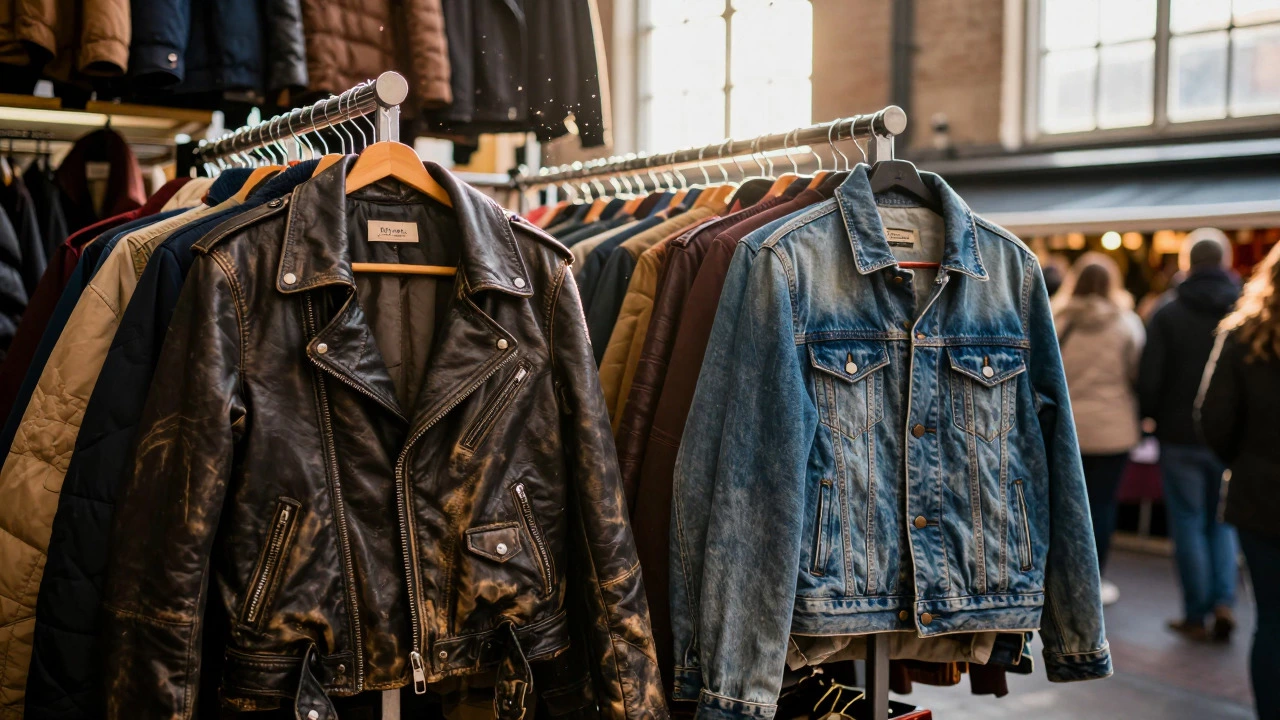
Walking through the bustling stalls of Dublin's Smithfield Market or browsing the curated racks in Temple Bar, you’ve likely spotted that perfect leather biker jacket or a faded denim trucker. It looks incredible, but before you hand over your euro notes, you need to know one thing: is it actually vintage, or just old stock from a high street brand gone out of style? In Ireland’s growing second-hand market, knowing how old is a vintage jacket considered genuine vintage versus retro or simply used is the difference between scoring a collector’s piece and buying a mistake.
The Golden Rule: Defining Vintage Age
There is no single law that dictates what makes a jacket "vintage," but the fashion industry and collectors generally agree on a timeline. For an item to be classified as true vintage, it typically needs to be at least 20 years old. This means that in 2026, any jacket manufactured before 2006 falls into this category. However, there are nuances. Items that are 100 years old or more are often termed "antique." Pieces that are less than 20 years old but have a distinct past aesthetic are usually called "retro" or "second-hand."
Understanding this distinction matters because value follows history. A jacket from the 1970s carries cultural weight that a 2015 fast-fashion piece does not. When you’re hunting for treasures in places like Cork City’s independent boutiques or online via Irish platforms like Vinted (popular among locals) or Depop, knowing the cutoff date helps you filter quickly. If you find a bomber jacket with a tag dated 2018, it’s cool, but it’s not vintage yet. Wait another two decades, and its status changes.
Decoding Labels and Tags: The Detective Work
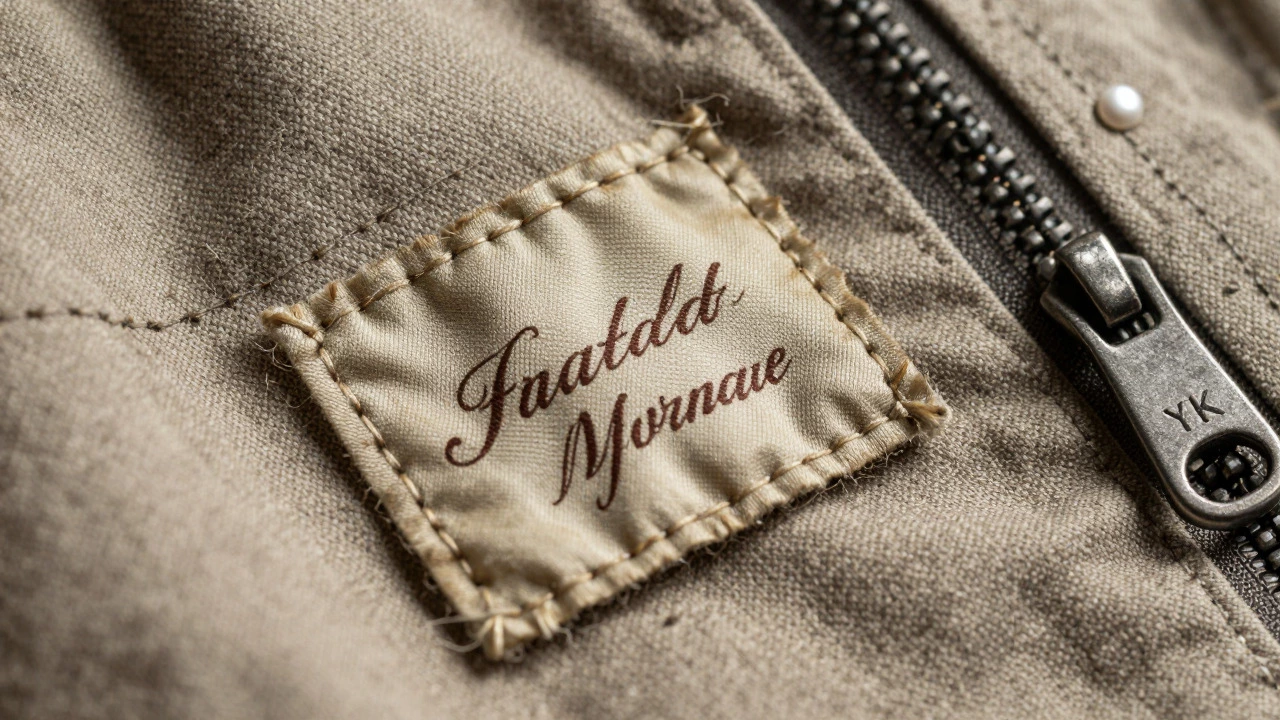
The most reliable way to determine the age of a jacket is by inspecting its labels. Garment labeling laws changed significantly over the decades, providing clear markers for dating.
- Pre-1950s: Look for woven labels made of silk or cotton. These often feature elegant script fonts. Brands like Barbour, which has deep roots in Irish country culture, started using consistent branding during this era. Early tags might only show the size or material, lacking care instructions entirely.
- 1950s-1970s: You’ll start seeing printed paper tags attached with string or staples. Woven labels become more standardized. If you see a "Made in Ireland" tag without specific factory details, it could be from this period when local manufacturing was robust. Denim jackets from this era often have double-stitched seams and rivets that were handmade.
- 1980s-1990s: Care instruction labels become mandatory in many regions due to EU regulations harmonizing standards. Look for symbols showing washing temperatures. If the label says "Made in Europe" rather than a specific country, it’s likely from the late 80s or early 90s. Zippers are a big clue here: metal YKK zippers with the logo embossed on the pull tab became common in the 80s.
- 2000s-2005: By this time, global supply chains meant jackets were increasingly made in Asia. Labels will explicitly state "Made in China," "Made in Bangladesh," or similar. If you’re looking for authentic Irish-made vintage, this is where domestic production dwindles for mass-market outerwear.
If you find a jacket with a CE mark on the label, it’s definitely post-1994, as the European Union mandated these conformity marks for certain products around that time. This is a quick filter for anyone shopping in Galway or anywhere else in the EU.
Material and Construction Clues
Beyond labels, the physical construction of the jacket tells a story. Older jackets were built to last, reflecting a different approach to consumption. In Ireland, where weather demands durable outerwear, this is especially evident.
Check the fabric. Natural fibers like wool, cotton, and leather were dominant before the widespread adoption of synthetics. A heavy wool pea coat from the 1970s will feel dense and substantial. In contrast, a jacket from the 2000s might use polyester blends that feel lighter and smoother. Synthetics like nylon and polyester did exist earlier, but their texture and sheen have evolved. Modern synthetic fabrics often have a plastic-like feel, whereas older nylons might have a matte finish.
Examine the stitching. Vintage jackets often feature chain-stitch hems, a technique common in the mid-20th century. Machine sewing has become faster and more precise over time. Irregularities in stitching, such as slight variations in stitch length, can indicate older, less automated manufacturing processes. Also, look at the buttons. Mother-of-pearl or horn buttons suggest an older garment, while plastic buttons are more typical of later decades. Metal buttons with intricate designs are also hallmarks of pre-1980s fashion.
Popular Styles and Their Eras
Certain jacket styles are iconic to specific periods. Recognizing these silhouettes can help you estimate age even if labels are missing.
| Style | Peak Era | Key Characteristics |
|---|---|---|
| Leather Biker | 1960s-1970s | Asymmetric zip, wide lapels, multiple pockets, heavy leather. |
| Denim Trucker | 1960s-1980s | Straight yoke, chest pockets with flaps, copper rivets. |
| Windbreaker | 1980s-1990s | Bright colors, reflective strips, lightweight nylon, elastic cuffs. |
| Puffer Jacket | 1990s-2000s | Bulkier quilting, synthetic fill, often oversized fits. |
| Trench Coat | 1940s-Present | Epaulettes, gun flap, belt, gabardine fabric. Style evolves subtly. |
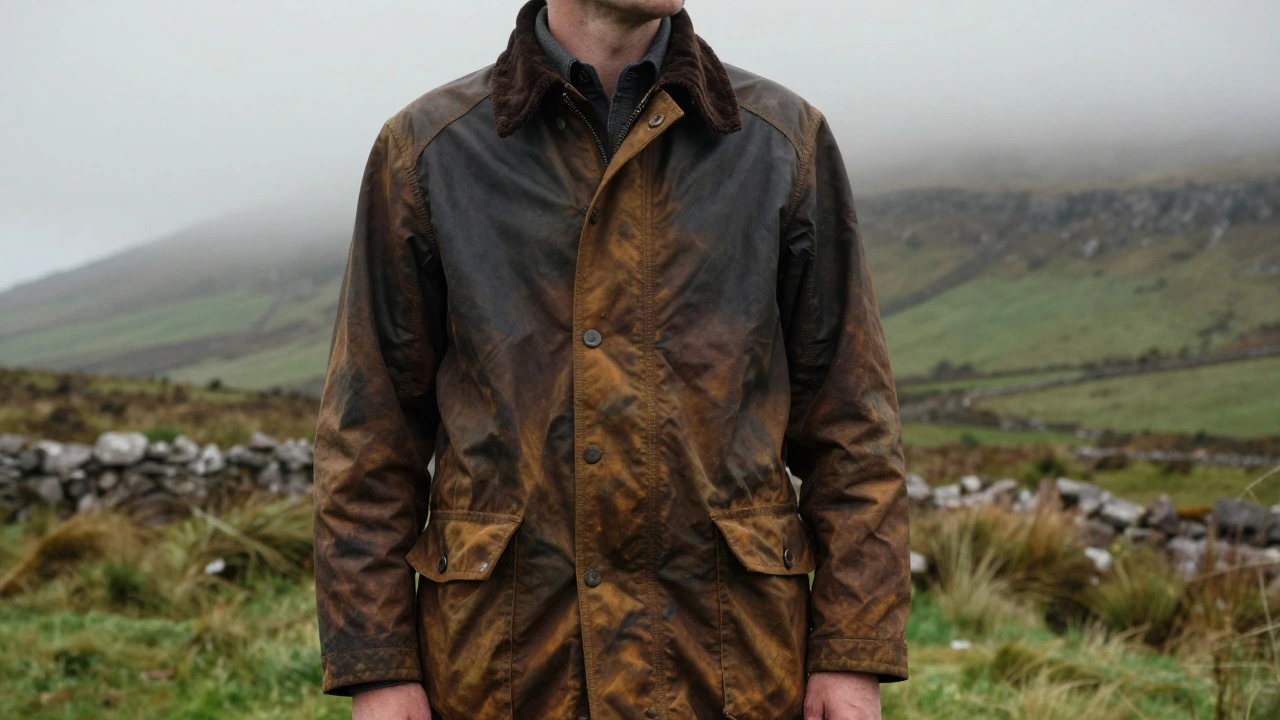
In Ireland, the Barbour waxed jacket is a timeless classic. While they are still produced today, a vintage Barbour from the 1970s will have a different cut and wax composition than a modern one. Collectors in Kerry or Donegal often seek out older Barbour models for their patina and historical significance. Similarly, military surplus jackets from World War II or the Cold War era are highly sought after. These pieces often bear insignia or patches that can be researched to pinpoint exact dates.
Where to Find Vintage Jackets in Ireland
Ireland has a vibrant scene for vintage fashion. Beyond major cities, smaller towns host markets and shops that specialize in pre-loved goods. Here are some places to explore:
- Dublin: Smithfield Market hosts regular vintage fairs. Independent stores in areas like Phibsborough and Rathmines often curate high-quality vintage collections. Check out shops like Vintage Love or The Vintage Exchange.
- Cork: The English Market area has several vintage boutiques. Cork’s university town vibe supports a strong youth-oriented vintage scene, with many students buying and selling unique pieces.
- Galway: As a tourist hub, Galway has numerous vintage shops catering to both locals and visitors. Look for stores near the Spanish Arch or in the Latin Quarter.
- Online Platforms: Websites like Vinted, Depop, and eBay allow you to search specifically for "vintage" items. Filter by location to find sellers in Ireland, reducing shipping costs and carbon footprint.
When visiting physical stores, don’t be afraid to ask the owner about the provenance of a piece. Many vintage shop owners in Ireland are passionate historians who can provide insights into a jacket’s origin. They might tell you that a particular denim jacket was sourced from a estate sale in Limerick or imported from the UK.
Caring for Your Vintage Find
Once you’ve found a jacket that meets your criteria for age and style, proper care is essential to preserve its value. Vintage fabrics are delicate. Avoid frequent washing; instead, air them out after wear. For leather jackets, use conditioners designed for aged leather. Store wool coats on wide, padded hangers to maintain shape. Keep them away from direct sunlight to prevent fading. If you spot minor repairs needed, seek out a tailor experienced with vintage garments. In Ireland, tailoring services in cities like Waterford or Sligo can handle specialized repairs.
Is It Worth the Investment?
Vintage jackets aren’t just about nostalgia; they’re sustainable choices. Fast fashion contributes significantly to waste, whereas buying vintage extends the life of existing garments. From an investment perspective, rare pieces from iconic brands or eras can appreciate in value. A well-preserved 1970s leather jacket or a limited-edition designer piece from the 1990s might be worth more in ten years than it is today. However, most vintage jackets are bought for personal enjoyment rather than financial gain. Enjoy the hunt, appreciate the craftsmanship, and wear your piece with pride.
What is the minimum age for a jacket to be considered vintage?
Generally, a jacket must be at least 20 years old to be classified as vintage. This means items from 2006 or earlier qualify in 2026. Items older than 100 years are often termed antique.
How can I tell if a jacket is made in Ireland?
Look for labels stating "Made in Ireland" or "Product of Ireland." Historically, many garments were manufactured locally, especially before globalization increased. Brands like Barbour have strong Irish ties, though not all their products are made there. Check for specific factory addresses on older tags.
Are vintage jackets more expensive than new ones?
Not necessarily. Prices vary based on brand, condition, rarity, and demand. Common vintage items can be affordable, while rare designer pieces command higher prices. In Ireland, you can find good deals at local markets and online platforms.
What should I look for when buying vintage leather?
Inspect for cracks, tears, or excessive stiffness. Genuine leather ages beautifully, developing a patina. Ensure zippers and snaps function smoothly. Smell the jacket; a strong chemical odor might indicate poor storage or treatment. Buy from reputable sellers who guarantee authenticity.
Where are the best vintage markets in Dublin?
Smithfield Market is renowned for its vintage fairs held regularly throughout the year. Other areas like Phibsborough and Rathmines have independent boutiques specializing in curated vintage collections. Always check event schedules online before visiting.