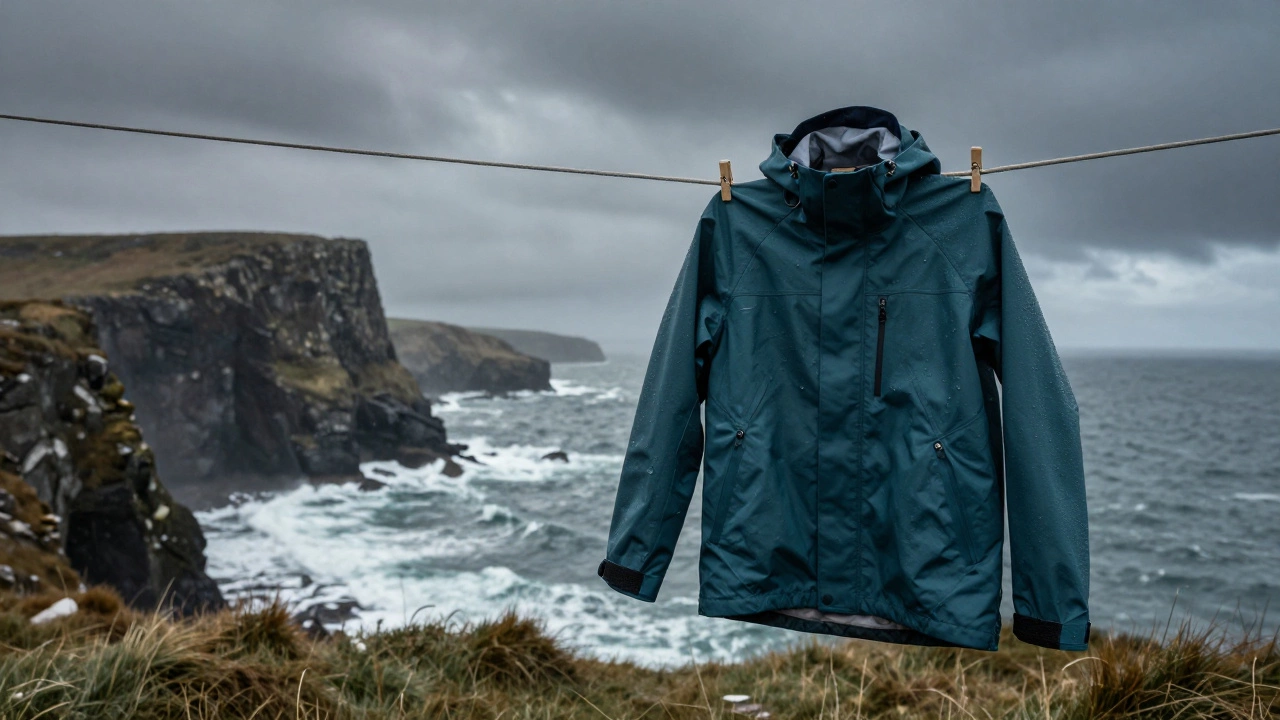
Jacket Washing & Care Calculator
Select options to see results
Care Tips:
- Select a material to view tips.
Living in Ireland means your wardrobe has to work harder than almost anywhere else. One minute you are enjoying a rare burst of sunshine on the Cliffs of Moher, and the next, you are battling a horizontal downpour coming off the Atlantic. This unpredictable weather creates a specific dilemma for anyone trying to maintain their outerwear: when do you actually need to wash that jacket?
We tend to think of washing as a hygiene necessity, but with heavy coats and structured jackets, frequent laundering is often the enemy of longevity. Over-washing can strip natural oils from leather, ruin the waterproofing membranes in technical gear, and cause wool to felt into an unrecognizable lump. So, how many times can you really wear a jacket before it needs a clean? The answer isn't a single number; it depends entirely on the material, what you were doing while wearing it, and whether you spilled pint of Guinness on the lapel.
The General Rule of Thumb for Outerwear
If you are looking for a baseline, most garment experts suggest that you can wear a jacket between 5 and 10 times before it requires any form of cleaning. However, "cleaning" doesn't always mean throwing it in the machine or taking it to the dry cleaner. For many materials, airing out the jacket is sufficient to remove odors and moisture.
In our climate, humidity is a constant factor. When you come indoors from a damp walk along the Wild Atlantic Way, your jacket absorbs moisture from the air and sweat from your body. If you hang it up immediately in a steamy bathroom, you risk mildew. Instead, hang it on a wide, padded hanger in a well-ventilated room. Letting it breathe for 24 hours can refresh the fabric enough for another week of wear.
Material Matters: A Breakdown by Fabric Type
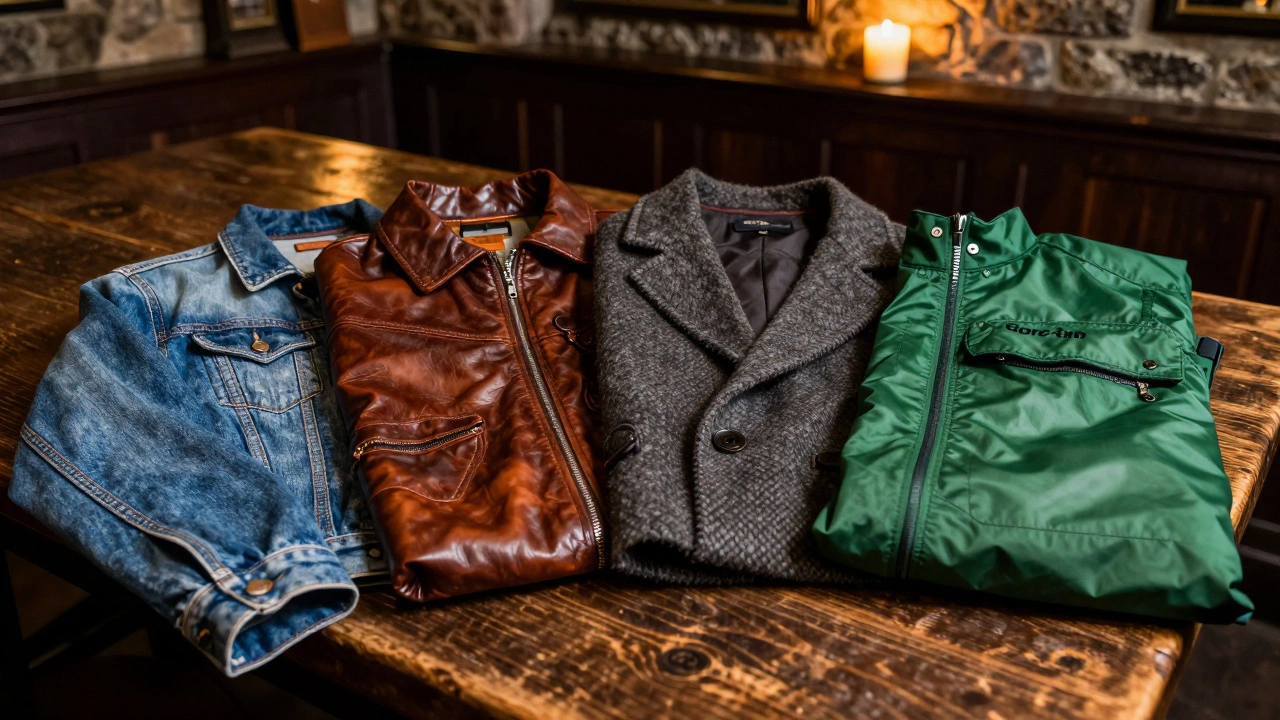
Not all jackets are created equal. The fiber content dictates the washing schedule. Here is how different materials hold up under Irish conditions:
| Material | Wear Count Before Wash | Cleaning Method | Key Risk |
|---|---|---|---|
| Denim | 20+ wears | Cold water, inside out, rarely | Fading, shrinkage |
| Leather | 10-15 wears (spot clean only) | Professional conditioning/cleaning | Drying out, cracking |
| Wool | 3-6 wears | Dry clean or hand wash (delicate) | Felting, moth damage |
| Technical/Waterproof | 10-15 wears or when DWR fails | Machine wash with technical detergent | Clogged pores, loss of breathability |
| Blazer/Suit Jacket | 4-6 wears | Dry clean sparingly | Shape distortion, lining wear |
Denim Jackets
Denim is remarkably resilient. In fact, many denim purists argue you should never wash your jeans or denim jacket unless they smell bad or have visible stains. Frequent washing removes the indigo dye and breaks down the fibers, leading to premature holes. If you live in Dublin and commute via Luas or bus, your denim jacket likely accumulates dust rather than deep grime. Brush it off with a soft bristle brush and air it out. If it does need a wash, use cold water and turn it inside out to preserve the color.
Leather Jackets
Leather is breathable but sensitive to water and heat. Never put a leather jacket in the washing machine. Rain spots can be wiped away with a damp cloth, but let the jacket air dry naturally-never near a radiator or fire, which will make the leather brittle. If your leather jacket smells like smoke or stale pub air, professional cleaning is the safest route. Brands like Saddleback Leather or local Irish cobblers often offer conditioning services that restore the finish better than DIY kits.
Wool Coats and Blazers
Wool is naturally odor-resistant because its fibers repel dirt and absorb moisture without feeling wet. This makes it perfect for Ireland’s chillier months. However, wool attracts moths. If you are storing a wool jacket during the summer, ensure it is completely clean before putting it away. Even invisible sweat residues can attract pests. For everyday wear, a good brushing with a clothes horse removes surface lint and dust. Dry cleaning should be reserved for once or twice a season, not after every few wears, as the chemicals can degrade the wool over time.
Technical Waterproof Jackets
This category includes brands like Patagonia, The North Face, or local favorites like Celtic Outdoor. Contrary to popular belief, technical jackets need to be washed regularly. Dirt, body oils, and sunscreen clog the microscopic pores in the membrane (like Gore-Tex), reducing breathability. If your jacket feels clammy inside, it’s not just the weather-it’s dirty. Wash these jackets every 10-15 wears using a technical detergent (avoid fabric softeners!). After washing, tumble dry on low heat to reactivate the DWR (Durable Water Repellent) coating.
Spot Cleaning: The Smart Alternative to Full Washes
Most of the time, you don’t need to wash the entire jacket. Spot cleaning extends the life of your garment significantly. Here’s how to handle common Irish mishaps:
- Rain Stains: Wipe with a clean, damp microfiber cloth. Let air dry.
- Food/Grease Spots: Apply a small amount of dish soap or a specialized stain remover pen directly to the spot. Gently dab, don’t rub, to avoid spreading the stain. Rinse with a damp cloth.
- Odors: Hang the jacket outside on a windy day. Fresh air and UV light help neutralize smells. For stubborn odors, place the jacket in a sealed bag with baking soda overnight.
- Pet Hair: Use a rubber glove or a lint roller. Sticky tape works in a pinch but can leave residue on delicate fabrics.
The Environmental Cost of Over-Washing
In Ireland, where environmental awareness is growing, consider the impact of your laundry habits. Washing machines consume significant amounts of water and energy. Microfibers from synthetic jackets also shed into the water system, contributing to ocean pollution. By extending the time between washes, you reduce your carbon footprint and save money on electricity and detergent.
Organizations like Keep Ireland Beautiful advocate for sustainable consumption practices. Choosing quality garments that last longer and require less maintenance aligns with this ethos. Invest in fewer, better pieces rather than fast-fashion items that fall apart after a few washes.

Storage Tips for Irish Homes
Proper storage prevents the need for unnecessary cleaning. Moisture is the biggest enemy of stored clothing. In older Irish homes, particularly those with solid walls or limited insulation, dampness can be an issue. Store jackets in breathable cotton bags, not plastic dry-cleaning covers, which trap moisture. Keep them away from direct sunlight to prevent fading. If you live in a coastal area like Galway or Cork, salt air can accelerate corrosion of zippers and buttons, so wipe hardware down occasionally.
When to Seek Professional Help
Some jackets are too complex for home care. Structured blazers with interfacing, suede jackets, or heavily embellished pieces should go to a trusted dry cleaner. In cities like Dublin, Cork, and Limerick, there are reputable dry cleaners that specialize in delicate fabrics. Ask about their methods-some use hydrocarbon solvents which are gentler than traditional perchloroethylene (perc). Always point out stains before handing over your jacket; dry cleaners can treat specific spots more effectively than general cleaning.
Can I wash my jacket in the dishwasher?
No, never wash a jacket in the dishwasher. While some people claim it works for puffy vests, the high heat and harsh detergents can damage fabrics, melt adhesives, and ruin zippers. Stick to hand washing or machine washing on gentle cycles designed for delicates.
How do I know if my waterproof jacket needs re-proofing?
If water no longer beads up on the surface and instead soaks into the fabric, your DWR coating has worn off. Wash the jacket first, then apply a spray-on or wash-in DWR treatment. Tumble drying on low heat helps activate the new coating.
Is it okay to hang a wet jacket?
Yes, but only if it’s in a well-ventilated area away from direct heat sources. Hanging allows air to circulate, speeding up drying. Avoid radiators or hair dryers, as intense heat can shrink wool, crack leather, or delaminate waterproof membranes.
Do I need to wash a new jacket before wearing it?
It’s recommended, especially for synthetic or technical jackets. New garments may contain residual chemicals from manufacturing. Washing removes these and prepares the fabric for proper performance. For wool or leather, airing it out for a day is usually sufficient.
How often should I take my suit jacket to the dry cleaner?
Once or twice a year is typically enough for a suit jacket worn regularly. Between dry cleanings, brush off lint and spot clean minor stains. Over-dry cleaning can weaken the fibers and cause the lining to deteriorate faster.