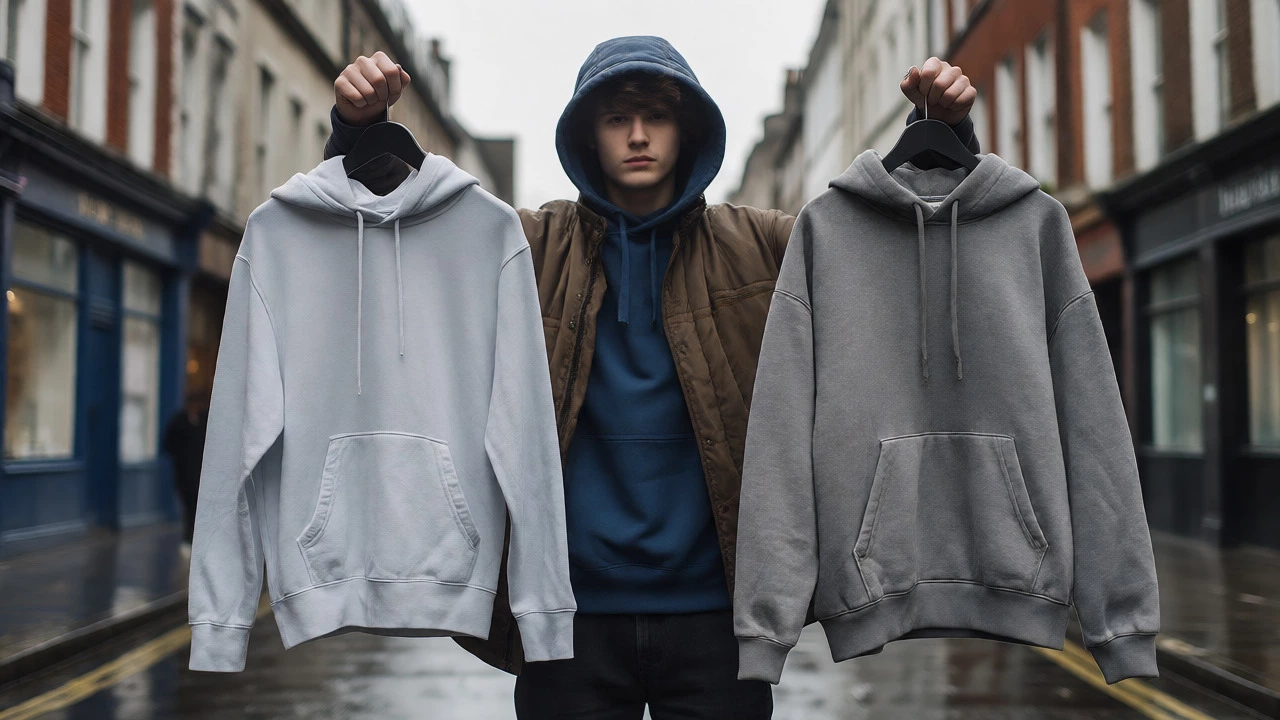
Hoodie Value Calculator for Ireland
Select your options and click calculate to see if you are getting a good deal.
You’re standing in Grafton Street or scrolling through an Irish online store, staring at a hoodie that costs €85. Is it worth it? Or are you just paying for the logo on the chest? In Ireland’s clothing market, pricing can feel like a guessing game. You see a basic cotton pullover at Primark for €15 and a similar-looking one from a Dublin-based brand for €90. What gives?
The truth is, there is no single "fair" price. Fairness depends on what you actually need the hoodie to do. Are you wearing it to survive a Galway windstorm, or just to look cozy while working from home in Cork? This guide breaks down exactly what you should pay in 2026, why prices vary so wildly across the island, and how to spot a rip-off before your card hits the terminal.
Breaking Down the Price Tiers
To understand value, you have to segment the market. Most hoodies sold in Ireland fall into three distinct buckets. Knowing which bucket you are shopping in prevents you from overpaying for basics or underpaying for quality.
| Tier | Price Range (EUR) | Typical Brands/Retailers | Best For |
|---|---|---|---|
| Budget | €10 - €25 | Primark, Dunnes Stores own-brand, Aldi/Lidl seasonal | Occasional wear, lounging, high-turnover use |
| Mid-Range | €35 - €65 | H&M Premium, Next, Uniqlo, ASOS Design, local Irish startups | Daily wear, office casual, moderate durability |
| Premium/Sustainable | €70 - €120+ | Patagonia, Arc’teryx, Irish eco-brands (e.g., Nui, The North Face), luxury fashion | Outdoor activities, longevity, ethical sourcing |
If you spend more than €65 on a mid-range hoodie without technical features, you might be overpaying. Conversely, if you expect a €15 hoodie to last five years of daily commuting on the Luas or DART, you’ll end up buying six of them. That’s not saving money; that’s recycling waste.
Why Do Prices Vary So Much in Ireland?
Ireland isn’t a manufacturing hub for mass-market textiles anymore. We import almost everything. This means the price tag includes shipping, customs duties (post-Brexit adjustments still affect some supply chains), VAT (which is 23% in Ireland), and retailer margins. When you buy a hoodie made in Portugal or Turkey, the base cost might be €8-€12. By the time it reaches a shop in Dublin or Belfast, it’s marked up by 300-500%.
But here’s where it gets interesting: local Irish brands often charge more because they handle design, small-batch production, and marketing themselves. They don’t have the economies of scale that global giants like Nike or Adidas enjoy. If you buy from a brand based in Galway or Kilkenny, you’re partly paying for the support of local jobs and smaller, higher-quality runs. Is that "fair"? Only if you value sustainability and local economic impact.
The Material Matters More Than the Brand
Forget the logo. Look at the care label. The fabric composition dictates whether a hoodie is worth €20 or €80.
- 100% Polyester: Cheap, durable, but traps sweat. Great for gym sessions, terrible for damp Irish weather if you’re prone to overheating. Expect to pay €15-€30.
- Cotton-Poly Blend (50/50): The workhorse. Breathable enough for mild days, tough enough for laundry abuse. This is the sweet spot for most people. Fair price: €30-€50.
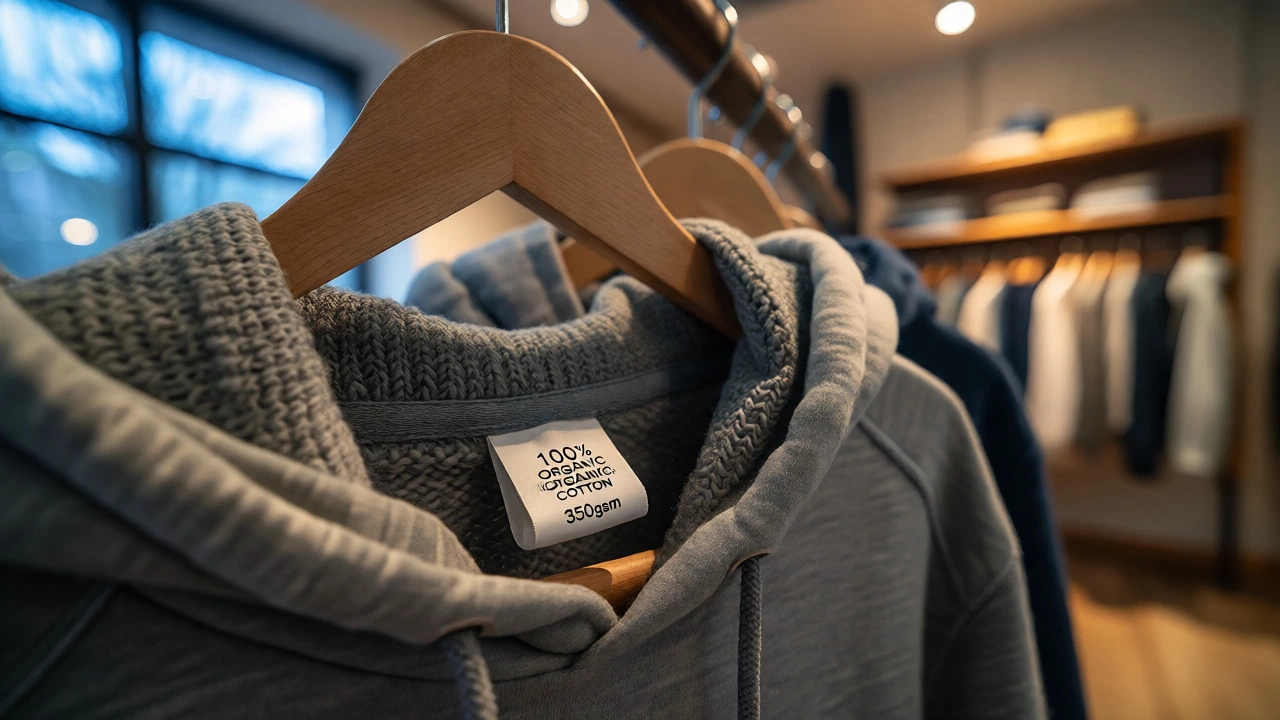
- Heavyweight Cotton (300gsm+): Thick, structured, warm. Essential for surviving winter without a coat. If it’s organic cotton, add a premium. Fair price: €45-€75.
- Merino Wool Blends: Temperature-regulating, odor-resistant, expensive. Ideal for hiking in Wicklow Mountains or long travel days. Fair price: €80-€140.
A common trap in Irish retail is the "fake heavyweight." Some budget brands use thin cotton with a rough texture to mimic thickness. Check the GSM (grams per square meter) if listed. Anything under 250gsm will feel flimsy after two washes.
Irish Weather and Practical Value
Let’s be real: our weather is unpredictable. One minute it’s sunny in Killarney, the next it’s sideways rain. A fair-priced hoodie must perform in these conditions. Does it have a lined hood? Can it block wind? Many cheap hoodies have unlined hoods that flap uselessly in a breeze. Paying an extra €10 for a double-lined hood is often better value than replacing a cheap one every season.
Consider water resistance. Standard cotton absorbs rain and stays wet for hours. Synthetic blends dry faster. If you walk to work in Cork or cycle in Dublin, prioritize quick-dry fabrics over pure comfort. A €50 hoodie that keeps you dry is worth more than a €70 one that leaves you shivering.
Ethics and Sustainability: The Hidden Cost
In 2026, Irish consumers are increasingly aware of where their clothes come from. The EU’s push for circular economy standards has influenced labeling. Look for certifications like OEKO-TEX or GOTS (Global Organic Textile Standard). These add cost but ensure fewer chemicals and better labor practices.
Some Irish brands now offer repair services or take-back schemes. If a brand charges €80 but offers free repairs for two years, that’s arguably cheaper than a €40 hoodie that falls apart and needs replacing. Factor in the total cost of ownership. Buying second-hand is also huge here-platforms like Depop and local charity shops in cities like Limerick and Waterford are treasure troves for branded hoodies at half the retail price.

How to Spot a Bad Deal
Not all high prices mean high quality. Here are red flags to watch out for when shopping in Irish stores or online:
- Excessive Logos: Huge branding often compensates for poor fit or fabric. You’re paying for advertising space.
- Weak Stitching: Check the seams. Double-stitched seams last longer. Single-thread stitching unravels quickly.
- Thin Drawstrings: Cheap plastic tips break easily. Metal aglets are a sign of better attention to detail.
- Vague Origin Labels: "Made in China" is fine, but if the brand doesn’t specify material origin or factory standards, ask questions. Transparency usually correlates with fairness.
Conversely, don’t assume "Made in Ireland" means perfect. Small batches can have inconsistencies. Always try it on. Fit is king. A perfectly priced hoodie that doesn’t sit right on your shoulders is worthless.
FAQs About Hoodie Pricing in Ireland
Is it worth buying expensive hoodies in Ireland?
It depends on usage. If you wear a hoodie daily for outdoor activities, yes. High-quality materials like heavy-weight cotton or merino blends last longer and perform better in damp, windy conditions. For occasional indoor use, mid-range options offer better value.
What is the average price of a hoodie in Dublin?
The average price varies by retailer. Budget retailers like Primark sell hoodies for €15-€20. Mid-range high street stores typically charge €35-€60. Premium or sustainable Irish brands often range from €70 to €120. Sales events like Black Friday can reduce these prices by 30-50%.
Are Irish-made hoodies more expensive?
Generally, yes. Local production involves higher labor costs and smaller batch sizes compared to mass-produced imports. However, many consumers find the ethical benefits and superior quality justify the 20-40% price premium.
How do I know if a hoodie is good quality?
Check the GSM (fabric weight); aim for 300gsm+ for durability. Look for double-stitched seams, reinforced pockets, and high-quality drawstring aglets. Feel the fabric; it should be dense, not sheer. Read reviews focusing on shrinkage and pilling after washing.
Can I find good deals on hoodies in Ireland?
Yes. End-of-season sales in January and July offer significant discounts. Outlet villages like Kildare Village provide branded goods at reduced prices. Second-hand platforms and charity shops are excellent sources for gently used premium hoodies at a fraction of the cost.