Irish Sportswear & Footwear Classifier
Not sure if you need specialized gear? Use this classifier to understand how retailers categorize your items and what features matter most for the Irish climate and terrain.
Select an activity and terrain above, then click "Analyze Gear Needs" to see recommendations.
Quick Reference: Clothing vs. Footwear
| Feature | Sportswear (Clothing) | Athletic Footwear |
|---|---|---|
| Primary Function | Thermal regulation, moisture wicking | Traction, impact absorption, stability |
| Lifespan | 1–3 years (wash cycles) | 300–500 miles (6–12 months) |
| Fitting Criteria | Chest/Waist/Hip measurements | Length, width, arch type, heel drop |
| Budget Allocation | ~40% of active budget | ~60% of active budget |
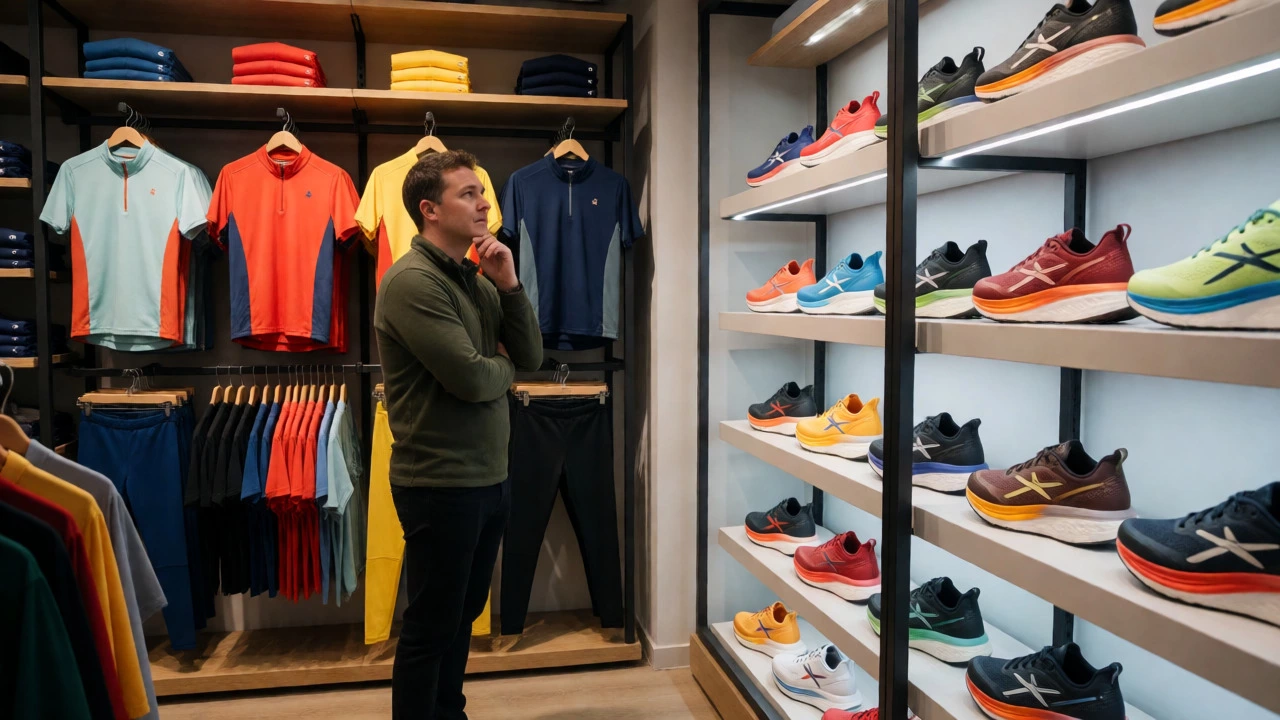
If you have ever stood in the changing rooms of a GAA club or walked into a Sports Direct on O'Connell Street, you might have wondered about the strict boundaries of your kit. You buy the jersey, the shorts, and maybe some socks. But does that bundle count as complete sportswear? Or is the pair of runners on your feet a separate category entirely?
The short answer is yes, but with a massive asterisk. In the retail world, "sportswear" is often used as a catch-all term for anything you wear while exercising. However, if you dig into how brands like Nike, Adidas, and local Irish retailers structure their inventory, shoes are usually treated as a distinct, high-value category called "Footwear." Understanding this distinction saves you money, confusion, and the embarrassment of showing up to a gym session without the right grip.
The Technical Definition vs. Everyday Usage
Technically, sportswear refers to clothing designed for physical activity. This includes jerseys, leggings, tracksuits, and technical fabrics that wick away sweat. It is apparel. Athletic footwear, on the other hand, is equipment. Think of it this way: your shirt doesn't have arch support, and your shoes don't have moisture-wicking properties in the same way. They serve different mechanical functions.
In Ireland, we tend to use the terms loosely. If you tell a friend you're buying "new sportswear," they won't ask if you mean the hoodie or the trainers. But if you go to a specialist shop in Dublin or Cork asking for "sportswear," the staff might direct you to the clothing racks first. If you need shoes, you'll likely be pointed toward a different section or even a different store. Why? Because shoe sizing involves complex engineering-drop, stack height, pronation control-that has nothing to do with fabric blends.
Why Retailers Separate Clothes from Shoes
You might wonder why stores don't just lump them together. It comes down to margins and logistics. Clothing has a higher return rate due to fit issues (too tight, too loose), whereas shoes are returned less frequently once broken in, but they cost significantly more to stock. A pair of running shoes from Brooks or Hoka can cost €140-€180. A matching t-shirt might cost €35. Mixing them in one inventory bucket complicates pricing strategies.
Furthermore, the lifecycle differs. Your GAA boots wear out based on stud length and ground conditions-muddy pitches in winter versus dry summer fields. Your jersey wears out based on wash cycles and friction. By separating them, retailers can offer specific advice. When you buy shoes, you get a gait analysis. When you buy clothes, you get a size chart. These are two different customer service interactions.
The Irish Context: Weather and Terrain
Living in Ireland changes how we view this separation. Our weather is unpredictable. One minute it's raining sideways in Galway, the next it's sunny in Kerry. This impacts what counts as "essential" sportswear. In many countries, shoes are an accessory to the outfit. Here, they are critical safety gear.
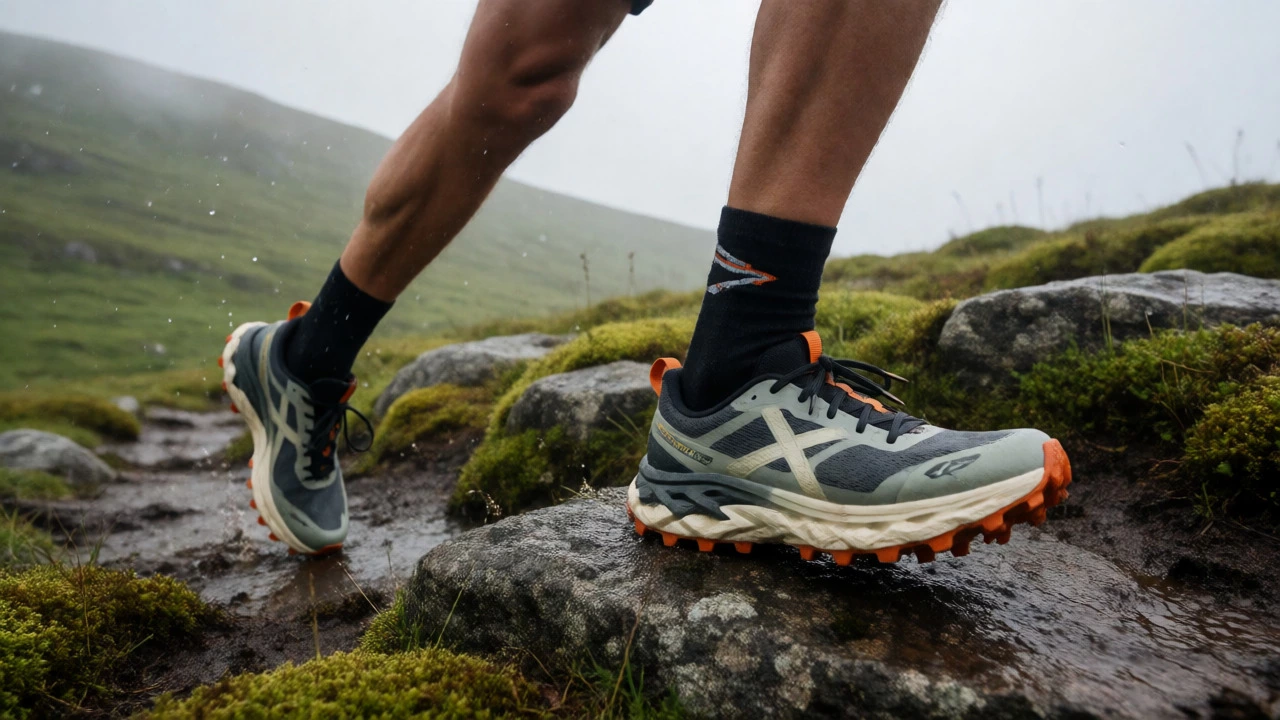
Consider trail running. If you're heading up the Wicklow Mountains, your clothing choice matters, but your shoe choice determines whether you slip on wet granite or stay upright. Irish terrain is often boggy, rocky, and uneven. Standard fashion sneakers-even those branded as "athletic"-often lack the lugs needed for traction here. Therefore, in the Irish market, there is a stronger cultural emphasis on specialized footwear being part of the "active lifestyle" package, even if retail categories keep them apart.
Also, think about our sports culture. Hurling and Gaelic football require specific boots with metal studs. You wouldn't wear these to play tennis at a leisure centre in Limerick. The specificity of Irish sports reinforces the idea that shoes are not just "part of the kit" but specialized tools tailored to the game and the ground.
When Shoes Are Included in "Kit" Deals
There are exceptions where the line blurs. Many schools in Ireland issue "PE kits" that strictly define what students must wear. Often, this includes a white t-shirt, black shorts, and *specifically* non-marking indoor shoes. In this context, the shoes are mandated as part of the uniform requirement, effectively bundling them into the concept of school sportswear.
Similarly, subscription boxes or corporate wellness programs sometimes bundle items. A company might give employees a voucher for "new sportswear," which could technically cover either clothing or shoes depending on the retailer's policy. However, most large chains like Decathlon will have separate clearance sections for end-of-season shoes versus clothing, indicating they manage them as distinct inventory types.
How to Shop Smart for Both
If you are building a home gym setup or preparing for the Dublin Marathon, here is how to approach the split between clothes and shoes:
- Prioritize Fit for Shoes: Never buy shoes online without trying them on if possible. Irish feet vary, and width options are crucial. Spend time getting fitted. Clothing can be adjusted; shoes cannot easily be stretched to change structural support.
- Check Fabric Technology for Clothes: Since Ireland is humid, look for synthetic blends with high breathability. Cotton kills performance here. It holds water against your skin when it rains, making you cold quickly.
- Budget Separately: Allocate roughly 60% of your active budget to footwear and 40% to clothing. Good shoes protect your joints on hard pavements found in cities like Dublin or Belfast. Cheap clothes are fine if they are functional; cheap shoes lead to injuries.
Common Misconceptions About Active Wear
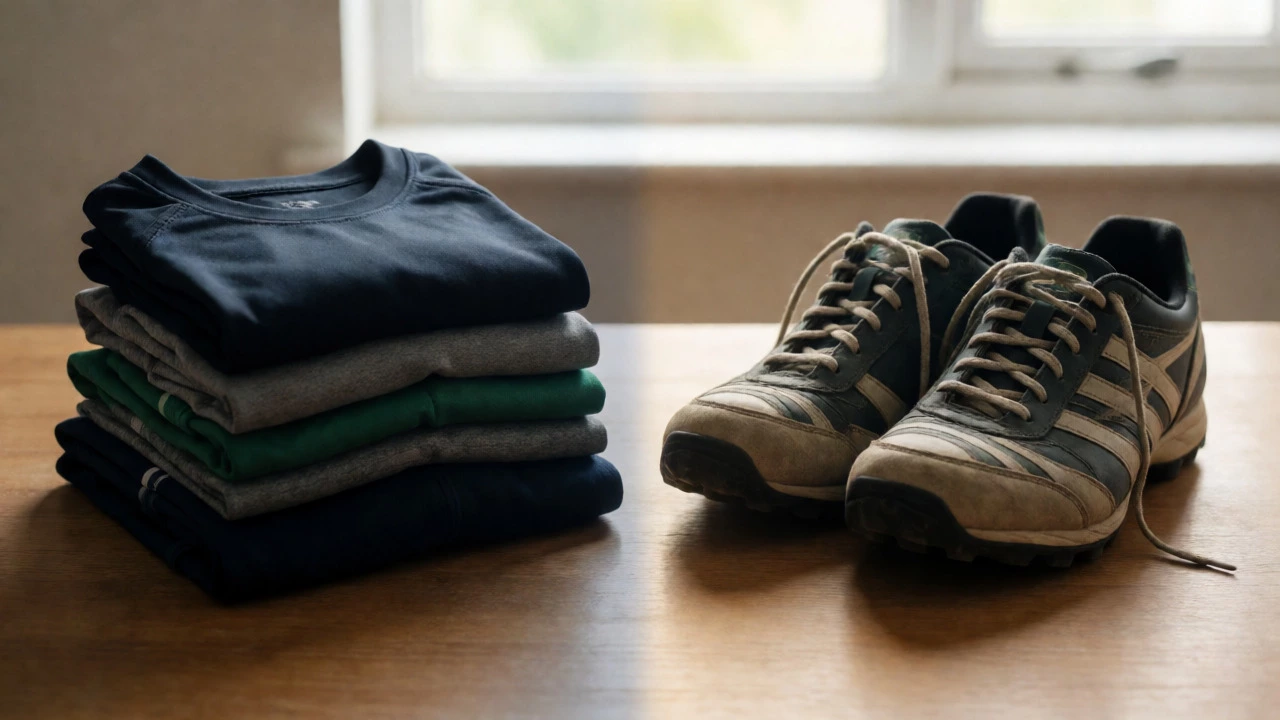
A big myth is that "athleisure" equals sportswear. Athleisure is fashion-inspired comfort wear-yoga pants worn to a café in Ranelagh, or joggers worn to the pub. While comfortable, they often lack the compression or moisture management needed for intense exercise. True sportswear is functional. Similarly, people assume all sneakers are sports shoes. Fashion sneakers often have flat soles with no shock absorption. Running in fashion sneakers on concrete sidewalks can cause shin splints within weeks.
Another misconception is that expensive brands always mean better inclusion of features. Sometimes, a generic brand from a local Irish supplier offers better value for basic needs like gym shorts. The premium price tag on shoes often reflects R&D in cushioning tech, which isn't always necessary for low-impact activities like walking or light yoga.
Conclusion: It’s All Part of the Ecosystem
So, does sportswear include shoes? Linguistically and culturally, yes-we say we're buying sportswear when we grab both. Technically and commercially, no-they are separate categories with different manufacturing processes, lifecycles, and purchasing criteria. For the Irish consumer, understanding this helps you shop smarter. Don't expect a clothing sale to apply to footwear. Don't assume your fashion trainers will survive a hike in Connemara. Treat your shoes as essential equipment and your clothes as functional protection. Together, they form your complete active wardrobe.
| Feature | Sportswear (Clothing) | Athletic Footwear |
|---|---|---|
| Primary Function | Thermal regulation, moisture wicking, freedom of movement | Traction, impact absorption, stability, injury prevention |
| Lifespan | 1-3 years depending on wash frequency | 300-500 miles or 6-12 months of regular use |
| Fitting Criteria | Chest/Waist/Hip measurements, length | Length, width, arch type, heel drop |
| Irish Market Example | GAA Jersey, Gym Leggings | Hurling Boots, Trail Runners |
Can I wear running shoes for gym workouts?
Generally, yes, but with caution. Running shoes are designed for forward motion and have soft heels. For weightlifting or HIIT classes, this instability can be dangerous. Cross-trainers or flat-soled shoes are better for gym floors. If you only run, stick to running shoes. If you mix cardio and weights, consider cross-training shoes.
Do Irish retailers offer discounts on bundles of clothes and shoes?
Rarely. Most major Irish retailers like Shoezone or Trespass keep promotions separate. You might find a "Buy 2 Get 1 Free" on clothing, but shoes are usually excluded due to lower margins. Always check the fine print on seasonal sales events like Black Friday.
What is the best material for sportswear in Irish rain?
Synthetic materials like polyester and nylon are best because they dry quickly. Avoid cotton entirely. For outer layers, look for windproof jackets with DWR (Durable Water Repellent) coatings. Brands like Regatta or Columbia are popular in Ireland for this reason.
Are trainers considered sportswear?
In casual conversation, yes. In retail categorization, trainers are footwear. However, "sneakers" or "trainers" are often marketed under the broader "Active Lifestyle" umbrella, which includes both apparel and footwear. Just remember that not all trainers are suitable for actual sports.
How often should I replace my sports shoes in Ireland?
Due to the damp climate, foam midsoles can degrade faster than in drier climates. Check for loss of bounce or visible creasing. Typically, every 6-9 months for regular users. If you run outdoors frequently on wet pavement, inspect them monthly for sole separation.