Irish School Uniform Cost Estimator
Family Configuration
Estimated Annual Cost
Cost Breakdown (Per Child):
Key Insight
Switching to a flexible policy can save families significant amounts annually, reducing financial stress that can indirectly impact student behavior and well-being.
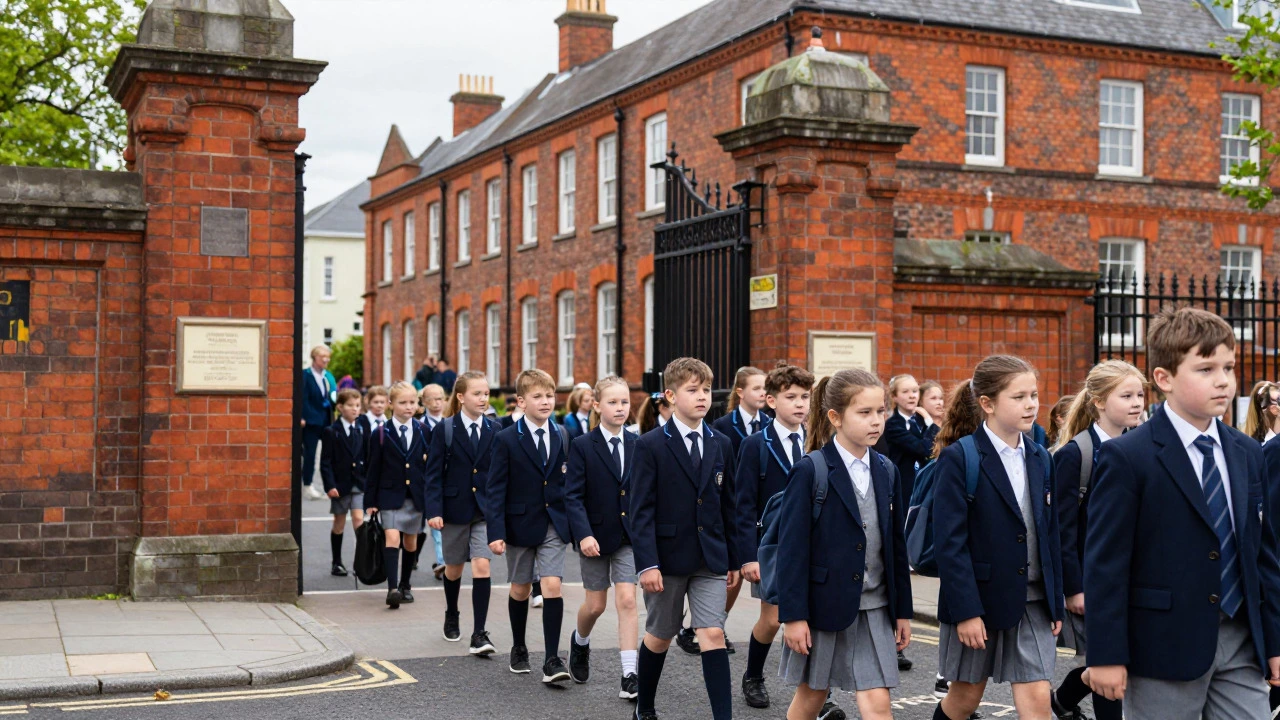
Walking past a primary school gate in Dublin or Cork during drop-off time offers a striking visual: rows of children dressed in identical navy blazers, grey trousers, and crisp white shirts. It is a scene that defines the Irish educational landscape for millions of families. But beyond the aesthetic uniformity, a persistent debate rages in parent groups across the country, from the leafy suburbs of Rathmines to the bustling estates of Tallaght. Do school uniforms actually improve behavior? Or are they just an expensive fashion mandate that adds stress to morning routines without changing how students act in the classroom?
The Theory Behind the Blazer
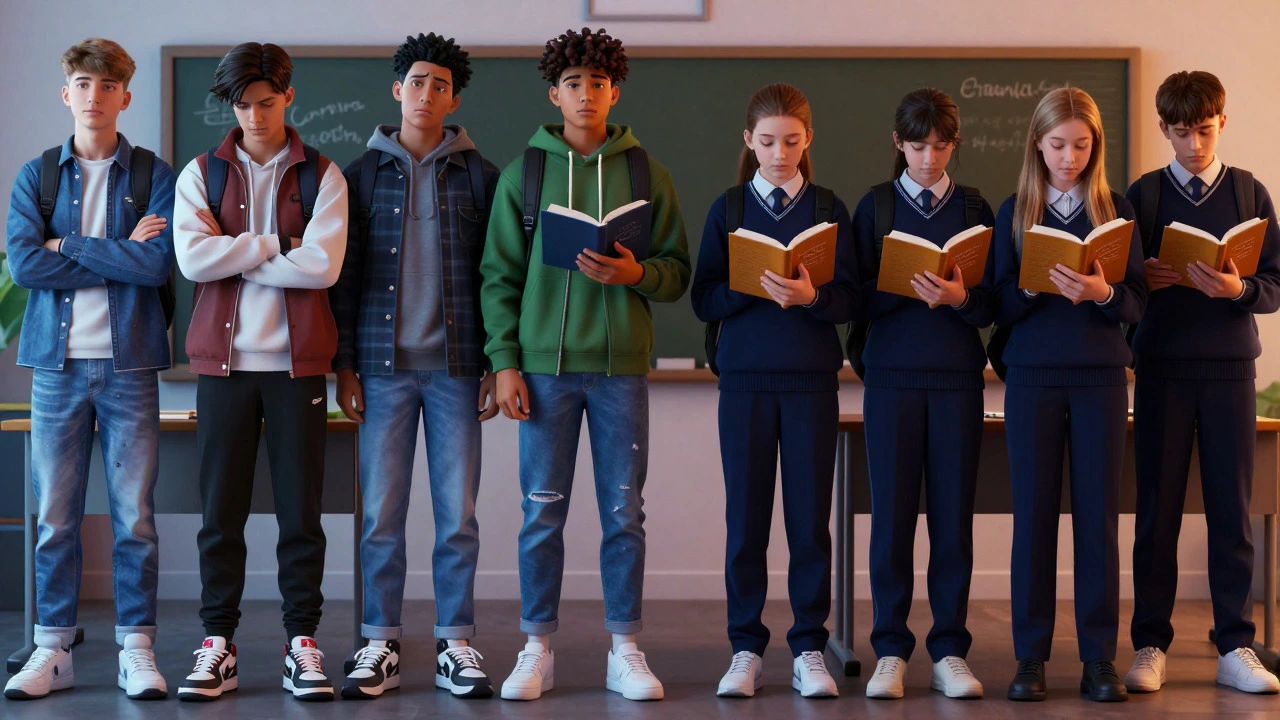
The argument for mandatory dress codes is not new. Proponents, including many principals and boards of management in both state and fee-paying schools, argue that uniforms create a sense of belonging. When every student looks the same, the visible markers of wealth-designer sneakers versus hand-me-down trainers-disappear. In theory, this reduces bullying related to clothing brands and minimizes peer pressure to keep up with fast-fashion trends.
In Ireland, where the gap between socioeconomic backgrounds can be stark even within a single class, this leveling effect is significant. A child from a low-income household in the inner city doesn’t have to worry about whether their jeans are 'on brand.' This psychological comfort can lead to better focus on learning rather than social status. However, does this directly translate to improved behavioral outcomes, such as fewer disruptions in class or reduced vandalism?
Do uniforms stop bullying in Irish schools?
Uniforms reduce one specific type of bullying: appearance-based teasing regarding clothing brands. However, they do not eliminate bullying rooted in personality, academic performance, or social dynamics. Studies suggest that while uniform policies may lower superficial conflicts, comprehensive anti-bullying strategies are required to address deeper behavioral issues.
The Reality of Classroom Conduct
If we look at the data, the connection between wearing a uniform and behaving well is surprisingly weak. Behavioral issues in schools are complex. They stem from home life, mental health challenges, learning difficulties, and social pressures that a polo shirt cannot fix. A student who struggles with attention deficit hyperactivity disorder (ADHD) or anxiety will likely struggle regardless of whether they are wearing a tailored suit or casual wear.
In many Irish secondary schools, you will find that the most disruptive students are often those who feel disconnected from the school community, not necessarily those who dislike their clothes. Conversely, many schools with relaxed dress codes report excellent disciplinary records because they foster a culture of mutual respect and autonomy. The key factor in behavior is usually the quality of teacher-student relationships and clear, consistent boundaries, not the fabric of the uniform.
The Financial Burden on Irish Families
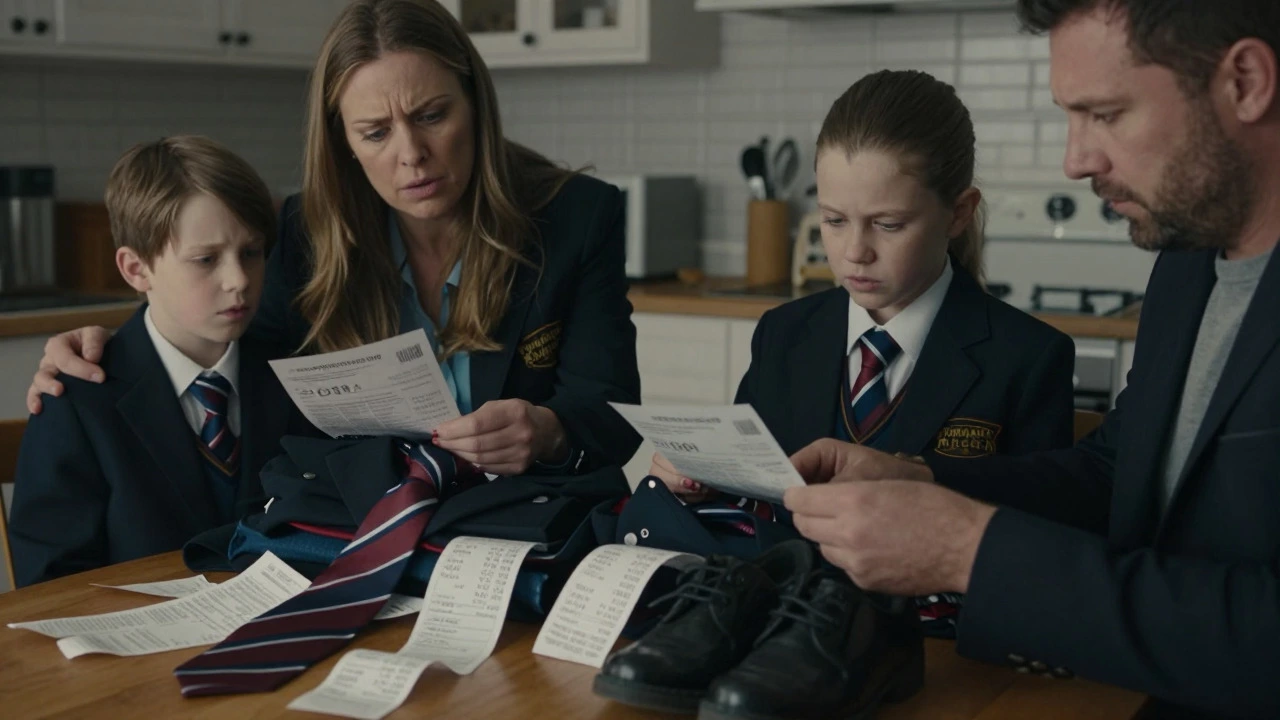
One of the biggest criticisms of the uniform system in Ireland is the cost. For a family with three children, buying branded uniforms from suppliers like Gorman’s, J.J. Kelly, or local outfitters can run into hundreds of euros annually. Add in the requirement for specific shoes, ties, and seasonal outerwear, and the financial strain becomes real. This stress can indirectly affect behavior. Parents who are financially stretched may be less patient in the morning rush, leading to tension that follows the child into the school gates.
Furthermore, when uniforms are too expensive, some families resort to second-hand markets or online resales. While this helps, it can still create stigma if a child’s uniform is visibly worn or ill-fitting. Instead of improving behavior by creating equality, the high cost can exacerbate feelings of inadequacy among students from lower-income homes.
Cultural Context: Tradition vs. Modernity
Ireland has a strong tradition of formal dress in education, influenced by its historical religious schooling system. Many schools still maintain strict codes that include ties, blazers, and specific hairstyles. This tradition is deeply ingrained in the national identity. Changing it requires more than just a policy shift; it requires a cultural shift.
However, younger generations of parents and educators are questioning these norms. There is a growing movement towards more practical, comfortable clothing that allows for physical activity and expression. Some schools in urban areas like Galway and Limerick have experimented with 'uniform-lite' policies, allowing students to wear plain black trousers and white t-shirts instead of branded items. Early feedback suggests that this approach maintains a sense of order while reducing costs and increasing student comfort, which can positively impact engagement and behavior.
| Feature | Traditional Uniform Policy | Flexible / Uniform-Lite Policy |
|---|---|---|
| Cost to Family | High (branded items, multiple sets) | Low (plain, unbranded clothing) |
| Behavioral Impact | Minimal direct impact on discipline | Neutral to positive (reduced stress) |
| Social Equality | Reduces brand-based bullying | Reduces cost-based stigma |
| Student Comfort | Often low (stiff fabrics, restrictive cuts) | High (casual, breathable materials) |
| Implementation Difficulty | Easy to enforce visually | Requires clear guidelines to avoid confusion |
The Role of School Culture
Ultimately, the environment created by the school staff matters far more than the clothes worn by the students. A school with a supportive, inclusive culture where teachers actively engage with students will see better behavior, regardless of the dress code. In contrast, a rigid, authoritarian environment with strict uniform rules may suppress outward misbehavior but fail to address underlying issues, potentially leading to resentment and rebellion later on.
In Ireland, schools are increasingly adopting restorative justice practices and social-emotional learning programs. These approaches focus on understanding the root causes of behavior rather than punishing surface-level actions. When combined with sensible uniform policies, these methods create a holistic approach to student well-being and conduct.
Practical Advice for Parents
If you are navigating the uniform debate as a parent in Ireland, here are some practical steps:
- Check for Second-Hand Options: Many communities have Facebook groups or charity shops that sell gently used uniforms. This can significantly cut costs.
- Advocate for Change: If your school’s uniform policy is overly restrictive or expensive, join forces with other parents to propose a review. Boards of management are often open to suggestions that reduce financial burden.
- Focus on Fit and Comfort: Ensure your child’s uniform fits well. Ill-fitting clothes can cause distraction and discomfort, which can negatively impact concentration and mood.
- Communicate with Teachers: If your child is struggling with behavior, talk to their teacher. Ask if the uniform is a factor, but also explore other potential causes such as social dynamics or learning needs.
Conclusion: Beyond the Fabric
So, do uniforms improve behavior? The evidence suggests they play a minor role at best. They may help create a sense of identity and reduce some forms of peer pressure, but they are not a magic bullet for discipline. True improvement in student behavior comes from strong relationships, supportive environments, and effective teaching strategies.
As Irish schools continue to evolve, it is worth re-evaluating long-standing traditions. Perhaps the future lies in flexible policies that prioritize comfort, affordability, and inclusivity over rigid conformity. After all, a happy, comfortable student is more likely to engage positively with their education than one who is stressed about their outfit.
Are school uniforms mandatory in all Irish schools?
Most primary and secondary schools in Ireland have a mandatory uniform policy, but the specifics vary widely. Some schools require full branded uniforms, while others allow plain clothing. Parents should check their specific school’s handbook for details.
How much do school uniforms cost in Ireland?
Costs vary depending on the school and supplier. On average, a full set of branded uniforms can cost between €150 and €300 per child. Additional items like shoes and outerwear can add another €50-€100.
Can I buy second-hand uniforms in Ireland?
Yes, many communities have active second-hand markets for school uniforms. Local charity shops, Facebook groups, and dedicated resale websites are great resources for finding affordable options.
Do uniforms affect academic performance?
Research shows little to no direct link between uniforms and academic achievement. Factors like teaching quality, home support, and individual student motivation play a much larger role in grades and learning outcomes.
What is the trend in Irish schools regarding uniforms?
There is a growing trend towards more flexible, cost-effective uniform policies. Many schools are moving away from expensive branded items towards simpler, plain clothing requirements to reduce financial stress on families.