Leather Shoe Longevity Calculator
Configure Your Shoe Profile
Estimated Lifespan
Configure your profile
to see results
Positive Factors
Areas for Improvement
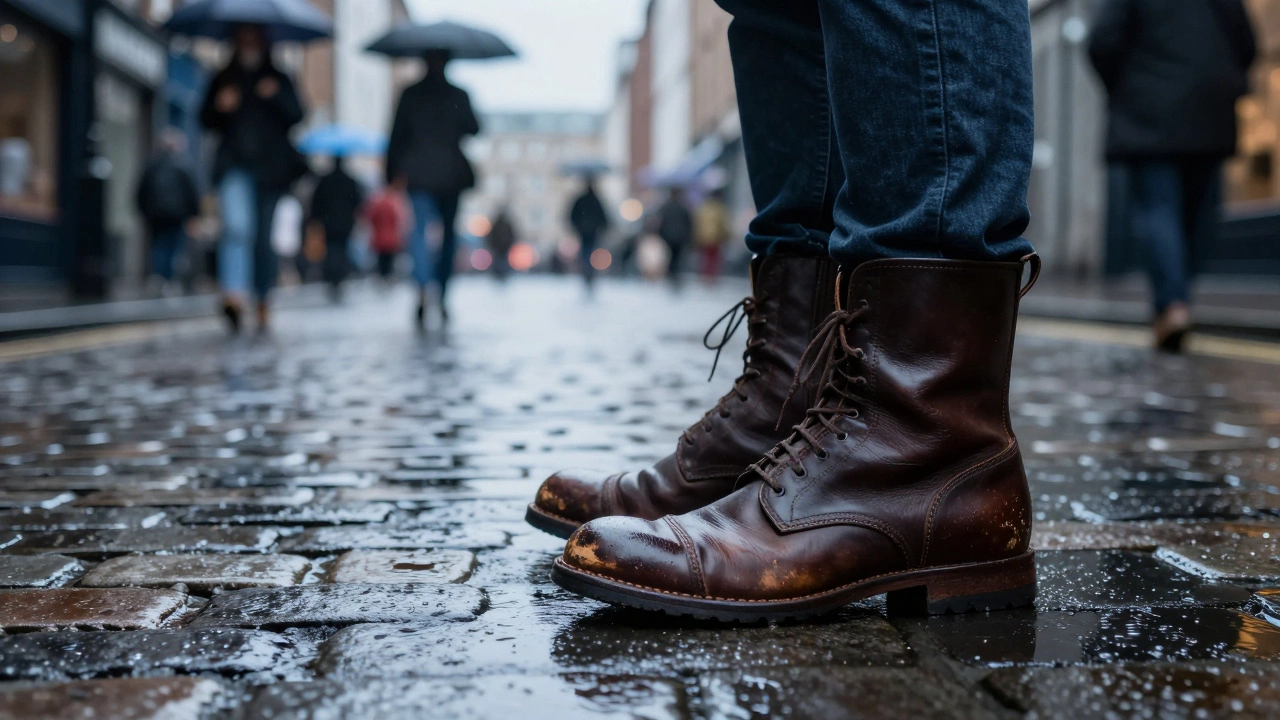
Walking down Grafton Street on a damp Tuesday afternoon, you might notice something interesting about the locals. While tourists rush for umbrellas, many Dubliners are wearing sturdy, dark leather boots that look better than the day they bought them. They have developed a rich, deep character-a sheen that screams quality rather than neglect. This brings us to a question that plagues every fashion-conscious person in Ireland: do leather shoes actually age well, or do they just fall apart?
The short answer is yes, but with a massive asterisk. It depends entirely on what kind of leather you own and how you treat it against our notoriously wet climate. In Ireland, where rain seems to be a permanent fixture from November through March, your footwear faces a unique stress test. If you buy cheap bonded leather, it will peel and crack within two years. But if you invest in full-grain or calfskin, those shoes can become part of your family history, developing a personal map of every puddle dodged and cobblestone climbed.
Understanding the Leather Hierarchy
To understand why some shoes get ugly while others get beautiful, we need to talk about the hide itself. Not all leather is created equal. When you walk into a department store like Brown Thomas or browse online, you’ll see terms like 'genuine leather' slapped everywhere. That’s often a marketing trap. Genuine leather usually refers to split leather-the lower layers of the hide that have been sanded and stamped. It lacks the natural grain structure needed to develop a patina. Instead, it wears out.
What you want is full-grain leather. This is the top layer of the hide, untouched by sanding or buffing. It retains the natural pores and imperfections of the animal skin. Because these pores are open, the leather breathes. More importantly, when you apply wax polishes or simply wear the shoe, the oils penetrate the fibers, darkening them slightly over time. This chemical reaction creates patina. Think of it like a cast-iron skillet; the more you use it and season it, the better it gets. Brands like Clarks, which has roots in Somerset but is ubiquitous here, or local Irish cobbler-made options, often use higher-grade leathers that reward this aging process.
What is the difference between full-grain and genuine leather?
Full-grain leather is the highest quality, retaining the natural grain and pores of the hide, allowing it to breathe and develop patina. Genuine leather is a broader term often used for lower-quality split leather that has been processed and cannot age gracefully.
The Irish Weather Factor: Rain vs. Patina
Living in Ireland means dealing with humidity levels that would make a desert dweller sweat. Water is the enemy of untreated leather, but it’s also the catalyst for character-if managed correctly. When water hits full-grain leather, it darkens the spot temporarily. As it dries, the color usually returns, but repeated exposure leads to permanent darkening in high-friction areas. This is part of the aging process.
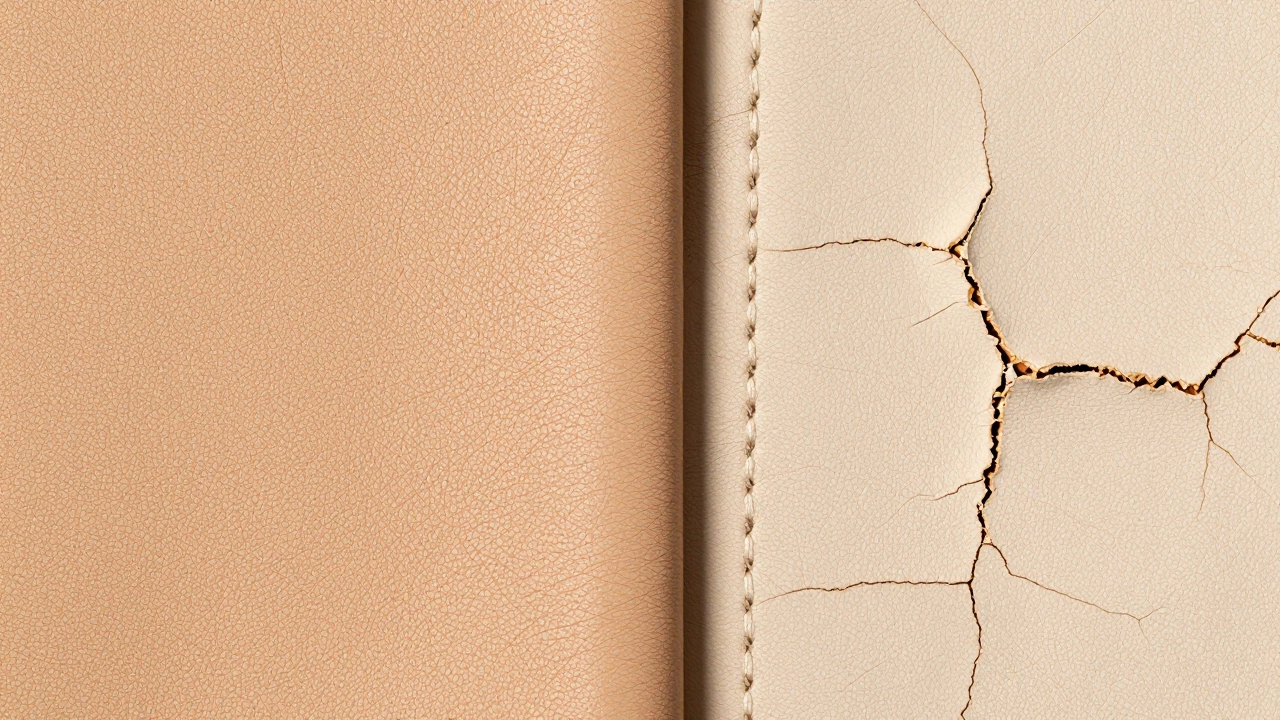
However, there’s a fine line between ‘aged’ and ‘ruined’. Salt stains from winter road grit are a major issue here. If you walk along the quays after a salty drizzle and don’t clean your shoes, the salt crystals will draw moisture out of the leather as they evaporate, causing dry rot and cracking. This isn’t aging; this is damage. To prevent this, you must treat your shoes with a waterproofing agent specifically designed for leather, not just any spray. Brands like Saphir, available at specialized shoe shops in Dublin, offer creams that repel water without sealing the pores completely, allowing the leather to continue breathing.
Consider the classic brogue. With its perforations, it looks elegant, but those holes are traps for mud and water. In rural parts of Ireland, where gravel roads and farm tracks are common, brogues require more diligent cleaning than smooth-calf Oxford shoes. The key is consistency. A quick wipe-down after every wet walk prevents the buildup of grime that leads to irreversible staining.
Developing Your Own Patina
Patina isn’t just about looking old; it’s about looking lived-in. It’s the result of three things: oxidation, polishing, and wear. Oxidation happens naturally as the tannins in the leather react with air. Polishing adds layers of wax that build up a protective shell and deepen the color. Wear creates creases-specifically across the vamp (the front part of the shoe) where your foot bends.
In Ireland, we have a tradition of craftsmanship that extends to footwear. Many people still take their shoes to local cobblers for resoling. When you replace the sole of a high-quality leather shoe, you’re extending its life by decades. The upper part of the shoe, made of leather, often outlasts the rubber or leather sole. This cycle of repair and maintenance contributes to the shoe’s story. A pair of Allen Edmonds or Church’s shoes, for instance, might go through three different soles in ten years, each time looking richer and more distinguished.
You can actively encourage patina by using colored waxes sparingly. If you have black shoes, a small amount of brown wax applied to the edges can create subtle highlights as they wear off. This technique, known as edge dressing, is common among shoemakers. It gives the impression that the shoe has been worn for years, even if it’s relatively new. However, restraint is key. Too much wax makes the shoe look plastic and stiff, killing the natural suppleness of the leather.
| Leather Type | Aging Quality | Maintenance Level | Best For |
|---|---|---|---|
| Full-Grain | Excellent | Medium | Daily wear, formal occasions |
| Top-Grain | Good | Low | Casual wear, lighter colors |
| Suede | Poor (wears thin) | High | Dry weather, indoor events |
| Bonded/Genuine | None (degrades) | None | Budget fashion, short-term use |
Common Mistakes That Ruin Shoes
Even the best leather can be ruined by bad habits. One of the biggest mistakes people make in Ireland is letting their shoes dry near a radiator. After a rainy commute, it’s tempting to place your wet boots next to the heat source in your hallway or office. Heat causes leather to shrink and crack. Always let shoes air-dry at room temperature, stuffed with newspaper to absorb moisture and maintain shape.
Another error is skipping the conditioner. Leather loses its natural oils over time, especially in dry indoor heating environments common during Irish winters. Using a leather conditioner every few months replenishes these oils, keeping the material supple. Without it, the leather becomes brittle and cracks along the crease lines. You can find quality conditioners at stores like Boots or dedicated shoe care shops in cities like Cork and Galway.
Also, avoid wearing the same pair of shoes two days in a row. Leather needs time to recover its shape and dry out completely. Rotating between two or three pairs ensures that each pair gets a rest, significantly extending their lifespan. This habit alone can double the life of your favorite dress shoes.
Local Care and Repair Culture
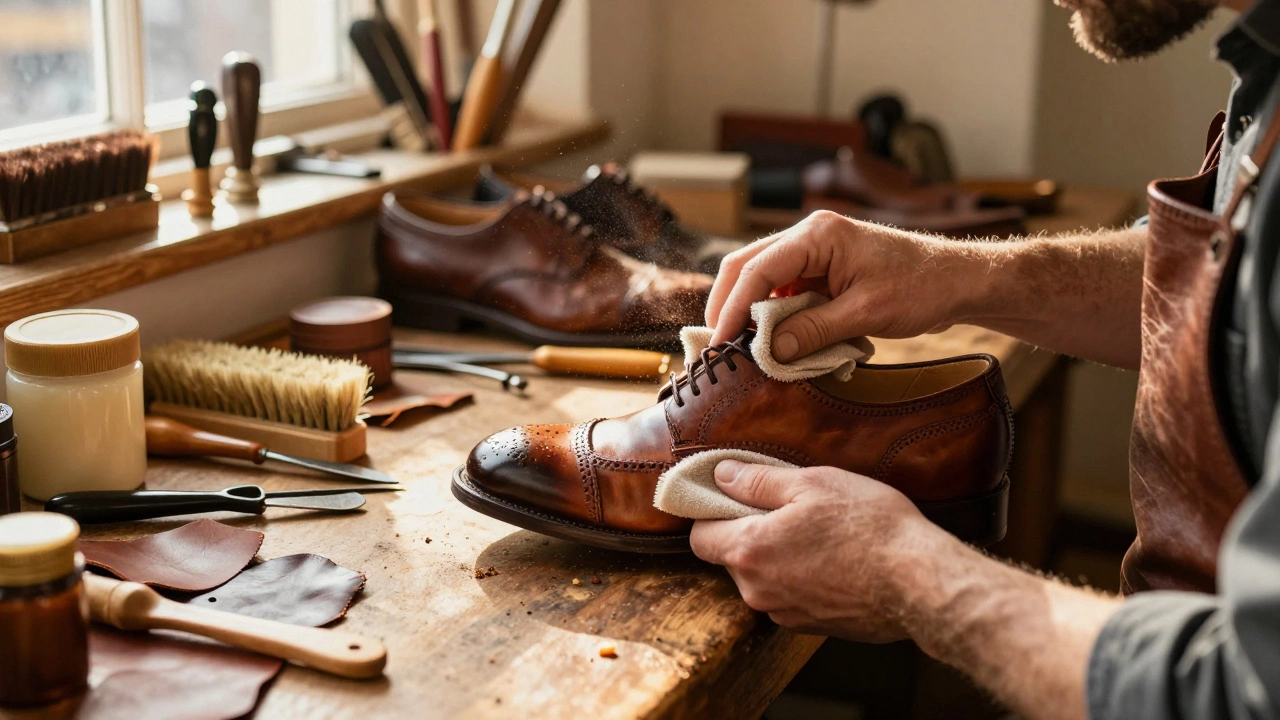
Ireland has a strong network of independent cobblers who keep traditional skills alive. Unlike fast-fashion trends, these artisans understand the value of repairing rather than replacing. Shops in areas like Temple Bar or the Liberties in Dublin often offer services like heel replacement, sole stitching, and minor scratch repair. These services are affordable compared to buying new high-end shoes and contribute to the sustainable aging of your footwear.
Supporting local cobblers also means getting personalized advice. They can tell you exactly what products work best for your specific type of leather and the conditions you face. Whether you’re walking on city pavements or hiking the Wicklow Mountains, a good cobbler can help you prepare your shoes for the task. This relationship between wearer and craftsman is part of what makes leather shoes special-they aren’t just mass-produced items; they’re tools that evolve with you.
When to Let Go
Eventually, even the best leather shoes reach the end of their road. Signs include severe cracking that goes deep into the fiber, irreparable structural damage to the toe box, or an odor that persists despite cleaning. At this point, it’s time to retire them. But remember, a well-aged pair of leather shoes tells a story. The scuffs, the shine, the slight discoloration-these are badges of honor. They show that you’ve walked through rain, celebrated in pubs, and navigated the streets of Ireland with style and resilience.
So, do leather shoes age well? Yes, if you choose the right material, respect the weather, and maintain them with care. In a world of disposable fashion, investing in quality leather is a decision that pays off not just in comfort, but in character. Your shoes shouldn’t just last; they should improve, becoming a reflection of your journey through the Emerald Isle.
How often should I polish my leather shoes?
For daily wear, a quick brush and light polish once a week is sufficient. For formal shoes worn occasionally, polish before each wear. Use a cream polish for nourishment and a wax polish for shine and protection.
Can I wear suede shoes in the rain in Ireland?
It's not recommended. Suede absorbs water easily and can stain permanently. If you must wear them, use a high-quality suede protector spray beforehand, but expect some darkening and potential texture changes.
Where can I find a good cobbler in Dublin?
Dublin has several reputable cobblers in areas like the Liberties, Temple Bar, and George's Street. Look for shops with long-standing reputations and positive reviews for repair work.
Does salt damage leather shoes?
Yes, road salt can cause white stains and dry out leather. Clean salt marks immediately with a damp cloth and follow up with a leather conditioner to restore moisture.
How long do high-quality leather shoes last?
With proper care and occasional resoling, high-quality leather shoes can last 10 to 20 years or more. The upper leather often outlasts the soles, which can be replaced multiple times.