Jeans Shrinkage Estimator
Enter your jeans details to estimate size reduction after tumble drying.
Estimated Results
Length Reduction
New Inseam
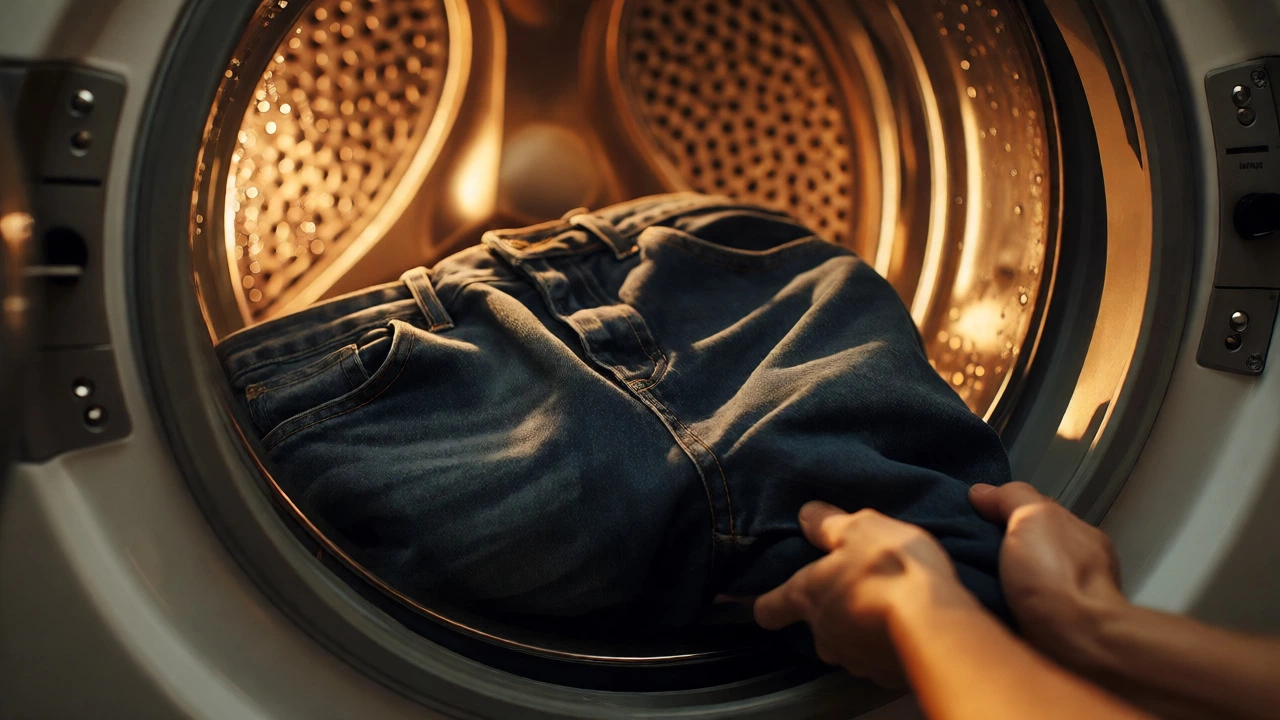
You pull your favourite pair of dark wash jeans out of the tumble dryer, and suddenly they feel like they were tailored for a child. Sound familiar? It’s a common panic in households across Ireland, where the damp weather often pushes us toward machine drying rather than line-drying outside. The short answer is yes, jeans do shrink in the dryer, but it’s not always a disaster. Understanding why this happens-and how to control it-can save you from buying new trousers every time you hit the 'high heat' button.
Denim is primarily made of cotton, a natural fibre that loves water and hates sudden temperature changes. When you expose cotton to high heat, the fibres contract. This isn't magic; it's physics. The tension put into the yarn during manufacturing is released when heated, causing the fabric to tighten up. In Ireland, where we deal with high humidity year-round, many people rely on dryers more than those in sunnier climates. But if you’re tossing raw denim or even standard Levi’s into a hot cycle, expect a size reduction. Typically, you might lose 3-5% in length and width. That sounds small, but on a 34-inch inseam, that’s over an inch gone. Suddenly, your ankle-grazing style becomes a capri pant situation.
Why Cotton Behaves This Way
To fix the problem, you need to understand the material. Denim is a twill weave, usually made from 100% cotton or a cotton-elastane blend. Pure cotton is the most prone to shrinking because its cellulose fibres swell when wet and then tighten as they dry under heat. If you’ve ever bought "sanforized" denim, you’ve already dodged some of this bullet. Sanforization is a mechanical process used by manufacturers (like the factories supplying brands sold in Grafton Street shops) to pre-shrink the fabric before cutting. However, even sanforized jeans can shrink slightly if abused in the dryer.
Elastane blends, which are popular in skinny fits sold at Penneys or Primark, behave differently. Elastane is a synthetic fibre that can degrade under high heat. Instead of just shrinking, the elastic parts of your jeans might become brittle or loose, leading to baggy knees and sagging waists. So, while pure cotton shrinks tight, stretch denim loses its shape. Both outcomes are bad news for your wardrobe budget.
The Irish Climate Factor
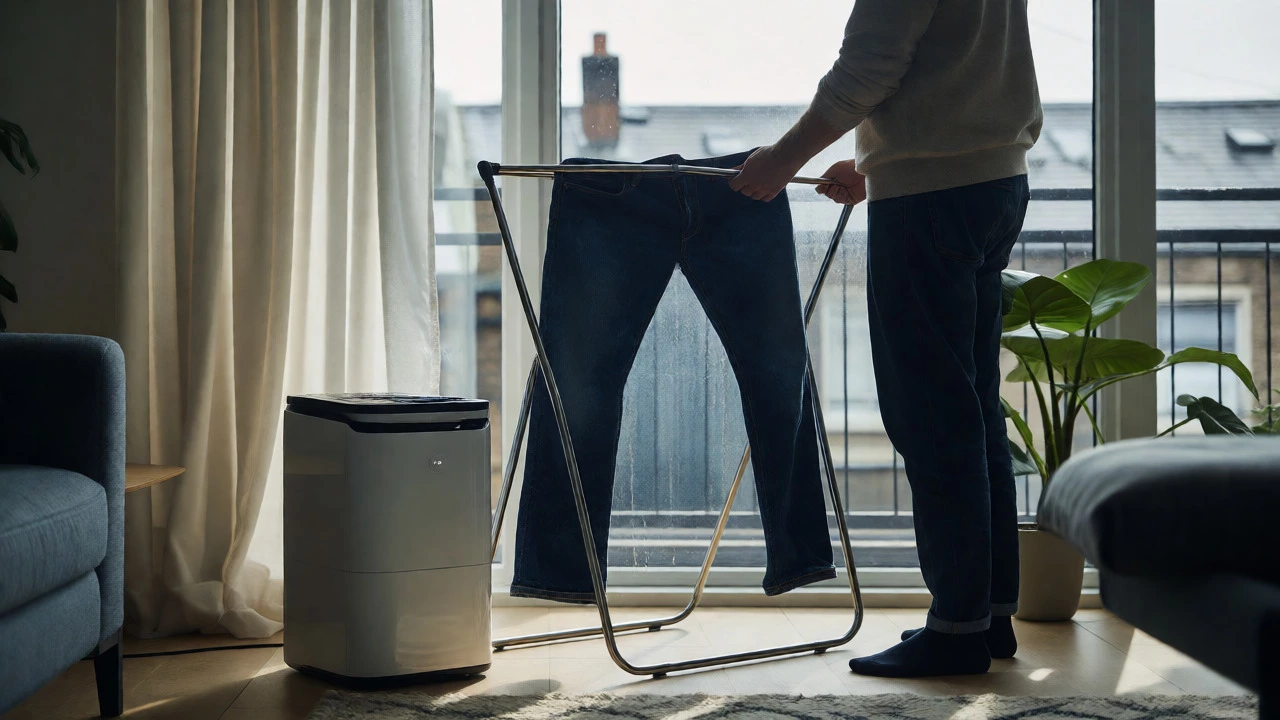
Living in Dublin or Cork means dealing with rain. It’s tempting to throw everything in the dryer to avoid mouldy smells on indoor clotheslines. But here’s the thing: air drying is actually better for denim longevity. The gentle breeze and lower temperatures prevent the aggressive contraction of fibres. If you have space, hang your jeans inside out on a rack near a dehumidifier. This method keeps the colour vibrant and the fit consistent. Many locals swear by this trick, especially for expensive selvedge denim bought from specialist stores in Temple Bar or online retailers shipping to Ireland.
If you must use a dryer, consider the energy costs. Electricity prices in Ireland have fluctuated recently, making efficient laundry habits smart financially too. Running a dryer on high heat for 45 minutes costs significantly more than a low-heat cycle. Plus, less heat means less wear on your clothes. It’s a win-win for your wallet and your waistband.
How Much Will They Actually Shrink?
It depends on three things: the fabric composition, the dryer temperature, and the duration of the cycle. Here’s a realistic breakdown based on common scenarios:
| Fabric Type | Low Heat / Air Fluff | Medium Heat | High Heat |
|---|---|---|---|
| 100% Cotton (Sanforized) | <1% | 2-3% | 3-5% |
| 98% Cotton / 2% Elastane | <1% | 1-2% | 2-3% (plus elastic damage) |
| Raw / Unsanforized Denim | 1-2% | 3-4% | 5-10% |
| Synthetic Blends (Polyester/Cotton) | No shrink | Minimal | Minimal |
Notice the jump for raw denim. If you buy unwashed jeans from a brand like Nudie Jeans or local Irish maker Dunnes Stores’ premium lines, they will shrink significantly on the first wash and dry. Always size up if you plan to machine dry them.
Step-by-Step: How to Wash and Dry Without Ruining Them
You don’t have to give up the dryer entirely. You just need to be smarter about it. Follow these steps to keep your jeans fitting right:
- Turn them inside out. This protects the indigo dye from fading and reduces friction on the outer surface.
- Wash cold. Hot water opens up the fibres, making them more susceptible to shrinking later. Use a gentle cycle.
- Skip the spin cycle if possible. High-speed spinning twists the fabric, which can distort the shape before it even hits the dryer.
- Dry on low heat. Set your machine to "Delicates" or "Low Heat." Never use "Cottons" or "Normal" for denim unless you want them tighter.
- Remove while damp. This is the golden rule. Take the jeans out when they are still slightly moist. Hang them up immediately to finish drying. This prevents the deep creases that set in when fully dried and makes ironing easier.
If you’re in a hurry, you can use the "Air Fluff" setting, which uses no heat. It takes longer, but it won’t shrink your jeans at all. For those living in apartments in Dublin city centre without outdoor space, a condenser dryer with a sensor dry function is a good investment. These machines stop when the clothes are dry, preventing over-drying.
Troubleshooting: What If They Already Shrunk?
Did you accidentally shrink your Levi’s 501s? Don’t bin them yet. You can try to relax the fibres again. Fill a bathtub with lukewarm water and add a tablespoon of hair conditioner. The conditioner coats the cotton fibres, making them slippery and easier to stretch. Soak the jeans for 30 minutes, then wring them out gently (don’t twist). While they are damp, put them on and walk around. Your body heat and movement will help stretch the denim back to your shape. Focus on areas that feel tight, like the thighs or waist. Once they are dry, they should retain much of the original fit.
This method works best for 100% cotton. If your jeans have elastane, be careful. Stretching damaged elastic can make them permanently baggy. Test a small area first if you’re unsure.
Cultural Context: Why We Care About Fit
In Ireland, fashion trends shift quickly. One minute everyone is wearing wide-leg jeans, the next it’s skinny fits. Because we often buy mid-range brands due to cost-of-living pressures, extending the life of our clothes is crucial. A shrunken pair of jeans isn’t just an inconvenience; it’s wasted money. By mastering laundry basics, you participate in a more sustainable lifestyle, aligning with growing environmental awareness in cities like Galway and Limerick.
Also, consider the social aspect. Wearing well-fitted jeans boosts confidence, whether you’re heading to a pub in Smithfield or a business meeting in Docklands. Ill-fitting clothes distract from your presence. Taking ten extra minutes to manage your laundry routine pays off in daily comfort.
Quick Checklist for Long-Lasting Denim
- Wash only when necessary (every 5-10 wears).
- Use cold water for washing.
- Avoid bleach; it weakens cotton.
- Always turn jeans inside out.
- Use low heat or air dry in the dryer.
- Hang to finish drying while damp.
- Store folded, not hung, to prevent waistband stretching.
By following these simple rules, you’ll find that your jeans last years instead of months. It’s a small habit change that makes a big difference in your wardrobe’s health.
Do all types of jeans shrink in the dryer?
Most jeans contain some cotton, so they have the potential to shrink. However, 100% synthetic jeans (rare) or those with high polyester content resist shrinking better. Sanforized cotton denim shrinks less than raw denim, but any heat exposure carries risk. Elastane blends may lose elasticity rather than shrink uniformly.
Can I unshrink my jeans after drying?
Yes, partially. Soaking them in lukewarm water with hair conditioner and then stretching them while damp can help regain some size. Wearing them until dry helps mold the fabric to your body. This works best on 100% cotton jeans; results vary with stretch fabrics.
Is it better to hang dry or tumble dry jeans in Ireland?
Hanging to dry is generally better for preserving fit and colour, especially given Ireland’s humid climate which slows drying but doesn’t cause shrinkage. Tumble drying is faster but risks shrinkage and fibre damage. If using a dryer, choose low heat and remove jeans while slightly damp.
How much does denim typically shrink?
On average, cotton denim can shrink 3-5% in length and width when exposed to high heat. Raw denim can shrink up to 10%. Low heat settings reduce this to less than 1-2%. Always check the care label for specific manufacturer guidance.
Does washing in cold water prevent shrinking?
Cold water washing minimizes fibre swelling and relaxation, which are precursors to shrinkage. It also preserves dye integrity. Combined with low-heat drying, cold washing is the most effective way to maintain the original size of your jeans.