Hoodie Shrinkage Risk Calculator
Select your fabric and heat setting, then click calculate to see your shrinkage estimate.
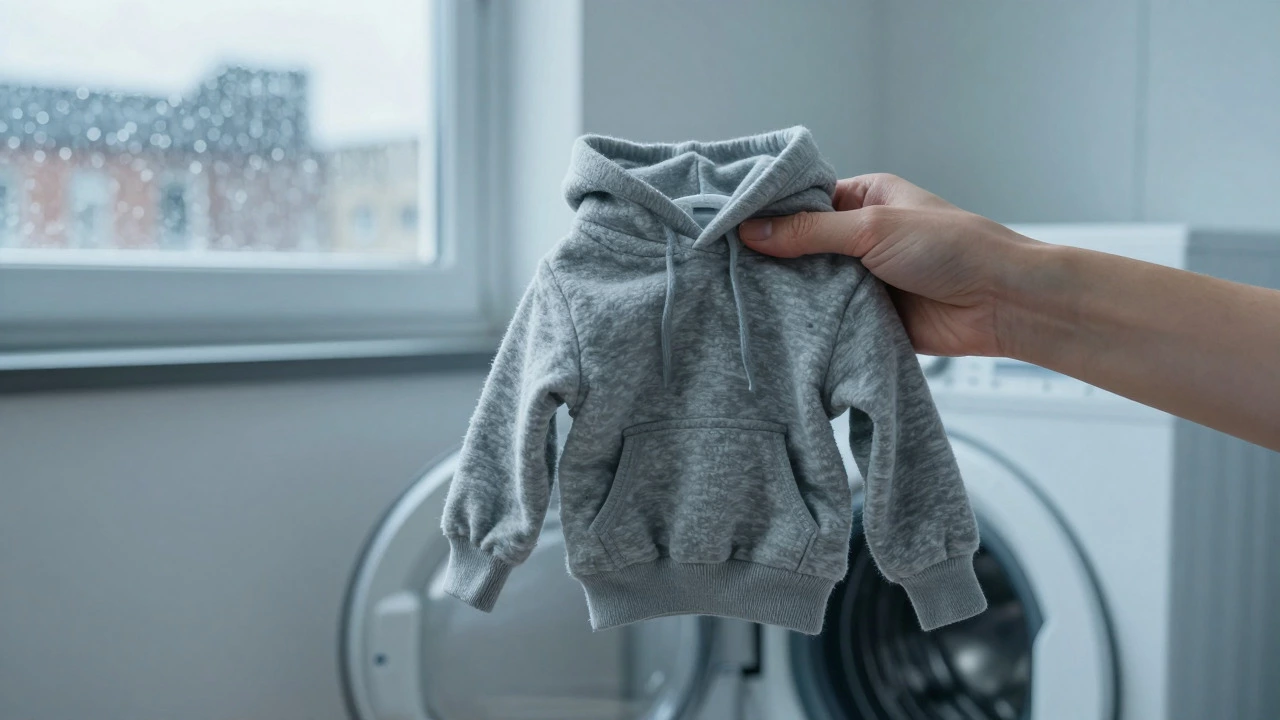
There is nothing quite like pulling on a fresh hoodie after a damp walk around Dublin’s city center. But if you’ve ever tossed your favorite fleece into the tumble dryer only to find it fitting like a child’s garment the next morning, you know the frustration is real. In Ireland, where the weather demands layering and our washing habits often involve high heat due to the persistent chill, understanding how hoodie shrinkage works is not just a chore-it’s a survival skill for your wardrobe.
The short answer is yes, hoodies can shrink significantly in the dryer, but it depends entirely on what they are made of and how hot you set that machine. If you live in a house with an older dryer or use a communal laundry facility in a student hall in Cork or Galway, the risk is higher because temperature control varies. Let’s break down exactly why this happens and how to keep your fit true, whether you’re wearing a local brand from Temple Bar or a global staple bought online.
Why Heat Makes Fabric Contract
To understand why your hoodie shrinks, you have to look at the fibers themselves. Most standard hoodies are made from cotton or a cotton-polyester blend. Cotton is a natural fiber that reacts strongly to heat and agitation. When exposed to high temperatures, the fibers tighten up. Think of it like a rubber band being stretched and then heated; it wants to return to its original, tighter state. This process is called relaxation shrinkage.
Polyester, on the other hand, is synthetic and much more resistant to heat. It holds its shape better but can feel less breathable, which matters when you’re out enjoying a dry day in the Wicklow Mountains. Blends try to balance these two properties, but if the cotton content is high (usually above 50%), you are still looking at a significant risk of shrinkage if the dryer runs too hot.
| Fabric Type | Shrinkage Risk in High Heat | Ideal Drying Method |
|---|---|---|
| 100% Cotton | High (up to 10-15%) | Air dry flat or low heat |
| Cotton-Poly Blend (60/40) | Moderate (3-5%) | Low heat or air dry |
| 100% Polyester | Very Low (<1%) | Any setting safe |
| Fleece (Poly-based) | Low | Medium heat safe |
Reading the Care Label Like a Pro
Before you even think about tossing your clothes in the drum, check the tag. It’s easy to ignore, but it holds the key to saving your money. Look for the symbol that looks like a square with a circle inside. If there is a dot in the middle, it means low heat. Two dots mean medium. No dots usually mean air dry only.
In many Irish homes, especially those with older apartments in areas like Belfast or Dublin’s inner city, space is tight. Hanging a large hoodie to dry might take up half the bathroom. This is why we default to the dryer. However, if the label says "tumble dry low," do not be tempted to use the "cotton" or "high" setting just to save time. The difference between a well-fitted hoodie and one that looks like it was stolen from a toddler is often just ten minutes of extra heat.
Local Factors: Humidity and Home Setup
Ireland’s climate plays a subtle role in how we dry our clothes. The ambient humidity here is consistently high. While this doesn’t directly cause shrinkage during the drying cycle, it affects how long clothes stay damp. If you air dry indoors, which many of us do during the rainy months from October to March, the process takes longer. This isn’t bad for the fabric-in fact, air drying is the gentlest method-but it requires planning.
If you live in a newer build in suburbs like Swords or Bray, you likely have a modern condenser dryer. These machines are generally better at controlling temperature than older vented models. However, even modern dryers can overheat if overloaded. A common mistake is stuffing the drum until it looks full. This prevents proper tumbling, causing some parts of the hoodie to stay wet while others get blasted with hot air unevenly. Aim for a load that allows the clothes to move freely-about three-quarters full max.
Step-by-Step: How to Dry a Hoodie Safely
You don’t need to become a laundry expert to protect your clothes. Follow these simple steps to ensure your hoodie comes out soft, warm, and the right size.
- Check the Tag: Confirm the maximum heat setting allowed. If unsure, assume low heat.
- Inside Out: Turn the hoodie inside out before washing and drying. This protects any prints, embroidery, or logos from peeling or fading under heat.
- Use a Mesh Bag: For delicate hoodies or those with zippers, place them in a mesh laundry bag. This reduces friction against the drum walls.
- Select Low Heat: Set the dryer to the lowest effective temperature. Many modern dryers have a "delicates" or "synthetic" setting which is perfect for blended hoodies.
- Remove Early: Do not wait for the cycle to finish completely. Check the hoodie after 10-15 minutes. Remove it while it is still slightly damp. The residual moisture will evaporate as you wear it or hang it, preventing over-drying and brittleness.
- Smooth Out: As soon as you remove it, give the hoodie a gentle stretch back to its original shape. This helps relax any minor shrinkage that may have occurred.
What to Do If Your Hoodie Has Already Shrunk
So, you already put it in the dryer on high, and now it’s two sizes too small. Don’t throw it away yet. There are tricks to bring it back.
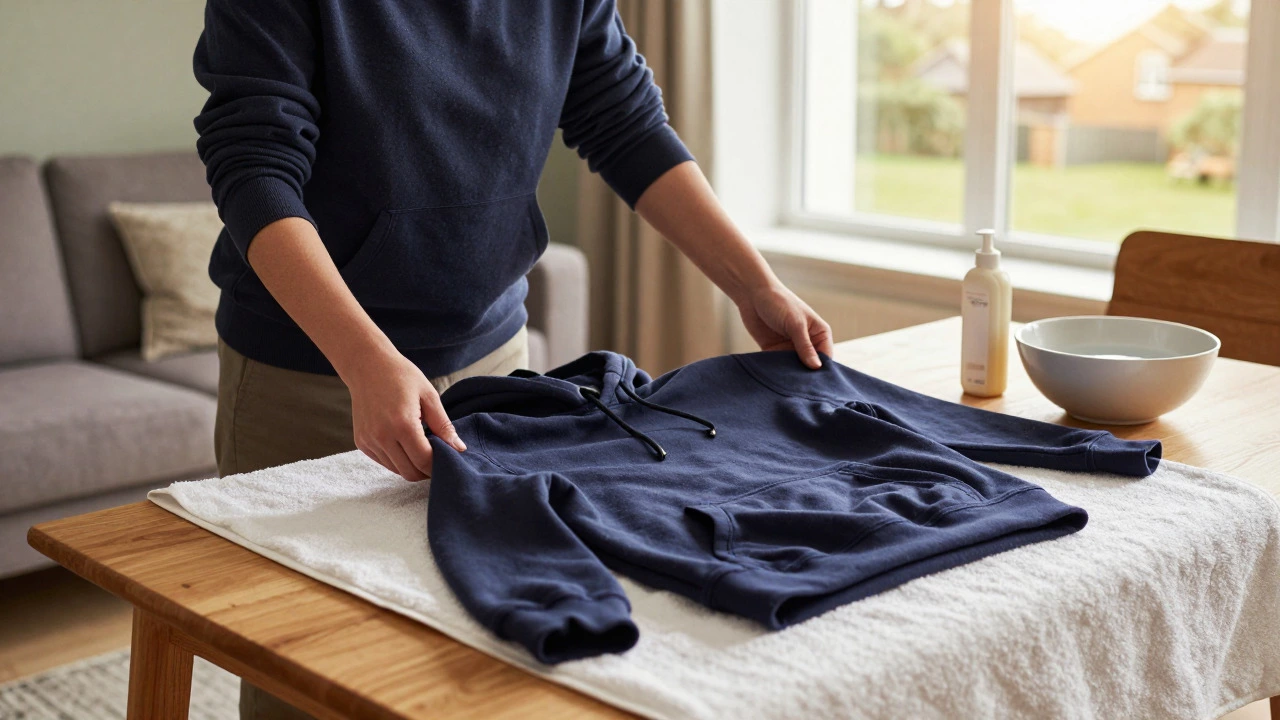
For cotton blends, soak the hoodie in a basin of lukewarm water mixed with a capful of hair conditioner or baby shampoo for about 30 minutes. The conditioner relaxes the fibers. Gently squeeze out the excess water (do not wring) and lay the hoodie flat on a clean towel. Stretch it gently back to its original dimensions, paying attention to the sleeves and hem. Pin it in place if necessary and let it air dry completely. This method works surprisingly well for mild shrinkage.
For pure polyester or heavy fleece, stretching is less effective because the fibers are stiffer. In these cases, prevention is truly better than cure. If the hoodie is severely shrunken, it might be time to repurpose it as a loungewear piece or donate it to a local charity shop, such as those run by the Red Cross or Barnardo’s, where it can still serve someone else.
Irish Brands and Local Shopping Tips
When shopping for hoodies in Ireland, you’ll find a mix of international giants like Nike and Adidas, alongside growing local brands. Stores in areas like Grafton Street in Dublin or O’Connell Street in Cork offer a wide range. Local brands often use higher quality cottons, which are softer but more prone to shrinkage if mishandled. Always ask staff about the fabric composition. If a hoodie feels incredibly soft and thick, it’s likely high-cotton, so treat it with extra care.
Online retailers popular in Ireland, such as ASOS or Next, provide detailed care instructions on their product pages. Read them before buying. If you’re purchasing from a smaller independent seller on platforms like Etsy or local markets, check the reviews. Comments like "shrank in the wash" are red flags worth noting.
FAQ
Can I dry a hoodie on high heat if it’s mostly polyester?
Yes, if the hoodie is 100% polyester or has very little cotton (under 20%), high heat is generally safe. However, always check the specific care label, as some blends with elastane (spandex) can degrade under extreme heat, losing their stretch over time.
Is it better to air dry or tumble dry hoodies in Ireland?
Air drying is the best method for preserving the lifespan and fit of your hoodie. Given Ireland’s humid climate, indoor air drying can take 24-48 hours. If you lack space or time, use a low-heat tumble dry setting and remove the item while slightly damp to finish air drying.
Why did my new hoodie shrink after the first wash?
New garments often undergo pre-shrinking during manufacturing, but not all fibers contract equally. If you washed it in hot water or dried it on high heat, the remaining potential for shrinkage was triggered. To prevent this in the future, wash new cotton items in cold water and dry on low heat for the first few cycles.
Does using fabric softener help prevent shrinking?
Fabric softener makes clothes feel softer but does not prevent shrinkage. In fact, some softeners can leave a residue that attracts dirt and reduces the breathability of the fabric. If you want to reduce static and soften without damage, consider adding a cup of white vinegar to the rinse cycle instead.
How do I dry a hoodie quickly if it’s raining outside?
If you need speed, use the dryer on a low heat setting for 15 minutes, then hang the hoodie in a well-ventilated room. Using a fan pointed towards the garment can accelerate evaporation without applying direct heat, reducing the risk of further shrinkage compared to running the dryer for a full cycle.