
Crocs Odor Risk Calculator
Do feet get smelly in Crocs? It depends on how you wear them. Use this tool to calculate your personal "Stink Score" based on material science and Irish climate factors.
Select your habits above to calculate your risk.
Picture this: You’re walking along the Cliffs of Moher on a breezy September afternoon. The wind is whipping off the Atlantic, keeping things fresh outside. But inside your Crocs, there’s a different story unfolding. Your feet feel damp, warm, and maybe just a little bit questionable. It’s a common worry among Irish wearers who love the comfort but dread the smell. So, do feet get smelly in Crocs? The short answer is yes, they can. But it’s not because the shoe itself is cursed. It’s about how you wear them, what you pair them with, and how often you clean them. In Ireland’s unpredictable climate-where rain can hit at noon and sun shines by three-managing moisture is key to keeping those iconic clogs smelling like new.
The Science Behind the Squeak and the Stink
To understand why odor happens, we need to look at the material. Crocs are made from Croslite™, a proprietary closed-cell resin. Unlike traditional rubber or plastic, Croslite™ is lightweight and buoyant, but it doesn’t breathe like canvas or leather. When you wear Crocs barefoot-which many people do-the sweat from your feet has nowhere to go. It gets trapped between your skin and the non-porous surface of the shoe. Bacteria thrive in this warm, moist environment. As these bacteria break down the sweat, they produce waste products that smell. This process accelerates if you have sweaty feet naturally or if you’ve been walking around Galway city all day without a break.
It’s worth noting that Crocs aren’t unique in this regard. Any synthetic, non-breathable shoe will cause similar issues if worn without socks. However, because Crocs are often marketed as casual, easy-on-easy-off footwear, users tend to neglect proper hygiene routines more than they might with running trainers. If you live in a humid part of Ireland, like Cork or Limerick, the ambient humidity can exacerbate the problem, making your feet sweat even when the temperature isn’t scorching.
Socks vs. Barefoot: The Great Debate
Should you wear socks with Crocs? Purists say no. Comfort seekers say absolutely. From an odor-prevention standpoint, wearing socks is the single most effective change you can make. Thin, moisture-wicking socks create a barrier between your skin and the Croslite™ material. They absorb sweat before it becomes a breeding ground for bacteria. If you’re worried about looking too formal or bulky, opt for no-show athletic socks or thin cotton liners available at local shops like Brown Thomas or online retailers shipping to Dublin.
If you insist on going barefoot, you must be disciplined. You cannot skip cleaning. Wearing Crocs barefoot for consecutive days without washing them is a recipe for disaster. The residue builds up layer by layer. Think of it like a pan left unwashed after cooking; eventually, the grime sets in and smells even when empty. For those who prefer the barefoot feel, consider using foot powder or antiperspirant sprays specifically designed for feet. These products reduce moisture and inhibit bacterial growth, acting as a chemical shield against odor.
Cleaning Routine: How to Keep Them Fresh
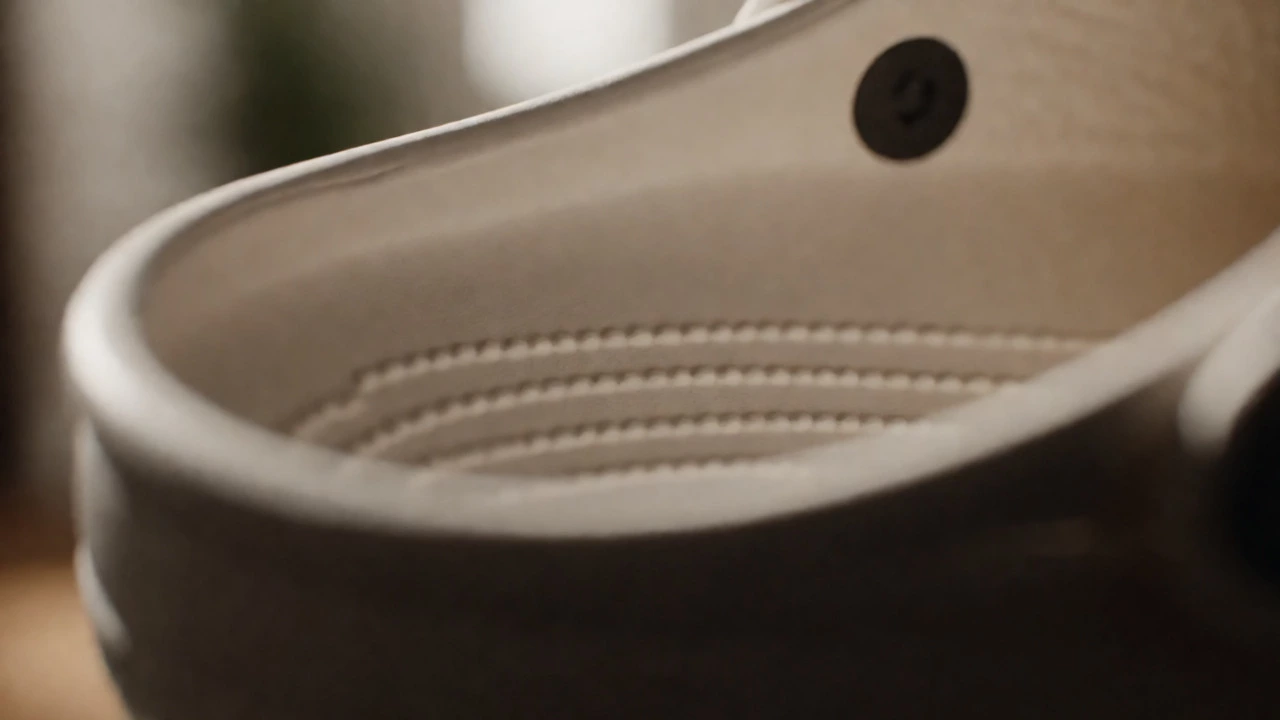
Washing Crocs isn’t rocket science, but doing it correctly matters. Many people throw them in the washing machine and hope for the best. While Crocs are technically machine washable, high heat can warp the shape. Here’s a better approach for long-term freshness:
- Daily Rinse: After wearing, rinse the interior with cold water and mild soap. Use a soft brush to scrub the textured footbed where dirt hides.
- Vinegar Soak: Once a week, soak your Crocs in a mixture of white vinegar and water (1:1 ratio) for 30 minutes. Vinegar kills bacteria and neutralizes odors naturally.
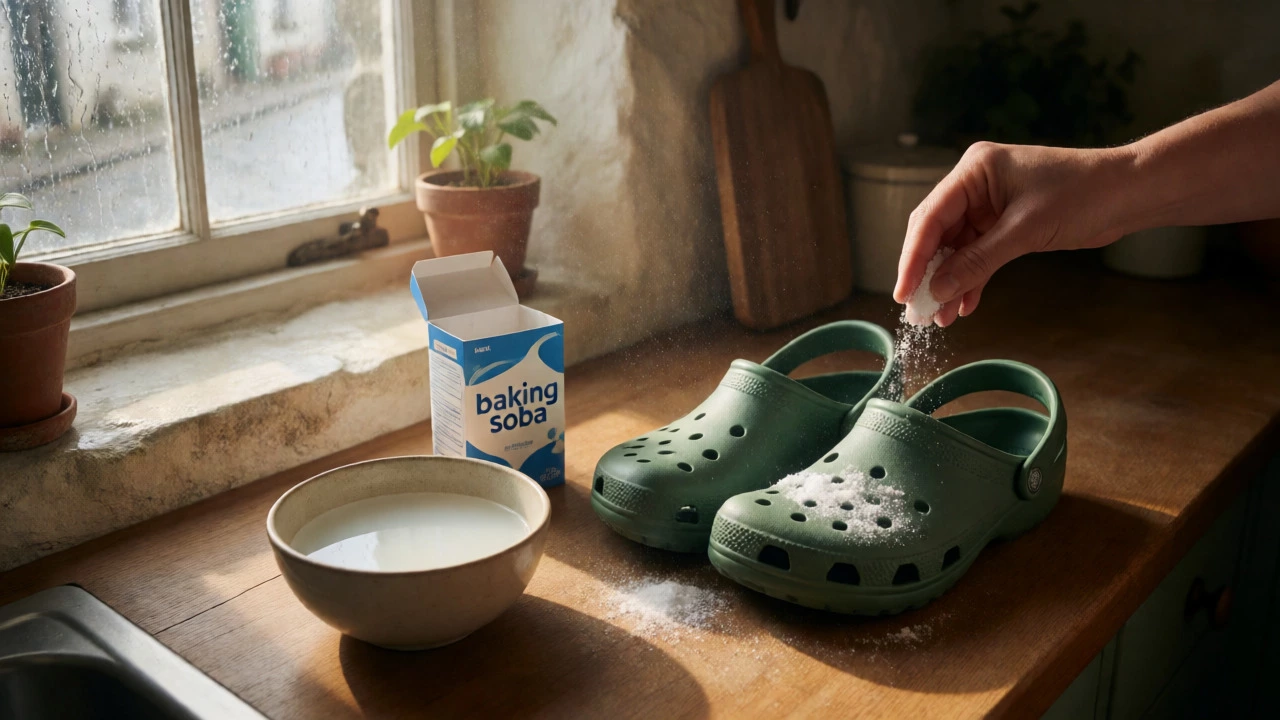
- Baking Soda Treatment: Sprinkle baking soda inside dry Crocs overnight. It absorbs residual moisture and smells. Shake it out in the morning.
- Air Dry Only: Never put Crocs in a tumble dryer. Heat breaks down the Croslite™ foam, causing shrinkage and loss of cushioning. Air dry them in a well-ventilated area, ideally near a window but out of direct sunlight which can fade colors.
In Ireland, where indoor heating kicks in early, placing wet shoes near a radiator can speed up drying, but keep them at a safe distance to avoid warping. If you’re traveling through rural areas like Kerry or Donegal, carrying a small packet of antibacterial wipes can be a lifesaver for quick mid-day refreshes.
| Strategy | Effectiveness | Effort Level | Best For |
|---|---|---|---|
| Wearing Moisture-Wicking Socks | High | Low | Daily Commuters & Walkers |
| Barefoot + Daily Washing | Medium | High | Style Purists |
| Foot Powder/Antiperspirant | Medium-High | Low | Sweaty Feet Individuals |
| Vinegar/Baking Soda Deep Clean | High | Medium | Weekly Maintenance |
Climate Considerations in Ireland
Ireland’s weather plays a huge role in footwear hygiene. We don’t have extreme heatwaves like southern Europe, but our dampness is persistent. Rain soaks into everything. If you wear Crocs in the rain, they get wet instantly. Wet feet plus warm body heat equals rapid bacterial multiplication. This is why many Irish users find their Crocs smell worse in autumn and winter than in spring. The solution? Rotate your shoes. Don’t wear the same pair two days in a row. Give them 24 hours to air out completely. If you have multiple pairs, alternate them. This simple habit reduces moisture buildup significantly.
Also, consider the type of activity. Crocs were originally designed for boating and gardening. They excel in wet environments because they drain quickly. But if you’re using them for long walks on paved streets in Dublin or Belfast, the lack of breathability becomes a drawback compared to mesh sneakers. Match the shoe to the task. For office wear or long shopping trips, socks are non-negotiable for odor control. For beach days in Bundoran or rainy garden work, barefoot is fine if you wash them immediately after.
When to Replace Your Crocs
Even with perfect care, Crocs have a lifespan. Over time, the Croslite™ foam compresses and develops micro-cracks. These cracks trap dirt and bacteria deep within the material, where soap and water can’t reach. If you notice a persistent smell despite thorough cleaning, it’s likely time to replace them. Look for signs of yellowing, significant deformation, or rough texture on the footbed. In the Irish market, replacement costs vary, but investing in a new pair every 1-2 years for heavy users ensures hygiene. You can often find deals during seasonal sales at major retailers like Arnotts or online platforms like ASOS, which frequently stock Crocs for the UK and Ireland regions.
Another factor is Jibbitz charms. While fun, they add extra crevices for dirt to hide. Remove them regularly and clean underneath. It’s a small detail, but in the battle against foot odor, details win wars.
Practical Tips for Irish Travelers and Locals
If you’re planning a trip abroad from Ireland, pack a spare pair of thin socks. Humidity levels in places like Southeast Asia or the Caribbean are far higher than in Dublin, leading to faster sweat accumulation. Conversely, if tourists visit Ireland wearing Crocs, warn them about the damp cobblestones. Walking through Temple Bar in light rain with bare feet in Crocs can lead to chilly, clammy discomfort by evening.
For locals, leverage local resources. Pharmacies across Ireland sell antifungal powders and odor-control sprays cheaply. Ask your pharmacist for recommendations tailored to sensitive skin. Also, check community forums or social media groups dedicated to Irish fashion or lifestyle. Real user experiences often provide specific brand recommendations for socks or cleaners that work well with Croslite™ material.
Ultimately, smelly feet in Crocs are manageable. It’s not a flaw in the product design but a challenge of maintenance. By respecting the material’s limitations-its lack of breathability-and adopting smart habits like wearing socks, rotating pairs, and regular deep cleans, you can enjoy the comfort of Crocs without the embarrassment of odor. Whether you’re strolling through Phoenix Park or working in a hospital ward where Crocs are standard issue, hygiene is the key to confidence.
Can I put my Crocs in the dishwasher?
Yes, many people use the top rack of the dishwasher to clean Crocs. Use a gentle cycle and low heat setting. Avoid heated drying cycles as high temperatures can warp the Croslite™ material. This method is effective for removing stubborn grime but should be done occasionally, not daily, to preserve the shoe's integrity.
Why do my Crocs smell worse when I wear them in the rain?
Rainwater mixes with natural oils and dead skin cells on your feet, creating a nutrient-rich broth for bacteria. Since Crocs don't breathe, this moisture stays trapped against your skin longer than it would in breathable shoes. The combination of wet conditions and body heat creates an ideal incubator for odor-causing microbes.
Do Crocs cause athlete's foot?
Crocs themselves don't cause athlete's foot, but the environment they create can contribute to fungal growth. Athlete's foot is caused by fungi that thrive in warm, moist environments. If you wear Crocs barefoot for extended periods without allowing them to dry fully, you increase the risk. Wearing socks and ensuring thorough drying mitigates this risk.
How often should I wash my Crocs?
If you wear them barefoot, aim for a quick rinse after each wear and a deeper clean once a week. If you wear socks, a monthly deep clean is usually sufficient, provided you wash the socks regularly. Always let them dry completely before storing them away.
Are there alternatives to Crocs that smell less?
Shoes made from natural materials like leather, wool, or breathable mesh tend to manage odor better because they allow airflow. Brands like Birkenstock (with cork footbeds) or Allbirds (wool uppers) offer similar comfort with better ventilation. However, these may not be as waterproof or easy to clean as Crocs.