US Slipper vs. Irish Winter Checker
Confused by US online listings? Check if those "slippers" will actually keep your toes warm in a damp Irish home.
Select the features of the slipper you are looking at to see if it's right for Ireland.
You’re scrolling through a US-based online store, looking for something cozy to wear around your flat in Dublin or your cottage in Cork. You type "slippers" into the search bar, and you get back a mix of fuzzy socks, flip-flops, and heavy winter boots. Confused? You aren’t alone. The question do americans say slippers is one that trips up plenty of Irish shoppers trying to navigate international retail sites. The short answer is yes, they do use the word, but what they mean by it often differs from what an Irish person pictures when they hear it.
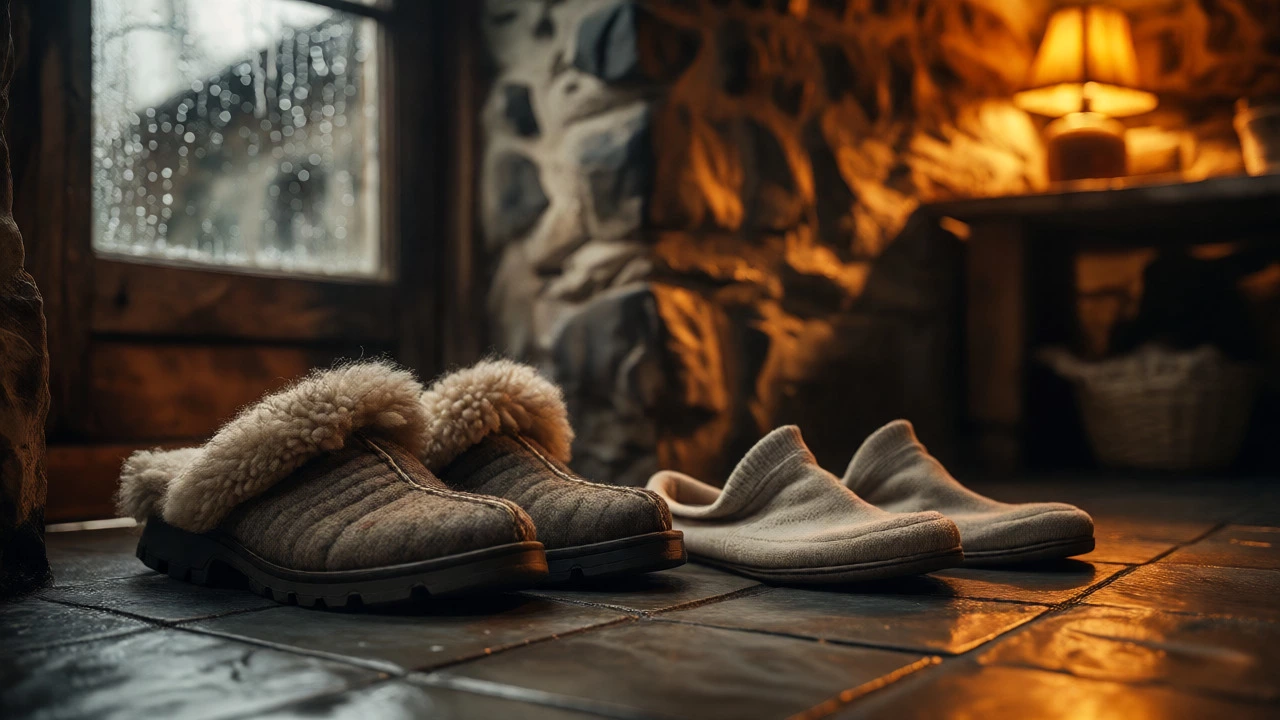
In Ireland, we have a very specific mental image of a slipper. It’s usually a soft, closed-toe shoe with a warm lining, designed specifically for keeping your feet dry during our damp winters. When you buy "slippers" at Brown Thomas or Penneys, you expect warmth and structure. In the States, the term is much broader and sometimes less precise. This linguistic gap can lead to awkward purchases-like ordering "summer slippers" from New York only to receive open-toed sandals that offer zero protection against an Irish draft.
The American Definition: A Broad Umbrella
To understand why this confusion happens, you need to look at how American English categorizes footwear. In the US, "slipper" is a catch-all term for almost any casual, non-athletic shoe worn indoors. This includes:
- Fuzzy socks with rubber grips on the bottom (often called "sock slippers").
- Moccasins made of suede or leather.
- Open-back slides that are technically sandals but sold in the slipper aisle.
- Booties that look like ankle boots but are meant for lounging.
If you ask an American, "What are you wearing?" while they’re relaxing at home, they might point to a pair of thin, cotton-lined mules and call them slippers. If you were to wear those same mules in a typical Irish kitchen in January, your toes would likely freeze before you finished making your tea. The cultural expectation of "cozy" varies wildly between the two countries.
Why Irish Context Matters
Ireland’s climate dictates our footwear choices more than fashion trends do. We deal with high humidity, frequent rain, and cold floors that seem to radiate chill regardless of how much heating you run. Because of this, the Irish definition of a slipper leans heavily toward thermal insulation and moisture-wicking materials.
Consider the traditional Aran sweater. It’s iconic because it’s practical for our weather. Similarly, our slippers are built for utility. Brands popular here, like Grafton Shoes or even private label options in SuperValu, prioritize thick wool linings and sturdy soles that can handle a quick trip to the letterbox without soaking through. When you cross-shop with US retailers like Target or Amazon US, you’re often seeing products designed for climates where central heating is ubiquitous and outdoor humidity is lower. Their "slippers" may lack the waterproofing or thermal mass we subconsciously demand.
| Feature | Irish Expectation | American Generalization |
|---|---|---|
| Primary Material | Wool, sheepskin, fleece | Cotton, polyester, memory foam |
| Sole Type | Hard rubber or leather (outdoor capable) | Soft foam or flexible plastic (indoor only) |
| Coverage | Closed toe, high ankle | Varies widely (open toe common) |
| Weather Resistance | High (damp-proof) | Low (assumes dry interior) |
Navigating International Retailers
If you’re buying from a US site, don’t rely on the category header alone. Look at the product description keywords. If you see "breathable," "lightweight," or "summer," be cautious. These terms signal that the manufacturer prioritized air circulation over warmth-a priority that makes sense in Arizona but leaves you shivering in Galway.
Conversely, if you’re an American visiting Ireland and wondering why everyone looks so bundled up indoors, it’s not just paranoia. Our homes, especially older stone buildings in cities like Waterford or Kilkenny, take time to heat. We keep slippers on because the floor temperature rarely matches the air temperature. If you try to adopt the American habit of barefoot comfort or light sock-slippers in an Irish winter, you’ll likely end up with a sore throat faster than you can say "Grandad."
Regional Nuances Within the US
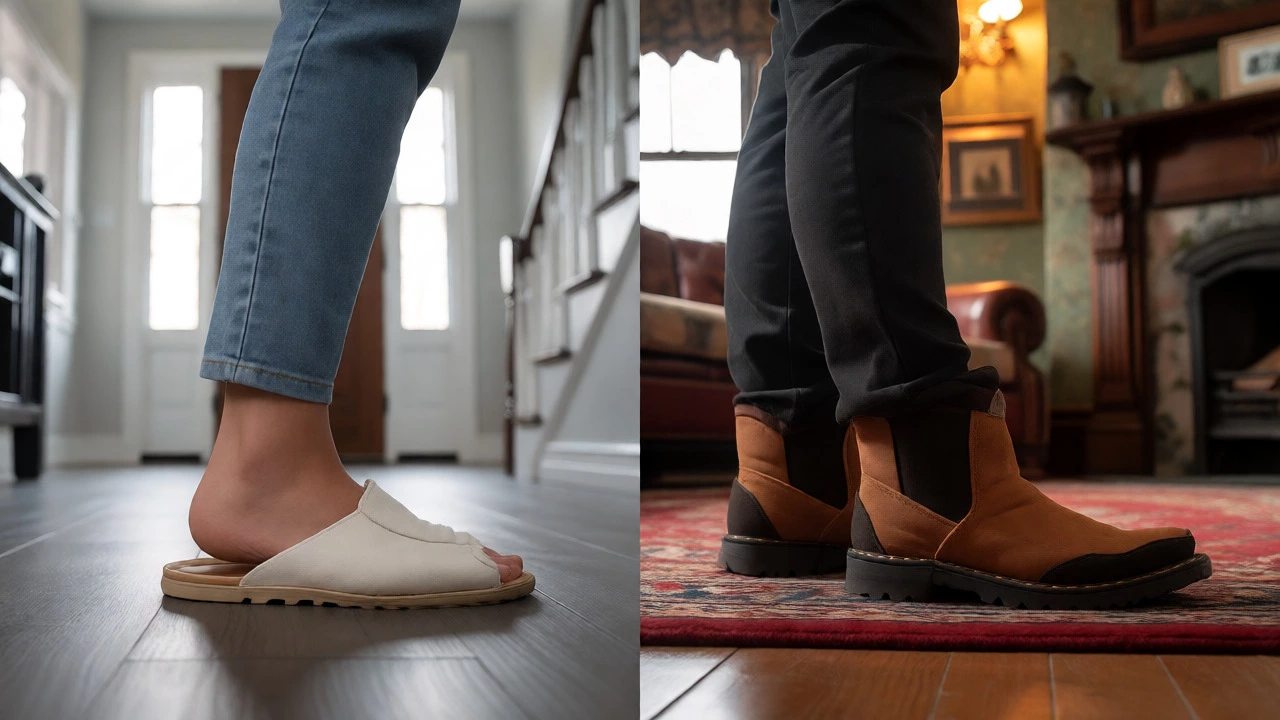
It’s worth noting that the US isn’t a monolith. In the Northeast, particularly in states like Vermont or Maine, the definition of a slipper aligns more closely with ours. Residents there face harsh winters and appreciate heavy, insulated booties. They might call them "house boots" rather than slippers, which adds another layer of confusion for Irish buyers searching for familiar terms.
In the South, however, the term dilutes further. In Florida or Texas, "slippers" might genuinely refer to open-toed slides used on patios. So, when you ask do americans say slippers, remember that geography changes the answer. A seller in Miami has a different idea of footwear than a seller in Minneapolis.
How to Shop Smart from Ireland
So, how do you avoid getting stuck with inappropriate footwear? Here is a quick checklist for checking US listings:
- Check the sole material: If it says "EVA foam" or "memory foam" without mentioning rubber grip, it’s likely for indoor use only. Avoid these if you plan to step outside.
- Look for "shearling" or "wool": These indicate higher warmth ratings suitable for Irish winters.
- Read reviews for "drafty": Other users will tell you if the shoe runs cold.
- Ignore "unisex": Sometimes used to describe shapeless designs that fit poorly on narrower European feet.
Local Irish brands have adapted to this global confusion by being explicit. You’ll often see terms like "thermal lined" or "water-resistant upper" prominently displayed. Stick to these descriptors if you want guaranteed warmth. While US brands offer great variety in style and tech features (like orthopedic support), they rarely account for the specific damp-cold combination that defines our lifestyle.
The Rise of Hybrid Footwear
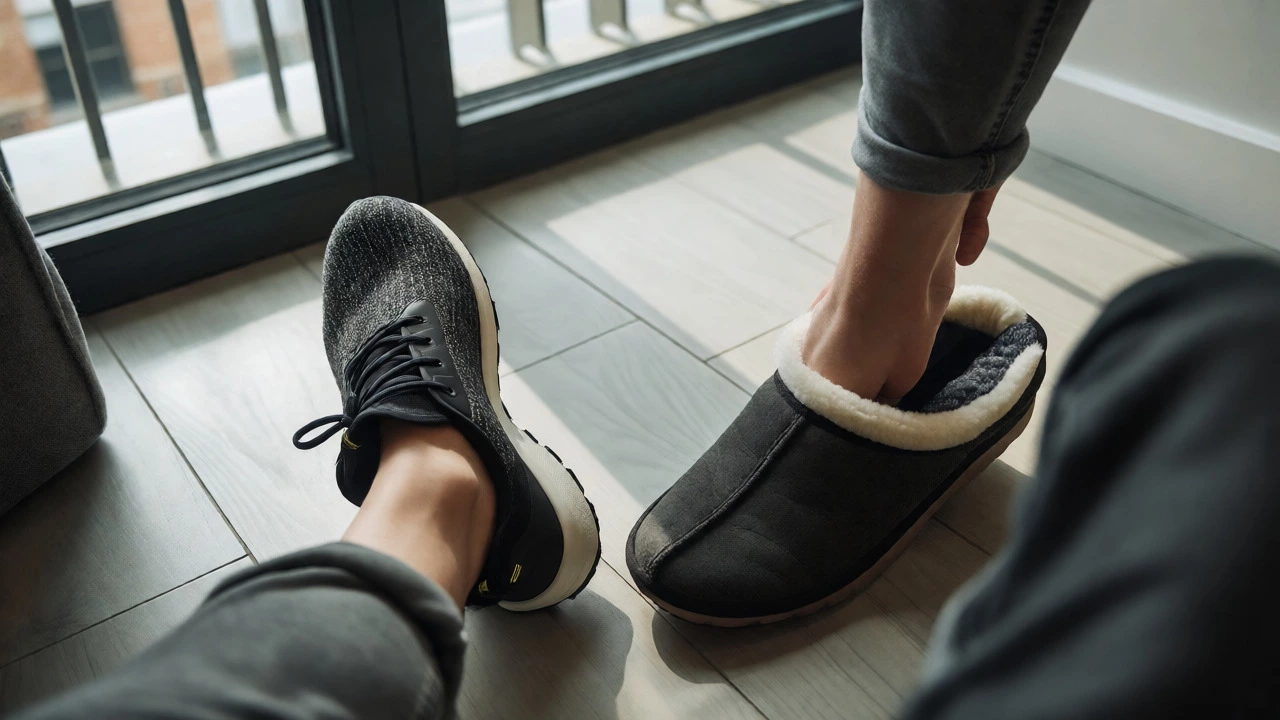
Interestingly, the lines are blurring. With remote work becoming permanent for many professionals in Dublin’s tech sector, people spend more time moving between home offices and local cafes. This has led to a rise in "hybrid slippers"-shoes that look like sneakers but feel like slippers. Brands like Allbirds (which actually started in NZ but is huge in the US) sell "wool runners" that bridge this gap. They are marketed as both house shoes and street shoes.
This hybrid approach works well in Ireland because it acknowledges that we often need to dash out quickly. However, true purists still argue that nothing beats a dedicated pair of wool-lined slippers for pure relaxation. The key is knowing which job you’re asking your footwear to do. Are you staying in all day? Go for maximum insulation. Are you popping into Tesco? Choose a hybrid model with a tougher sole.
Cultural Etiquette and Comfort
There’s also a social aspect to consider. In many American households, it’s acceptable to wear athletic trainers inside, especially if you’ve been working out. In Ireland, while attitudes are loosening, there’s still a strong cultural preference for removing outdoor shoes upon entering a home. Wearing muddy running shoes on a clean carpet is still a faux pas in many Irish homes. Therefore, the "slipper" serves a hygienic function as well as a thermal one. It signals respect for the host’s space.
If you’re hosting guests from the US, provide them with clear guidance. Don’t assume they know they should change their shoes. Have a basket of spare slippers ready. It’s a small gesture that shows hospitality and saves your carpets. Many Irish B&Bs now stock branded slippers for this exact reason, understanding that international travelers may not share the same indoor-outdoor boundary.
Is it rude to wear slippers outside in America?
Generally, yes. Most Americans view slippers as strictly indoor footwear. Wearing them to a grocery store or restaurant can be seen as sloppy or unprepared. In contrast, in some rural parts of Ireland, it’s not uncommon to see someone pop down the lane in sturdy slippers, though even this is changing with urbanization.
What do Brits call slippers?
Brits use the word "slippers" exactly as we do in Ireland. The terminology is identical across the UK and Ireland. The difference lies primarily with American usage, which is broader and less focused on thermal insulation.
Can I return US-sized slippers easily from Ireland?
It depends on the retailer. Major platforms like Amazon often facilitate returns, but shipping costs can be high. Smaller US boutiques may require you to pay for international return shipping, which can cost more than the slippers themselves. Always check the return policy before buying.
Are American slippers smaller than Irish ones?
Not necessarily smaller, but often narrower. US sizing tends to accommodate wider feet more generously in width, but the length scaling can differ. Always consult the brand’s specific size chart, converting from US to EU sizes carefully, as Irish feet often follow European sizing standards.
What is the best material for Irish winters?
Merino wool and sheepskin are top choices. They regulate temperature and wick away moisture, which is crucial in our humid climate. Synthetic fleece is cheaper but can cause sweaty feet if your heating is high.