Irish Summer Fabric Suitability Checker
Walking through Dublin’s Temple Bar on a July afternoon, you might feel a sudden chill despite the sun shining. This is the reality of an Irish summer. The weather here is unpredictable; one minute it’s warm enough for ice cream, the next a drizzle from the Atlantic rolls in. So, what is the coolest material to wear in summer? It isn't just about heat-it's about managing humidity and sudden temperature drops without looking like you're dressed for a beach holiday when you're actually heading to a pub in Galway.
The answer lies in understanding how different fibers interact with Ireland’s specific climate. We don't get the scorching, dry heat of Southern Europe or the intense humidity of Southeast Asia. Instead, we face mild temperatures (usually between 15°C and 20°C) combined with high air moisture. This means your priority isn't just cooling down; it's staying comfortable when the air feels damp and when you need a layer quickly if the wind picks up off the coast.
Why Linen Is the Undisputed King in Ireland
If you only buy one fabric for the summer months in this country, make it linen. Native flax has been grown in parts of Europe for centuries, and its properties are perfectly suited to our maritime climate. Linen is not just "natural"; it is thermoregulatory. It breathes better than cotton because the fibers are hollow, allowing air to circulate freely around your skin. But here is the key difference: linen dries faster than cotton. In Ireland, where rain is a constant possibility, a wet cotton shirt can feel cold and heavy against your body. A wet linen shirt, however, retains some insulating properties even when damp, so you won't shiver as soon as the clouds break.
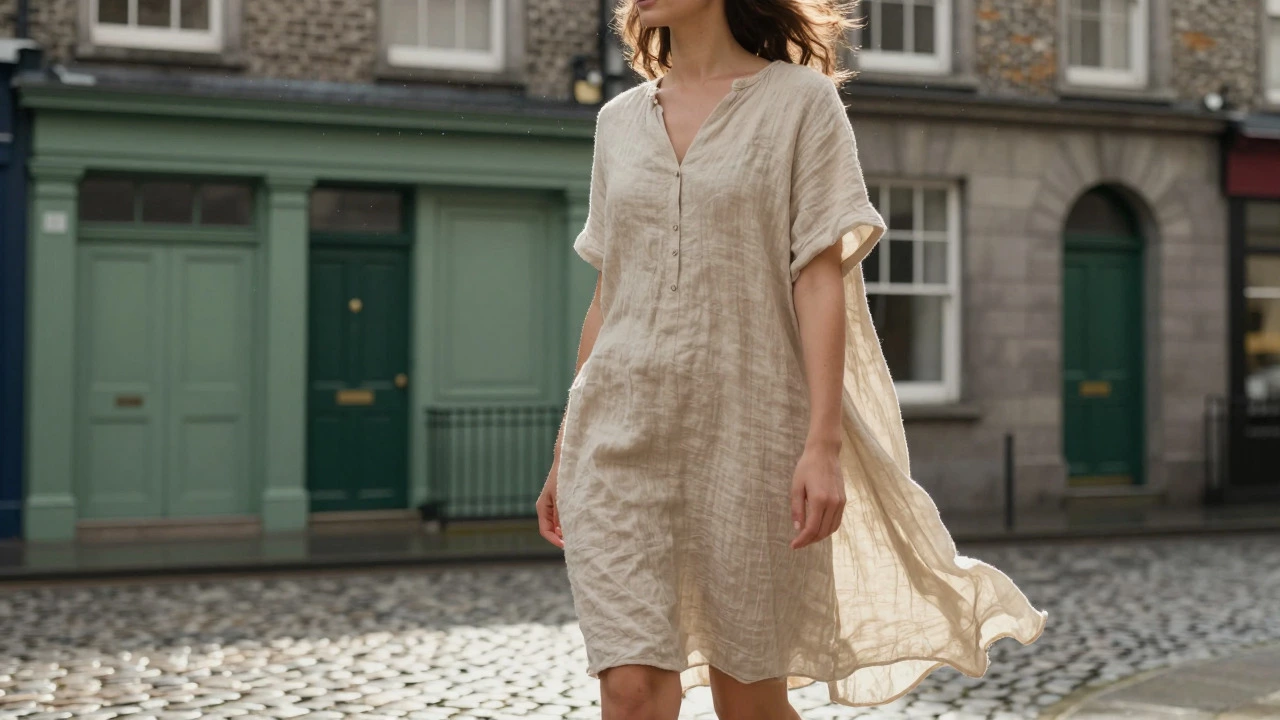
For women, a loose-fitting linen dress is the ultimate practical choice. It works for a casual lunch in Kilkenny or a day trip to the Cliffs of Moher. The fabric becomes softer with every wash, meaning that old, favorite pieces actually improve over time. Just be aware that linen wrinkles easily. If you are heading to a business meeting in Cork or a wedding in County Wicklow, you may want to choose a linen-cotton blend. This hybrid offers the breathability of linen but with a smoother finish that resists creasing, keeping you looking polished without needing an iron in your bag.
Cotton vs. Synthetics: The Humidity Factor
Cotton is the second most popular choice, and for good reason. It is affordable, widely available in shops from Dun Laoghaire to Derry, and feels soft against the skin. However, pure cotton has a major flaw in our climate: it absorbs moisture. While this sounds like a good thing, it means that if you sweat-or if it rains-cotton holds onto that water. This can lead to that clammy feeling that makes you want to peel your clothes off. If you are planning a hike in the Wicklow Mountains or a long walk along the Wild Atlantic Way, avoid 100% cotton base layers. They will soak up sweat and take hours to dry, potentially leading to chills once the sun goes down.
On the other hand, synthetic fabrics like polyester have improved dramatically. Modern moisture-wicking synthetics are designed to pull sweat away from your skin and evaporate it quickly. These are excellent for active days. If you are cycling through the streets of Belfast or running along the Liffey, a technical synthetic top will keep you dry and light. However, for general everyday wear, pure synthetics can trap body odor more than natural fibers. A blend of cotton and elastane offers a middle ground: it stretches for comfort, wicks some moisture, and feels less "plastic" than pure polyester.
Choosing the Right Dress for Irish Weather
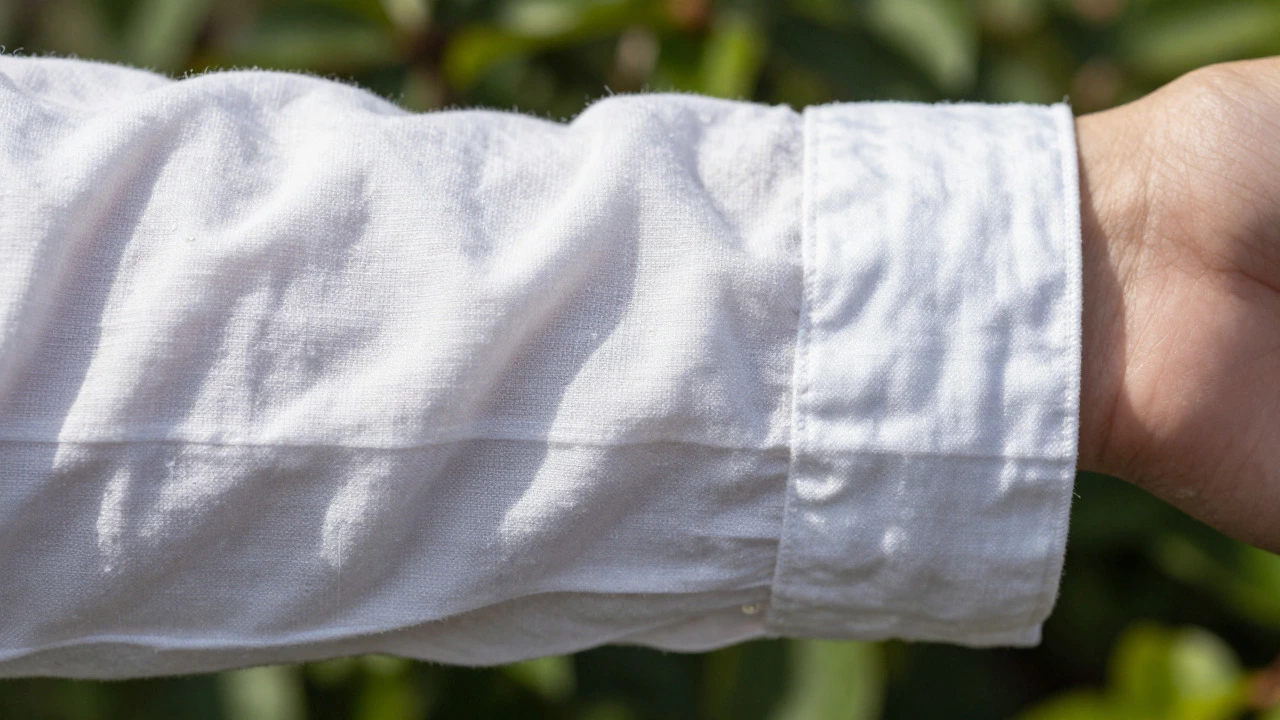
When selecting a summer dress, the cut matters as much as the fabric. Tight-fitting dresses made from heavy fabrics will trap heat and feel suffocating by 3 PM. Look for A-line silhouettes or wrap dresses that allow air to flow. For the unpredictable Irish weather, consider dresses with sleeves. You might think sleeveless is cooler, but a light, short-sleeved linen dress provides protection from the occasional breeze without adding bulk. If you are prone to getting cold easily, a midi-length dress in a breathable fabric covers more surface area, which helps maintain body temperature if the air cools down unexpectedly.
Color also plays a role. Light colors reflect sunlight, helping to keep you cooler. White, pastel blues, and soft yellows are ideal for sunny spells. Darker colors absorb heat, which might be comforting if you are sensitive to the chill, but they can make you overheated during rare hot days. Since Irish summers rarely exceed 25°C, light colors are generally the safer bet for comfort throughout the day.
| Fabric | Breathability | Drying Time | Best For | Ireland Suitability |
|---|---|---|---|---|
| Linen | High | Fast | Everyday wear, office, casual outings | Excellent - handles dampness well |
| Cotton | Medium | Slow | Indoor activities, light outdoor use | Good - but avoid if sweating heavily |
| Synthetic (Polyester) | Low-Medium | Very Fast | Hiking, cycling, sports | Good for activity, poor for static wear |
| Viscose/Rayon | Medium-High | Medium | Elegant occasions, flowy dresses | Fair - gets heavier when wet |
Layering Strategies for the Unpredictable Sky
No discussion about dressing for summer in Ireland is complete without mentioning layering. Even in August, you can encounter a drop in temperature due to Atlantic fronts. The trick is to wear layers that are easy to remove or add. A lightweight cardigan or a denim jacket is essential. Avoid heavy wool sweaters, which are too warm for summer but bulky to carry. Instead, opt for thin knitwear made from merino wool blends. Merino is naturally temperature-regulating and odor-resistant, making it perfect for travel and daily wear. It keeps you warm when the wind blows from the sea but doesn't make you sweat when the sun comes out.
Another clever strategy is the "umbrella-friendly" outfit. Since many people in Ireland carry a compact umbrella at all times during summer, ensure your outer layer is slim enough to fit under a coat or bag. Oversized jackets can be cumbersome when trying to hold an umbrella and a coffee cup simultaneously. Slim-fit blazers or trench coats made from water-resistant cotton twill are stylish yet functional choices that protect against sudden showers without sacrificing elegance.

Local Shopping Tips and Sustainable Choices
Supporting local brands ensures you get quality fabrics tailored to our needs. Many independent designers in cities like Dublin, Galway, and Limerick use organic linen and recycled cottons. These brands often prioritize durability over fast fashion trends, meaning your clothes will last several seasons. When shopping online, look for descriptions that specify fiber content. Avoid vague terms like "summer blend" and check the label for percentages. A 70% linen / 30% viscose blend is a common and effective combination for dresses that drape nicely and stay cool.
Sustainability is also a growing concern among Irish consumers. Choosing natural fibers like linen and cotton reduces the environmental impact compared to virgin synthetics. Linen requires less water to grow than cotton and uses fewer pesticides, making it an eco-friendly choice. Additionally, buying second-hand from vintage shops in areas like Temple Bar or Ballastone Street in Galway can help you find high-quality linen pieces at lower prices. These older garments have already been broken in, offering immediate comfort.
Common Mistakes to Avoid
One frequent error is assuming that lighter weight always equals cooler. A very thin polyester shirt might feel light, but it traps heat and prevents evaporation, leading to discomfort. Another mistake is ignoring the source of the fabric. Cheap "linen" is often actually rayon or acetate, which mimics the look but lacks the performance benefits. Always check the care label. If it says "100% Viscose," it is not linen, even if it looks like it. Viscose can shrink in the wash and loses strength when wet, which is problematic in a rainy climate.
Finally, don't forget footwear compatibility. Breathable fabrics work best with open-toed shoes or breathable sneakers. Wearing closed, non-breathable boots with a linen dress defeats the purpose of wearing a breathable outfit. Choose leather sandals or canvas trainers that allow your feet to stay cool and dry, completing the ensemble for a comfortable day out in the fresh Irish air.
Is linen too formal for casual summer days in Ireland?
No, linen has become a staple for casual wear. Paired with simple t-shirts or worn as a relaxed dress, it fits perfectly into everyday life. Its wrinkled texture adds a laid-back vibe that suits the informal culture of pubs and parks across the country.
What should I wear if it rains while I'm out in a summer dress?
Carry a waterproof shell or a trench coat. Linen dries relatively quickly, so a light drizzle won't ruin your outfit. If the rain is heavy, switch to a thicker cotton-blend dress underneath or carry a change of clothes in your bag for longer excursions.
Are there any fabrics to avoid completely in Irish summers?
Avoid heavy wool, thick fleece, and non-breathable vinyl or PVC materials. These trap heat and moisture, making you uncomfortable in the mild but damp conditions typical of June through August.
How do I care for linen clothes to make them last?
Wash linen in cold water on a gentle cycle to prevent shrinking. Hang dry rather than using a dryer, as heat can weaken the fibers. Iron while slightly damp to reduce wrinkles, or embrace the natural crumpled look for a more relaxed aesthetic.
Where can I find affordable linen dresses in Ireland?
Check out high-street retailers in city centers for seasonal sales, visit independent boutiques in towns like Kilkenny or Waterford, and explore online platforms that specialize in sustainable fashion. Second-hand shops are also a great resource for unique, pre-loved linen pieces.