Work Shoe Finder for Irish Workers
Answer three quick questions to get personalized shoe recommendations tailored to the Irish workplace environment.
Recommended Shoe Type
Why This Works For You:
Popular Brands in Ireland:
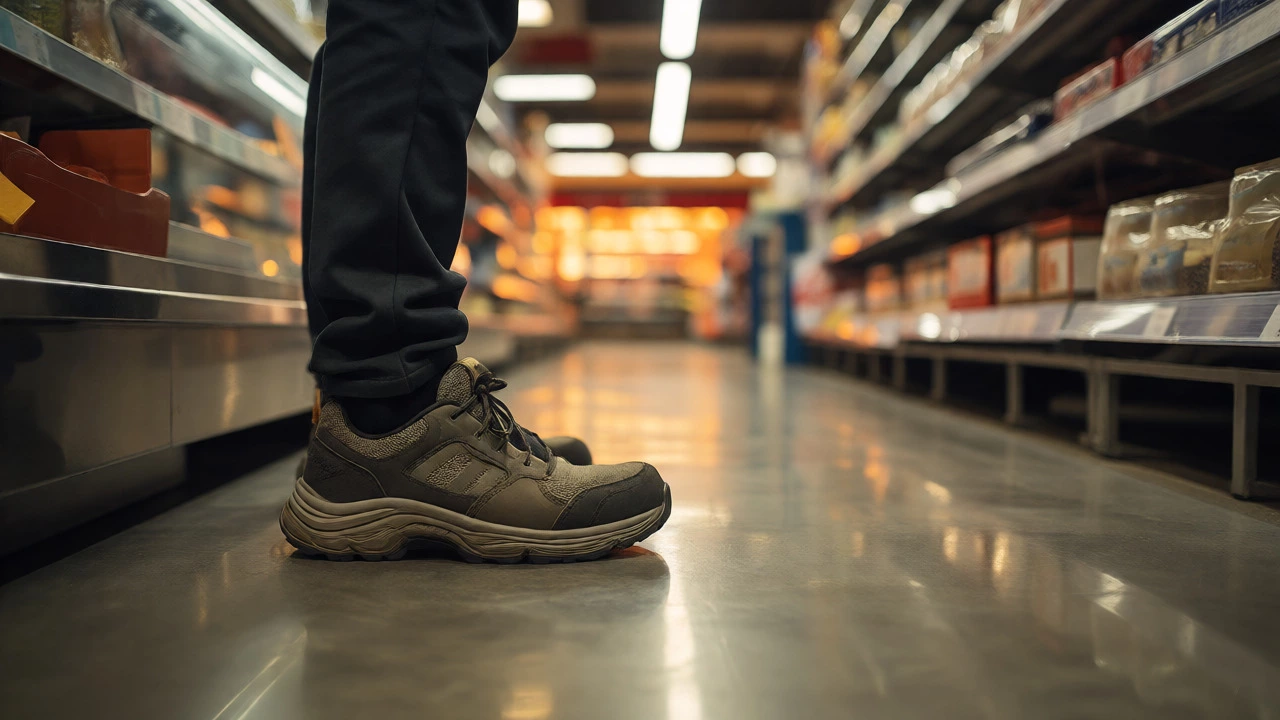
If you spend your shift on your feet-whether you’re behind the counter in a busy Dublin pub, stocking shelves in a Tesco Extra, or working the floor at a hospital in Cork-you know the pain. It’s not just tired legs; it’s that deep, throbbing ache in your lower back and the burning sensation in your heels by 5 PM. Finding the right work shoes is less about fashion and more about survival. In Ireland, where wet weather can turn any surface into a hazard and long shifts are the norm, your footwear needs to do double duty: keep you dry and keep you upright.
You might think any sneaker will do. But after walking around Grafton Street or navigating the uneven cobblestones near Temple Bar, you realize standard trainers often lack the structural support needed for eight hours of static standing. This guide breaks down exactly what works for Irish workers, cutting through the marketing noise to focus on comfort, durability, and local practicality.
The Reality of Standing on Concrete Floors
Most Irish workplaces, from retail stores in Dundrum Town Centre to warehouses in Naas, feature hard flooring. Concrete and tile don’t give way under pressure. When you stand still, blood pools in your legs, and your joints take the full brunt of your body weight without the natural shock absorption that happens when you walk. If your shoes have thin soles, you’re essentially standing on a plank of wood.
To combat this, you need two things: cushioning and arch support. Cushioning absorbs impact, while support keeps your foot aligned so your knees and hips aren’t compensating. Many people make the mistake of buying the softest shoe they can find. Too much squishiness feels great for ten minutes but causes fatigue over eight hours because your muscles work harder to stabilize your foot. You want firm, responsive foam-not marshmallow-soft memory foam.
Key Features to Look For
When shopping in Irish stores like Brown Thomas, Arnotts, or even online via ASOS or Amazon UK (which delivers quickly to most parts of Ireland), ignore the style first. Check these specs instead:
- Arch Support: If you have flat feet, look for motion control. If you have high arches, you need extra cushioning in the midsole. Custom orthotics are an option, but many modern work shoes now come with built-in anatomical footbeds.
- Wide Toe Box: Your toes need room to splay. Tight toe boxes restrict circulation, which is already compromised when standing. Brands like Altra or certain models from New Balance offer wider fits that prevent bunions and numbness.
- Non-Slip Outsoles: This is critical in Ireland. Rain makes pavements slick, and kitchen floors are greasy. Look for rubber outsoles with specific tread patterns designed for wet surfaces. Avoid smooth leather soles unless you have a rug to stand on.
- Breathability vs. Waterproofing: If you work indoors, breathability matters to prevent sweaty feet. If you’re outdoors or in a cold storage unit, waterproofing is key. Gore-Tex lining is the gold standard here, keeping rain out while letting sweat vapor escape.
Top Shoe Types for Irish Workers
Not every job requires steel-toe boots, but some do. Let’s break it down by sector, as the requirements vary significantly across Ireland’s industries.
| Shoe Type | Best For | Pros | Cons | Popular Brands in Ireland |
|---|---|---|---|---|
| Ergonomic Sneakers | Retail, Hospitality, Office | Lightweight, good cushioning, casual look | Less durable, poor water resistance | Hoka, Brooks, Skechers |
| Clog-style Shoes | Nursing, Healthcare, Kitchens | Easy on/off, washable, excellent arch support | Can slip off if too loose, limited ankle support | Birkenstock, Crocs Professional, Dansko |
| Safety Boots | Construction, Warehousing, Manufacturing | Steel/composite toe protection, rugged sole | Heavy, hot, expensive | Ariat, Timberland Pro, Caterpillar |
| Supportive Flats | Customer Service, Reception | Professional appearance, compact | Often lack sufficient cushioning for 8+ hours | Vionic, Clarks, Rieker |
The Case for Clogs in Healthcare
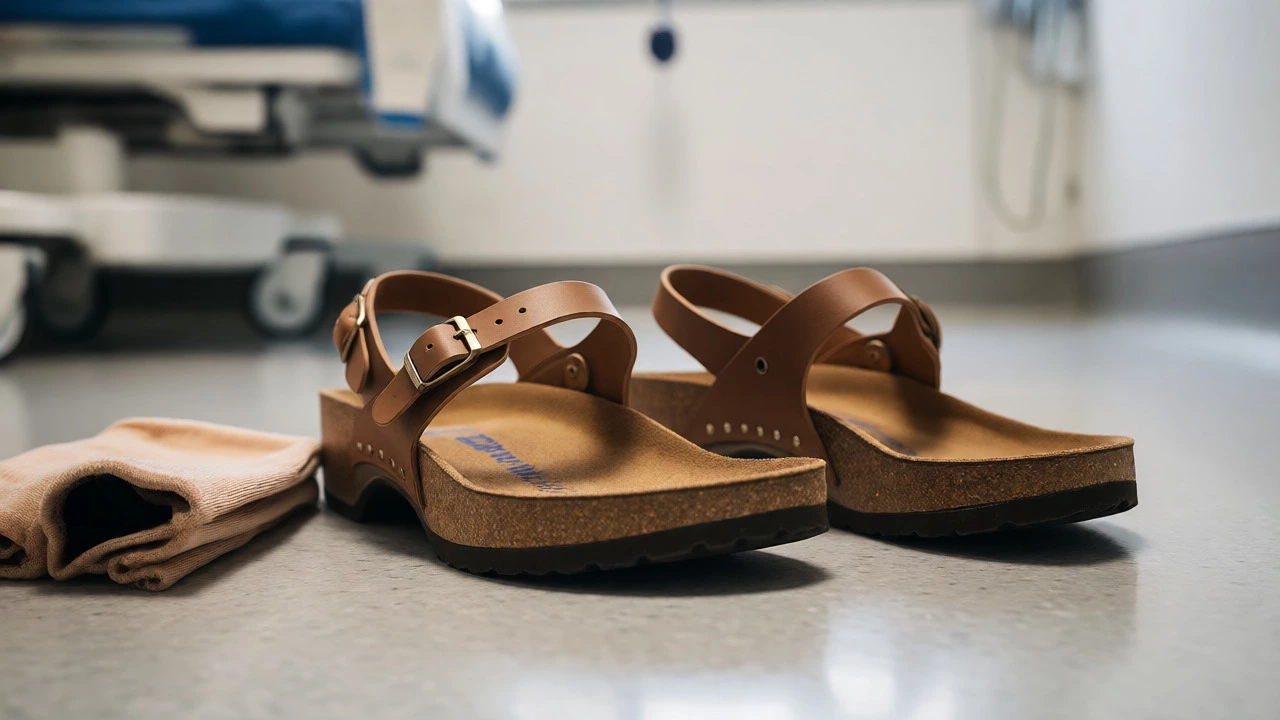
Nurses in Irish hospitals, such as those at St James’s Hospital in Dublin or University Hospital Galway, swear by clogs. Why? Because hygiene is paramount. You can wipe them down with disinfectant between patients. Modern versions, like the Birkenstock Boston or specialized medical clogs, have cork footbeds that mold to your foot shape over time. They provide rigid support that prevents the foot from collapsing inward, reducing strain on the plantar fascia. Just ensure they have a heel strap if you’re moving quickly between wards.
Why Safety Boots Are Evolving
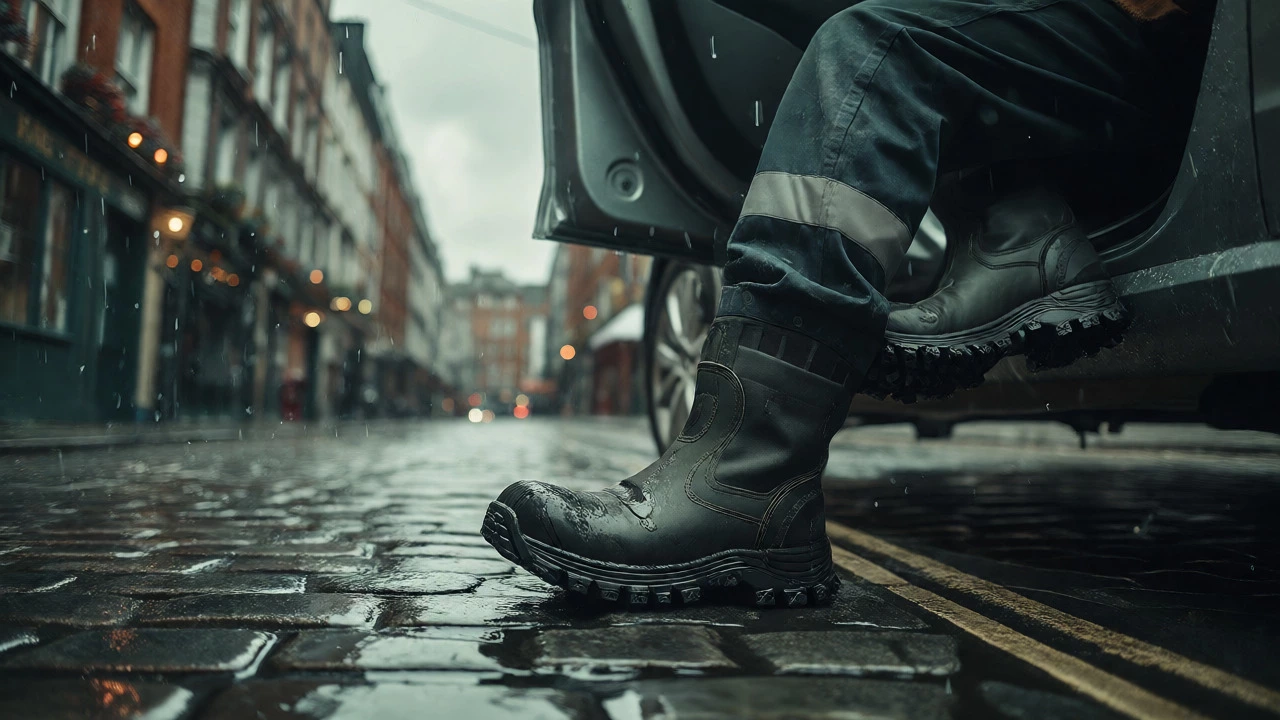
Gone are the days of clunky, heavy safety boots that felt like lead weights. Irish construction sites and logistics hubs in Shannon require protective footwear, but brands have adapted. Composite toe caps are lighter than steel and don’t conduct cold-a huge plus during Irish winters. Look for boots with "anti-fatigue" insoles specifically marketed for prolonged standing. Ariat, known for equestrian gear, has made significant inroads into the industrial market with their Rebound technology, which returns energy with each step.
Dealing with Irish Weather and Surfaces
You cannot separate work footwear from the environment. In Ireland, you’re likely walking from your car to your workplace on wet tarmac or pavement. If your shoes get soaked during the commute, they’ll stay damp all day, leading to blisters and fungal issues.
Consider having a "commute pair" and a "work pair." Keep a lightweight, waterproof boot or wellington in your locker or under your desk. Change into your supportive indoor shoes once you’re inside. This extends the life of your expensive work shoes and keeps your feet dry. If you work in hospitality, spills are inevitable. A dark-colored, stain-resistant upper material like nubuck or treated synthetic leather is far more practical than white canvas, which shows every coffee drop immediately.
Fitting Tips: The Afternoon Rule
Never buy work shoes in the morning. By the end of the day, your feet swell due to gravity and activity. If you try on shoes at 10 AM and they fit perfectly, they will be too tight by 4 PM. Go shopping in the late afternoon or evening. Wear the same socks you plan to wear to work. If you use compression socks-which many nurses and warehouse workers do to improve circulation-bring them along.
Check the width, not just the length. Stand up when trying them on. Sit doesn’t count. Walk around the store. Do your toes touch the front? There should be about a thumb’s width of space between your longest toe and the shoe tip. If your heel slips when you walk, the shoe is too big or the wrong shape for your foot.
Insoles: The Secret Weapon
Even the best shoe can be improved with a quality insole. Over-the-counter options from pharmacies in Dublin or online retailers like FootBalance can transform a mediocre shoe. Look for insoles with a deep heel cup to stabilize the rearfoot and a metatarsal pad to relieve pressure under the ball of the foot. If you experience pain in the heel, especially first thing in the morning, you might have plantar fasciitis. A rigid arch support insole can help stretch the fascia and reduce inflammation.
Replace your insoles every six months, or sooner if they flatten out. The foam loses its resilience, and you’re back to standing on hard ground.
Where to Buy in Ireland
While online shopping offers variety, trying on shoes is crucial for comfort. Here are some reliable spots:
- Specialist Orthopedic Stores: Places like Comfort Zone in Dublin or similar independent shops in Cork and Limerick often employ staff trained in gait analysis. They can watch you walk and recommend specific structures.
- High Street Chains: Clarks and Rieker have widespread presence in Irish shopping centres. Their "Unstructured" or "SoftWear" lines are decent entry points for budget-conscious buyers, though they may not last as long as premium brands.
- Online Specialists: Websites like FitFlop or Vionic ship to Ireland reliably. Check return policies carefully. You need to test them for a few hours at home before committing.
Maintenance Matters
Ireland’s damp climate is tough on leather and fabric. Rotate your shoes if possible. Wearing the same pair every day prevents them from drying out completely, leading to odour and material breakdown. Use shoe trees for leather pairs to maintain shape. Clean mud and salt stains promptly, as road salt used in winter can corrode adhesives and dry out leather.
If you work in a sterile environment, follow cleaning protocols strictly. For outdoor roles, apply waterproofing spray regularly. A little maintenance saves hundreds of euros in replacements.
Final Thoughts on Long-Term Health
Your feet carry you through life. Ignoring discomfort leads to chronic issues like varicose veins, knee arthritis, and lower back pain. Investing in proper footwear isn’t a luxury; it’s occupational health. Start with the basics: support, cushioning, and fit. Listen to your body. If you’re limping by Friday, your shoes are telling you something.
Are running shoes good for standing all day?
Generally, no. Running shoes are designed for forward motion and heel-strike impact. They often lack the lateral stability and rigid arch support needed for static standing. While they feel soft initially, they can cause foot fatigue over long periods. Walking-specific shoes or dedicated work shoes are better choices.
How often should I replace my work shoes?
For someone standing 8 hours a day, expect to replace shoes every 6 to 9 months. Look for signs of wear: flattened midsoles, uneven tread wear, or loss of arch support. If your feet hurt more than usual, the cushioning is likely gone.
Do compression socks really help with standing?
Yes. Compression socks help improve blood flow and reduce swelling in the legs and feet. They are particularly beneficial for healthcare workers and retail staff who stand for long periods. Pair them with supportive shoes for maximum benefit.
What is the best brand for wide feet in Ireland?
Brands like New Balance, Altra, and Keen are known for offering wider widths (2E, 4E). Some Irish specialty stores stock these brands or can order them for you. Always check size charts, as width sizing varies by manufacturer.
Is it worth buying expensive work shoes?
Usually, yes. Premium shoes use higher-quality foams and leathers that retain their shape longer. Cheap shoes break down quickly, forcing you to buy replacements more often. Consider the cost per hour of wear rather than the upfront price.