
Irish Summer Dress Fabric Finder
Ireland's summers are unique—often humid with sudden rain. This tool analyzes your planned conditions to recommend the most comfortable fabric.
Top Recommendation
This fabric offers excellent airflow and quick drying, ideal for your conditions.
Care Tips
- Wash cold or warm.
- Line dry for best results.
Enter your weather details and click "Find Best Fabric" to get personalized advice.
You know the drill. The forecast says twenty degrees, which in Dublin means a rare heatwave. You throw on your favorite summer dress, step out near Grafton Street, and within ten minutes, you are sticking to yourself like a second skin. It is frustrating, especially when you have spent good money on something that looks great but feels terrible.
The truth is, not all fabrics are created equal. In Ireland, our summers are short, unpredictable, and often humid rather than dry-hot. This changes what actually works here compared to someone living in Barcelona or New York. You need materials that breathe fast and dry faster, because one sudden shower off the Liffey can turn a silk blouse into a heavy, clinging mess.
Why Your Fabric Choice Matters More Than Style
Most people buy clothes based on how they look in the mirror. But if you want to survive an Irish summer without feeling overheated, you need to understand thermal conductivity and moisture wicking. Simply put, some fabrics pull heat away from your body, while others trap it against your skin.
Linen is the gold standard here. It is made from flax fibers, which are hollow. These tiny tubes allow air to flow through the fabric, creating a natural cooling effect. Unlike synthetic blends found in many high-street stores on Henry Street, linen does not hold onto sweat. It lets it evaporate quickly. If you have ever worn a cheap polyester shift dress during a festival at Punchestown, you know the misery of non-breathable fabric. Linen avoids that entirely.
| Fabric | Breathability | Drying Speed | Ideal For |
|---|---|---|---|
| Linen | High | Fast | Hot days, casual wear |
| Cotton | Medium-High | Moderate | Versatile daily wear |
| Silk | Medium | Slow | Evenings, mild weather |
| Polyester | Low | Fast (but traps smell) | Rainy days, layering |
Linen: The Unrivaled King of Irish Summers
If you ask any local stylist in Dublin or Cork what the coolest fabric is, they will likely say linen without hesitation. It has been used in Ireland for centuries, partly because flax grows well in our damp climate. Historically, Irish linen was a major export, and there is still a deep cultural appreciation for its texture and durability.
But here is the catch: linen wrinkles. A lot. Some people hate this. They see a creased sleeve and think it looks messy. But in reality, those wrinkles are part of the charm. They signal authenticity. A crisp, wrinkle-free linen dress is usually treated with chemicals that reduce its breathability. Embrace the rumple. It keeps the fabric loose, allowing air to circulate between the cloth and your skin.
When shopping for linen, check the weight. Heavy linen is great for autumn, but for July in Galway, you want lightweight or medium-weight linen. Look for open weaves where you can slightly see light through the fabric. This structure maximizes airflow. Brands like Arnotts or independent boutiques in Temple Bar often stock higher-quality European linens that last longer than fast-fashion alternatives.
Cotton: The Reliable Everyday Hero
Not everyone wants the rustic look of linen. Cotton is smoother, softer, and less prone to wrinkling. It is also more affordable. For most Irish residents, cotton is the go-to for daily summer dresses. However, not all cotton is equal.
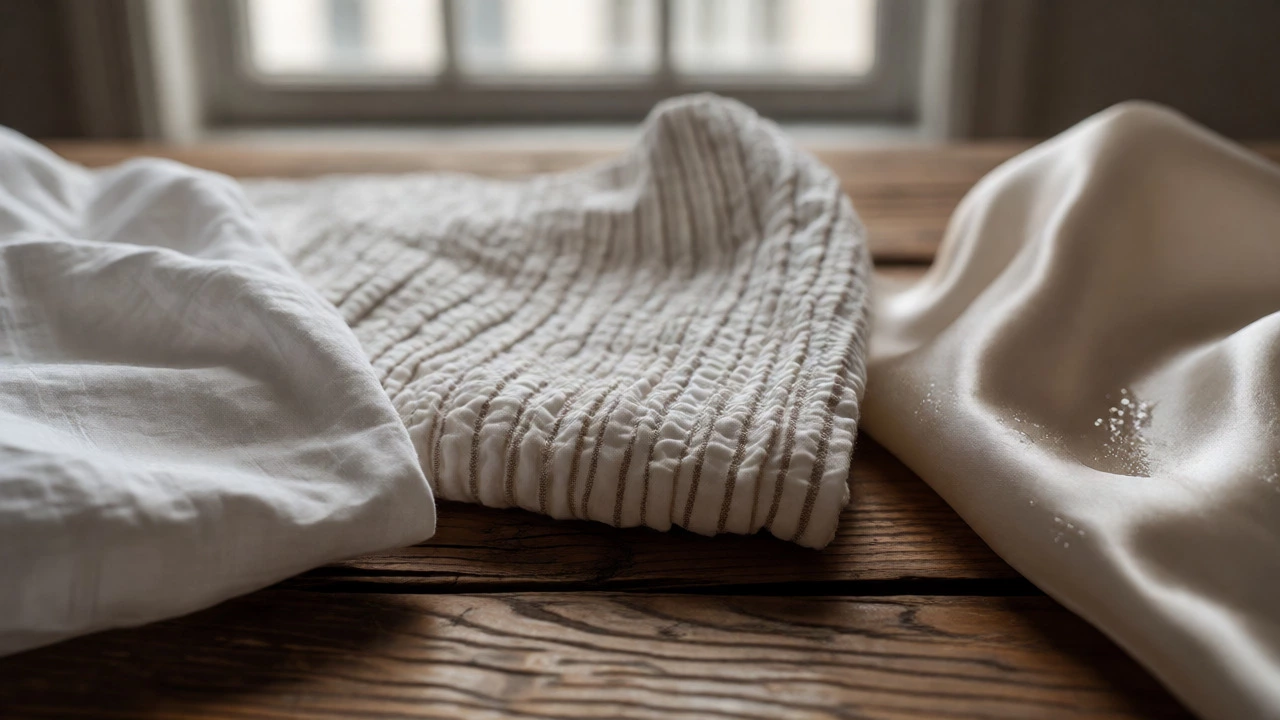
Avoid thick denim or heavy canvas cottons. Instead, look for poplin, voile, or seersucker. Poplin is tightly woven but thin, making it cool and structured. Seersucker has a puckered texture that stands away from the skin, reducing contact area and thus heat transfer. This is brilliant for humid days when the air feels thick and sticky.
One common mistake is buying "cotton-rich" blends. A dress that is 60% cotton and 40% polyester might feel okay in a shop, but once you start moving, the polyester blocks ventilation. Always aim for 100% cotton or blends with very low synthetic content (under 10%). If you are shopping online, read the care label carefully. Do not trust the product title alone.
Silk and Satin: Beautiful but Tricky
Silk feels cool to the touch initially. That is why it is popular for evening wear. But in real-world conditions, silk absorbs moisture and holds it. If you get caught in a drizzle near Phoenix Park, a silk dress can become heavy and clingy. It also stains easily from deodorant or sunscreen, which are essential here given the variable UV levels.
That said, silk is excellent for cooler evenings. Irish nights drop in temperature quickly, even in August. A lightweight silk slip dress layered under a cardigan works perfectly for dinner in Kinsale. Just avoid wearing pure silk on the hottest days unless you are staying indoors with air conditioning.
The Problem with Synthetics in Our Climate
Polyester, nylon, and viscose dominate the market because they are cheap and durable. Viscose (or rayon) is semi-synthetic and derived from wood pulp. It feels silky and drapes well, which makes it tempting. But viscose loses strength when wet and dries slowly. In our damp climate, this means it stays damp against your skin, leading to discomfort and potential odor buildup.
Modern technical synthetics try to fix this with moisture-wicking technologies, often marketed as "performance fabrics." These are great for hiking in Wicklow Mountains, but for a stylish summer dress, they often lack the natural hand-feel of plant-based fibers. Unless you are planning intense physical activity, stick to natural fibers for comfort.

How to Care for Summer Fabrics in Ireland
Caring for these fabrics extends their life and maintains their cooling properties. Linen loves hot water washes and line drying. The sun bleaches stains naturally, which is handy if you spill coffee at a café in Belfast. Ironing linen while damp gives it a crisp finish if you prefer a neater look.
Cotton is easier. Machine wash cold to prevent shrinking, especially if the dress has elastic components. Tumble drying can cause static and shrinkage, so hang it up instead. Given our frequent rain, having a decent indoor drying rack is a must-have investment. Drying outside is risky; one cloud cover can leave clothes smelling musty.
Silk requires gentle handling. Hand wash with pH-neutral soap or use a delicate cycle in a mesh bag. Never wring silk out. Roll it in a towel to absorb excess water, then lay flat to dry. Avoid direct sunlight, which yellows the fibers over time.
Where to Shop for Quality Summer Dresses in Ireland
You do not need to spend a fortune to find good fabrics. High street chains like H&M and Zara carry linen and cotton options, but quality varies wildly by season. Check the labels every time. Sometimes a "linen blend" is only 5% linen.
For better quality, consider Irish brands that focus on sustainable materials. Companies sourcing locally or from Europe often provide transparency about fiber origins. Department stores like Brown Thomas offer curated selections, though prices are higher. For mid-range options, look at boutiques in Dublin’s city center or Galway’s Latin Quarter. They often stock smaller runs of high-quality garments that won’t fall apart after two washes.
Second-hand shops are also a treasure trove. Vintage linen dresses from the 80s or 90s were often made with thicker, more durable flax than modern equivalents. Plus, buying second-hand reduces waste, aligning with growing environmental awareness in cities like Cork and Limerick.
Practical Tips for Staying Cool
Fabric choice is only half the battle. Fit matters too. Tight dresses restrict airflow, trapping heat regardless of material. Choose loose silhouettes: A-line cuts, wrap dresses, or maxi lengths that skim the body. Light colors reflect sunlight, while dark colors absorb it. White, beige, and pastels are practical choices for daytime events.
Consider layering wisely. An Irish summer day can swing from chilly morning to warm afternoon. Carry a light cotton scarf or a denim jacket that you can tie around your waist. This flexibility allows you to adapt without carrying bulky gear.
Is linen really cooler than cotton?
Generally, yes. Linen has superior breathability due to its hollow fibers, allowing better air circulation. Cotton is comfortable but tends to retain moisture longer, which can make you feel clammy in humid conditions.
Can I wear polyester in summer?
It depends on the weave and treatment. Standard polyester traps heat and sweat. However, some modern performance polyesters are designed to wick moisture. For typical summer dresses, natural fibers are usually more comfortable.
How do I stop linen from wrinkling?
You cannot completely stop it, as wrinkling is natural for linen. To minimize it, remove the garment from the dryer immediately, hang it properly, or iron it while slightly damp. Accepting the wrinkles is often the best approach for a relaxed look.
What is the best fabric for rainy summer days?
Tightly woven cotton or blends with a small percentage of elastane can work well. They dry relatively quickly and maintain shape. Avoid silk and heavy viscose, which take long to dry and may stain.
Are expensive fabrics always better?
Not necessarily. Price often reflects brand name rather than fabric quality. Always check the composition label. A reasonably priced 100% cotton dress will outperform an expensive synthetic blend in terms of comfort.