
Irish Weather & UGG Boot Compatibility Checker
Check Your Conditions
Fill out the form on the left to see if it's a good day for UGGs in Ireland.
Walk down Grafton Street on a damp November morning, and you’ll see them. The fluffy-lined, suede-clad UGG boots are still everywhere in Ireland, despite what the trend headlines might tell you. People claim they’re dead, that everyone has moved on to chunky trainers or sleek leather Chelsea boots. But here’s the truth: if you live in Dublin, Cork, or Galway, you probably own a pair. Or at least, you’ve considered buying one when the rain hits sideways and your toes go numb.
The debate isn’t really about whether anyone wears them anymore. It’s about whether wearing them makes you look like you gave up on fashion, or if it’s just smart survival in a country where sunshine is a rare commodity. Let’s break down why this footwear staple refuses to die in the Irish market, how locals actually wear them, and when you might want to swap them out for something else.
Why UGGs Survive the Irish Climate
Ireland’s weather is not kind to feet. We get mild winters by global standards, but we also get relentless drizzle, slush from salted roads, and temperatures that hover around 4-8°C-cold enough to make thin sneakers miserable, but not cold enough for heavy snow boots. This specific climate gap is exactly where UGGs thrive.
UGGs are sheepskin boots originally developed in Australia, known for their dual-layer construction of outer suede and inner wool lining. That wool lining wicks moisture away from your skin while trapping heat. For an Irish commuter walking from a Luas stop to an office in Sandyford, or a student rushing across Trinity College campus, that warmth-to-weight ratio is hard to beat. You don’t need waterproofing if you’re only outside for ten minutes between cars and buildings. And let’s be honest: half the time, we’re driving anyway.
Australian brand UGG (owned by Deckers Brands) launched its classic short boot globally in the early 2000s. By 2010, they were ubiquitous in Ireland. Today, in 2026, they’re no longer "trendy" in the high-fashion sense, but they’ve achieved something more durable: utility status. They’re like the L.L.Bean Bean Boot in America or the Hunter wellie in Britain-they’re practical gear that happens to have a brand name.
The Shift From Hype to Heritage
In 2015, seeing someone in UGGs meant they were following Instagram trends. Now, it means they value comfort over critique. The shift happened gradually. Fast fashion flooded the market with cheap faux-sheepskin knockoffs from Primark and Penneys, which made the original $180+ pairs feel less exclusive. Simultaneously, sneaker culture took over casual wear. Chunky dad shoes, retro runners, and waterproof trail-inspired sneakers stole market share.
But here’s what those critics miss: UGGs aren’t trying to compete with Nike Air Maxes. They serve a different job. When you’re waiting for a bus in O’Connell Street at 7 AM, or standing in a queue for a pub in Temple Bar, you want insulation without bulk. Sneakers get wet and stay wet. Leather boots need polishing and conditioning. UGGs? You kick off mud at the door, toss them in the hallway, and forget about them until next week.
This low-maintenance appeal resonates deeply with Irish work-life balance norms. We don’t do long commutes like Londoners, but we do deal with unpredictable micro-weather. A pair of UGGs handles the walk to the car, the drive to work, and the stroll home from the train station without demanding attention. It’s footwear that fits into a busy life, not one that requires extra effort.
How Irish Locals Actually Wear Them
You won’t see many people pairing UGGs with skinny jeans anymore-that look peaked in 2012. Modern styling in Ireland leans toward relaxed, functional aesthetics. Here’s what you’ll actually spot:
- With wide-leg trousers: Tucking loose linen or wool-blend pants into the boot shaft creates a cozy, put-together vibe. Works well for office casual settings in Dublin tech hubs.
- Over leggings or thermal tights: Still common for weekend errands, especially among parents navigating school runs in suburban areas like Malahide or Ballinteer.
- With midi skirts and thick socks: A growing trend among younger demographics who mix feminine silhouettes with rugged footwear. Think floral dress plus grey wool socks peeking out of brown UGGs.
- As travel wear: Many Irish travelers pack UGGs for flights to colder destinations like Canada or Scandinavia. They’re easy to slip off at security checkpoints and keep feet warm on freezing airport floors.
Notice the pattern? These outfits prioritize ease. Nobody’s posing for street-style photographers. They’re dressing for real life-rain, wind, public transport, and quick transitions between indoor and outdoor spaces.
When Not to Wear UGGs in Ireland
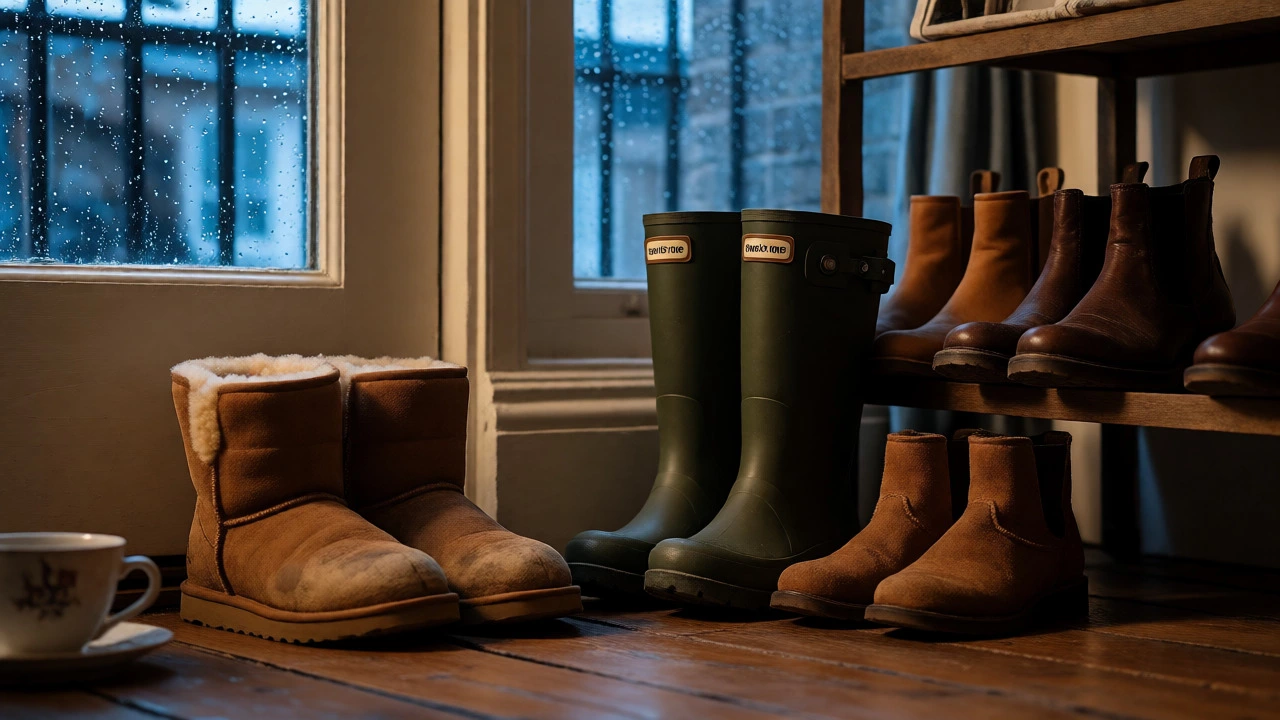
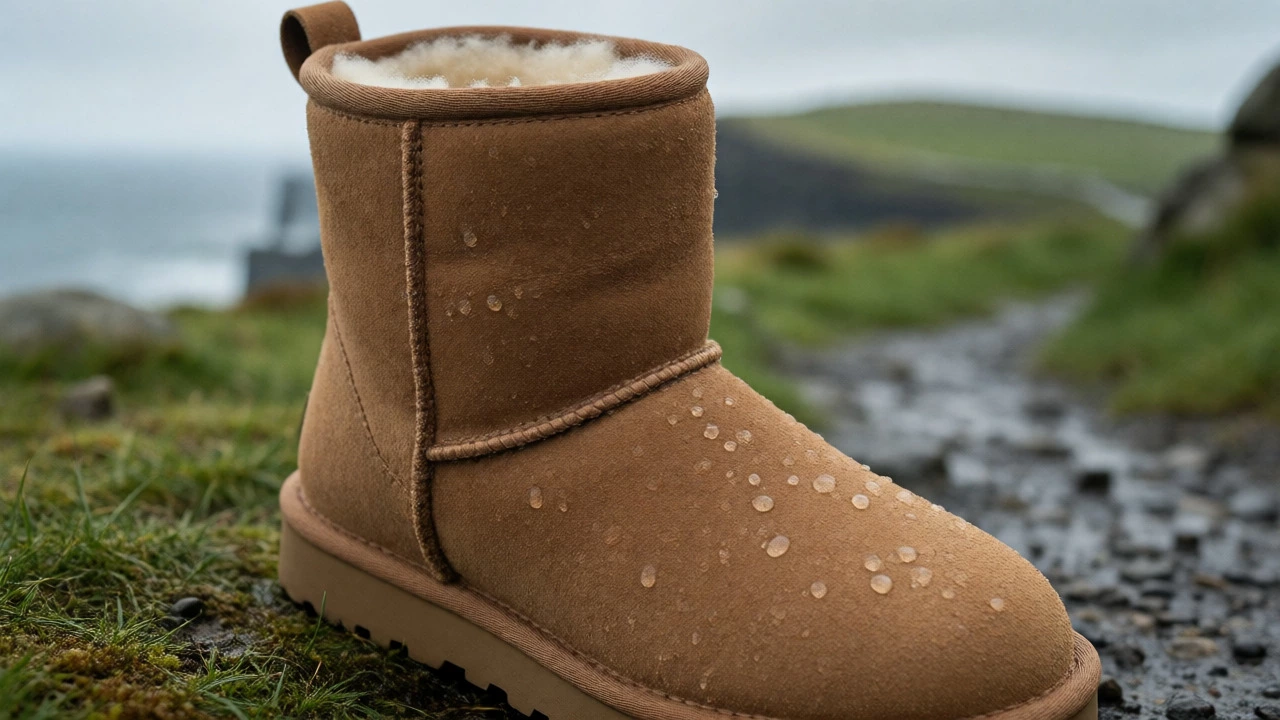
Despite their popularity, UGGs have clear limitations in our environment. Suede absorbs water. If you’re caught in a proper Atlantic storm off Donegal Bay, your boots will soak through within minutes. Wool lining takes hours to dry, leaving you with damp, smelly footwear for days.
Avoid UGGs in these scenarios:
- Heavy rain or sleet: Opt for rubber-soled alternatives like Hunter Original Tall boots or synthetic waterproof hikers instead.
- Long walks on uneven terrain: The flat sole offers minimal arch support. Walking along the Cliffs of Moher in UGGs will leave your feet aching after two kilometers.
- Formal occasions: Unless you’re going for a deliberate ironic look, UGGs clash with suits, dresses, or business attire. Save them for weekends.
- Muddy rural paths: Sheepskin stains easily. If you’re visiting farms in Kerry or hiking Wicklow Mountains trails, choose washable materials.
Irish consumers often own multiple pairs of boots for different conditions. A typical wardrobe might include: one pair of waterproof wellies for garden/work use, one pair of leather ankle boots for city wear, and one pair of UGGs for lounge/casual outings. This rotation extends the life of each item and matches function to forecast.
Beyond the Classic: New Styles Gaining Ground
The brand hasn’t stood still. While the Classic Short remains iconic, newer models address past complaints. The Tazz platform version adds height without sacrificing comfort. The Neumel line uses recycled polyester linings, appealing to eco-conscious buyers in cities like Galway and Limerick where sustainability matters.
| Model | Best For | Price Range (EUR) | Water Resistance |
|---|---|---|---|
| Classic Short II | Daily casual, office commute | €170-€190 | Low (treated suede) |
| Tazz Slipper | Indoor/home use, light errands | €130-€150 | None |
| Maxi Platform | Fashion-forward, taller stature | €200-€220 | Low |
| Neumel Mid | Eco-aware shoppers, lighter weight | €160-€180 | Moderate (synthetic lining) |
Retailers like Brown Thomas and Arnotts stock premium versions, while online platforms offer frequent discounts during Black Friday sales. Local independent boutiques in Dublin’s Docklands sometimes carry limited-edition colors not found in chain stores.
Sustainability and Ethical Concerns
Sheepskin production raises valid ethical questions. Critics point to animal welfare practices in Australia and New Zealand, where most raw hides originate. Irish consumers increasingly ask: Are my boots cruelty-free? Does the tanning process harm waterways?
Deckers Brands claims compliance with strict Australian livestock standards, but transparency varies. Some Irish shoppers opt for vegan alternatives from brands like Emu Australia or local startups using plant-based insulations. Others stick with traditional sheepskin because it lasts years-if properly cared for, a single pair can survive five winters, reducing overall waste compared to disposable fast-fashion boots.
Care tips matter here. Brushing suede regularly prevents matting. Using waterproof spray every season helps repel light rain. Storing boots with shoe trees maintains shape. Neglect leads to premature replacement, which hurts both wallet and planet.
The Verdict: Do Anyone Wear UGGs Anymore?
Yes. Absolutely. Millions do, including plenty right here in Ireland. They’re not worn as status symbols anymore. They’re worn because they work. In a country where comfort often trumps couture, UGGs occupy a sweet spot between loungewear and outerwear. They’re acceptable for grocery runs, coffee dates, and casual Fridays. They’re not appropriate for galas or hikes, but few things are versatile enough to cover all bases.
If you’re debating whether to buy a pair, consider your lifestyle. Do you spend most time indoors? Do you hate cold feet? Do you value convenience over cutting-edge style? Then yes, invest in quality. If you’re outdoorsy, fashion-focused, or environmentally hesitant about animal products, look elsewhere.
The era of UGGs dominating runways ended. The era of UGGs serving everyday needs continues quietly, steadily, and comfortably. That’s not failure-it’s maturity.
Can I wear UGG boots in the rain in Dublin?
You can wear them in light drizzle, but avoid heavy rain. Standard suede UGGs absorb water quickly, leading to soggy interiors and potential damage. Consider applying a silicone-based waterproof spray before the rainy season starts in October. For sustained downpours, switch to rubber wellies or synthetic waterproof boots.
Are UGG boots suitable for walking around Grafton Street?
For short distances, yes. The flat sole provides basic cushioning but lacks arch support for prolonged walking. If you plan to browse shops for several hours, bring backup insoles or limit wear time. For extensive sightseeing tours, athletic sneakers or supportive leather boots are better choices.
How do I clean muddy UGG boots?
Let mud dry completely first, then brush off debris with a suede eraser or soft-bristle brush. For stains, use a mixture of equal parts white vinegar and water applied gently with a cloth. Never machine-wash genuine sheepskin boots unless specified by the manufacturer. Air-dry away from direct heat sources to prevent cracking.
Is there a difference between UGG and other sheepskin boots?
UGG is a brand name owned by Deckers Brands, not a generic term for all sheepskin boots. Other manufacturers produce similar styles, often at lower prices. Quality varies significantly; cheaper versions may use thinner wool or inferior adhesives. Check material composition labels carefully when comparing options.
Should I size up or down in UGG boots?
Sheepskin stretches slightly with wear. Most people fit true to size. If you have wide feet or plan to wear thick socks, consider sizing up half a size. Try them on later in the day when feet are naturally swollen for the best fit assessment.