
The Quick Verdict on Sneakers and Activewear
To put it simply, yes, sneakers are a core component of activewear, but not all sneakers are activewear. It depends entirely on the design and how you use them. A pair of carbon-plated running shoes designed for a 5K in Phoenix Park is undeniably activewear. A pair of vintage leather courts worn to a coffee shop in Galway might be 'sporty,' but they function as casual footwear. The industry calls this blend Athleisure, which is a fashion trend where clothing designed for workouts is worn in other settings. This shift has turned the humble trainer into a versatile tool that fits almost every social scenario in Ireland.
Decoding the Different Types of Athletic Footwear
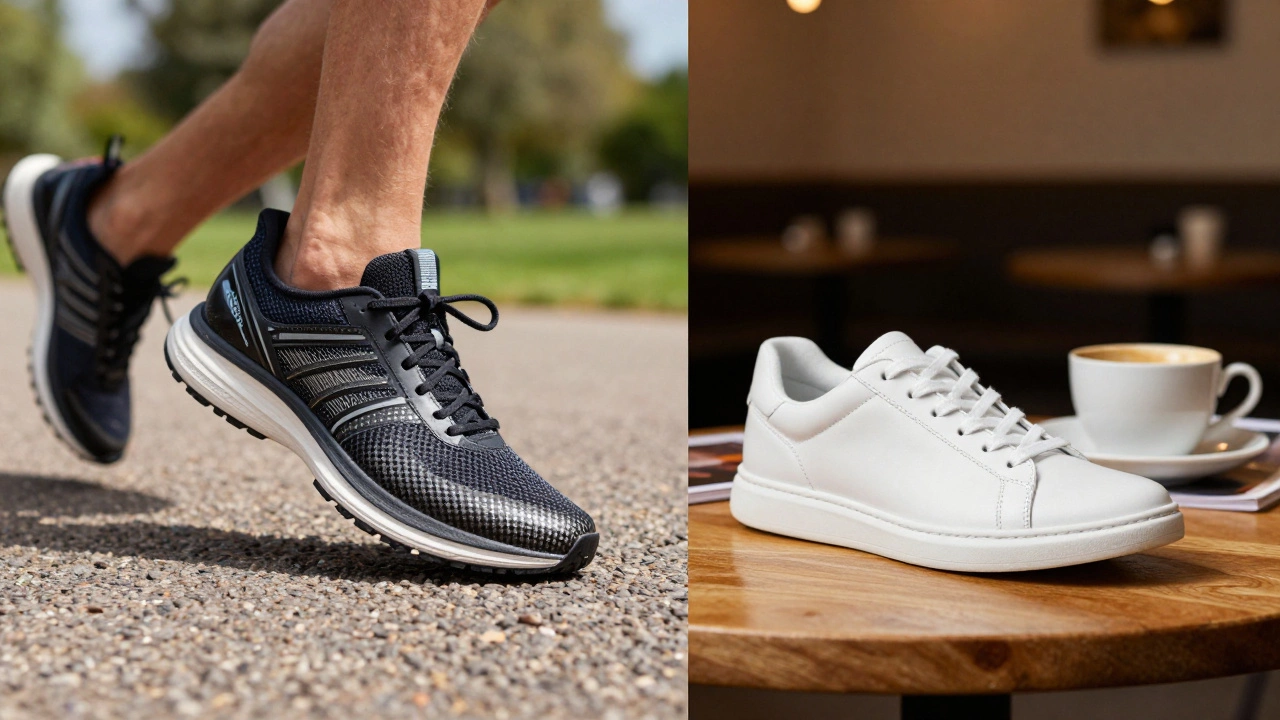
Not all rubber soles are created equal. To understand if your shoes fit the 'active' category, you have to look at the technology inside. For instance, Performance Footwear is built with specific attributes like gait support, moisture-wicking materials, and high-impact cushioning. If you're heading to the gym or hitting the trails at the Wicklow Mountains, you need these technical specs to avoid injury.
Then you have lifestyle sneakers. These often look like gym shoes but lack the technical support. Think of the classic white leather trainer. They look great with a pair of jeans for a casual Friday in an office in Cork, but try running a marathon in them, and your arches will be screaming. The difference lies in the 'value' of the shoe's function: performance sneakers provide stability and energy return, while lifestyle sneakers provide aesthetic appeal and basic comfort.
| Attribute | Performance (Activewear) | Lifestyle (Casual Wear) |
|---|---|---|
| Primary Goal | Athletic achievement & safety | Style & daily comfort |
| Materials | Mesh, Gore-Tex, Synthetic knits | Leather, Suede, Canvas |
| Support | High arch support, ankle stability | Flat soles, basic cushioning |
| Typical Use | CrossFit, Jogging, Football | Brunch, Shopping, Office casual |
The Rise of Athleisure in Irish Culture
Ireland has always had a deep-rooted love for sports, from the obsession with the GAA to the weekend rituals of rugby and soccer. This cultural backdrop made the transition to athleisure feel natural. We've moved away from the strict divide of 'home clothes' and 'going-out clothes.' Now, it's common to see people in Dublin or Limerick pairing a structured blazer with a pair of Running Shoes-which are specialized footwear designed specifically for the mechanics of running-creating a look that says 'I might go for a jog, or I might just be heading to a meeting.'
This trend is driven by the Irish climate. When it's raining (which is most of the time), the practicality of water-resistant activewear and supportive sneakers wins every time. We've seen a massive surge in the popularity of brands that offer 'hybrid' shoes-those that look sleek enough for a pub dinner but have the grip and support for a walk through a muddy field.
When Are Sneakers NOT Activewear?
There is a point where a sneaker crosses the line into pure fashion. Take the high-end designer sneakers seen in luxury boutiques on Henry Street. When a shoe is priced at €800 and made of delicate calfskin, it's no longer activewear. It's a luxury accessory. If the shoe's primary value is prestige rather than performance, it has left the realm of sportswear.
Another example is the 'fashion sneaker'-shoes that mimic the look of 1970s basketball gear. While they are technically based on athletic designs, their current purpose is strictly stylistic. They don't offer the lateral support needed for a modern game of basketball, nor the cushioning needed for a long walk. In these cases, the sneakers are 'sport-inspired' rather than 'sport-functional.'
How to Style Sneakers as Activewear in Ireland
If you want to nail the activewear look without looking like you've just escaped a spin class, balance is key. The Irish approach to this is usually a mix of technical gear and cozy staples. For a day out in Galway, try pairing high-waisted gym leggings with a chunky knit Irish sweater and a pair of clean, neutral-toned trainers. This balances the 'active' element with the 'leisure' element.
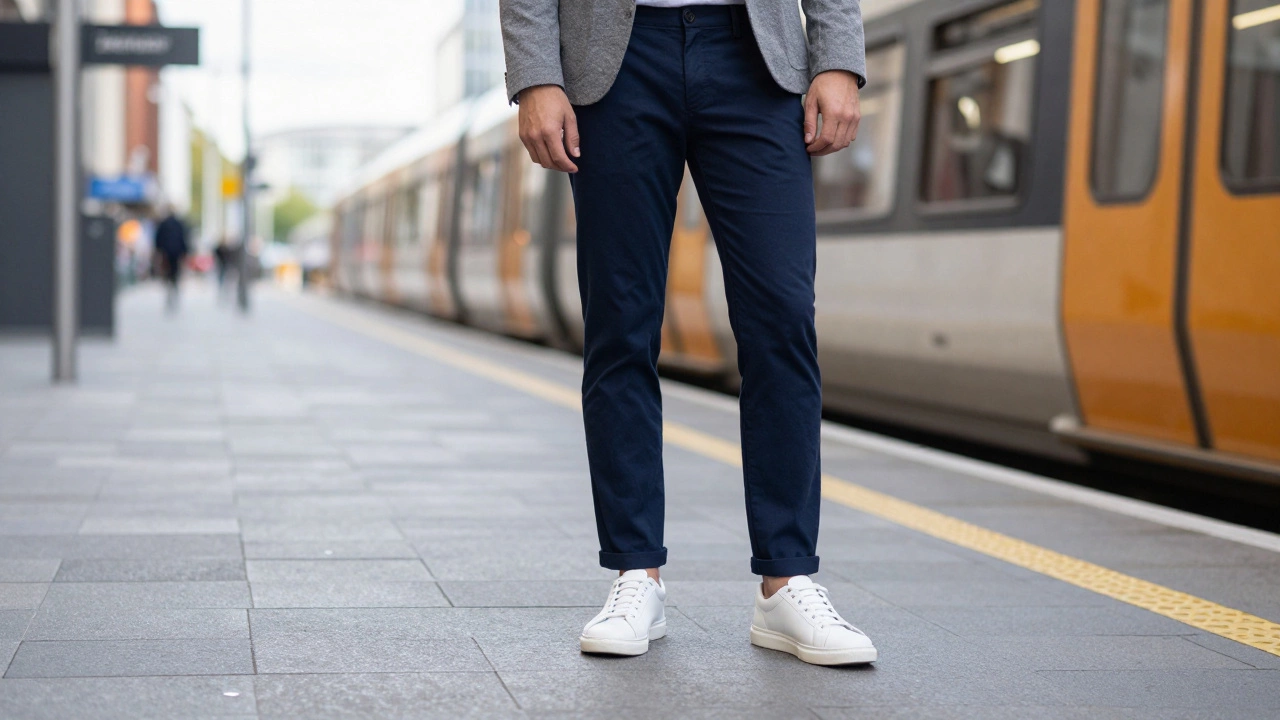
For those in a professional setting, the 'smart-active' look is trending. This involves wearing slim-fit chinos or a pencil skirt with minimalist leather sneakers. The trick is to keep the shoes spotless. A muddy trainer is gym gear; a pristine white trainer is a fashion choice. Many Irish professionals now opt for brands that provide an orthopedic-grade sole but a sleek upper, allowing them to walk from the DART to the office without sacrificing their feet or their professional image.
Choosing the Right Pair for the Irish Landscape
Ireland's geography requires specific choices. If you're spending your weekends in the Ring of Kerry or walking the Giant's Causeway, your 'activewear' sneakers need to be more than just trendy. Look for Trail Running Shoes, which are footwear designed with deeper lugs for grip on uneven and slippery terrain. These are the gold standard of activewear sneakers in Ireland because they handle the mud and rain while remaining breathable.
On the other hand, for city dwellers in Dublin, the focus is on versatility. A pair of knit sneakers is ideal for the commute because they are lightweight and pack easily if you need to change into formal shoes for a presentation. Just remember to treat them with a water-repellent spray-otherwise, one unexpected October downpour will ruin your 'active' look instantly.
Can I wear sneakers to a casual office in Ireland?
Yes, most modern Irish offices accept sneakers, provided they are clean and minimalist. Opt for leather or high-quality synthetic materials in neutral colors like white, black, or navy to keep the look professional.
Are gym shoes the same as sneakers?
Broadly, yes, but 'gym shoes' usually implies a focus on performance and exercise, whereas 'sneakers' is a broader term that includes fashion and lifestyle footwear.
What is the best sneaker for walking in the Irish rain?
Look for sneakers with Gore-Tex or other waterproof membranes. Trail running shoes are especially good as they provide the necessary grip for wet pavements and muddy paths.
Do all sneakers count as athleisure?
Only if they are worn in a non-athletic setting. If you wear them to the gym, it's just sportswear. If you wear them to a café with a casual outfit, it becomes athleisure.
How often should I replace my activewear sneakers?
For active use, most experts suggest replacing running shoes every 500 to 800 kilometers. If the tread is worn down or you feel more impact in your joints, it's time for a new pair.
Next Steps for Your Wardrobe
If you're unsure if your sneakers qualify as activewear, ask yourself: 'Could I comfortably run a mile in these right now?' If the answer is yes, you've got a piece of performance activewear. If the answer is 'I'd probably twist my ankle or ruin the leather,' you've got a fashion sneaker.
For those looking to upgrade, start by analyzing your daily routine. If you spend your time commuting in Dublin, focus on 'hybrid' models. If you're an outdoor enthusiast in the West of Ireland, invest in technical trail gear. Either way, the beauty of the current trend is that you no longer have to choose between looking good and feeling supported.