Irish Sneaker Style & Etiquette Checker
Configure Your Outfit
Ready to Check
Select your options and click check to see how your look fits into the Irish landscape.
- ✓ Select a setting.
- ✓ Choose your footwear.
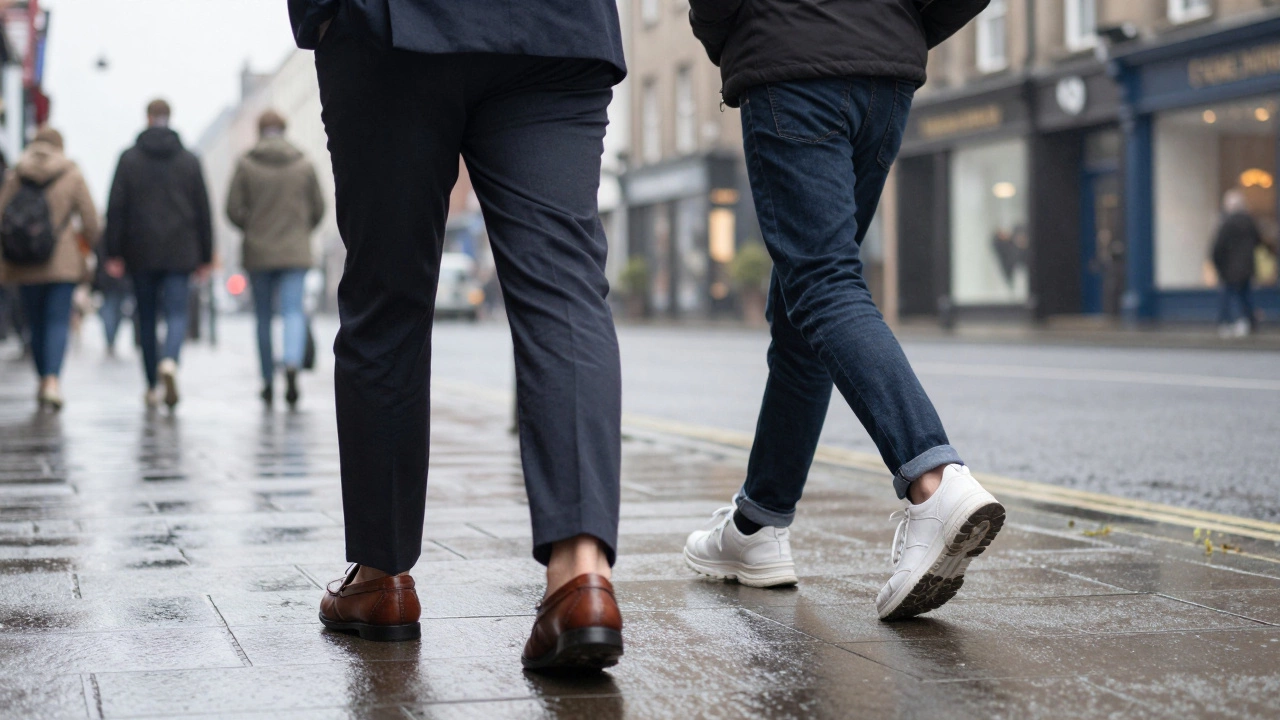
Walk down Grafton Street in Dublin on a Tuesday morning, and you’ll see the real answer to this question. You’ll spot a mix of people heading to meetings at tech hubs in Sandyford wearing crisp loafers, while others stride past with chunky white sneakers and jeans. It’s a visual debate that happens every day across Ireland: are those shoes under your feet actually athletic wear, or have they graduated to something else entirely?
If you’re wondering whether it’s appropriate to wear your running shoes to a pub in Galway or a casual Friday office in Cork, you aren’t alone. The lines between gym gear and everyday fashion have blurred significantly over the last decade. In Ireland, where the weather dictates our layering and our comfort is king, this distinction matters more than you might think.
The Evolution from Track to Town
To understand why we’re asking this, we need to look at how footwear has changed. Twenty years ago, if you wore Nike Air Maxes to a dinner date in Temple Bar, you were likely going for a very specific, slightly risky look. Today, it’s standard. This shift isn’t just an Irish phenomenon; it’s global, but it hits home here because of our unique blend of traditional conservatism and modern urban living.
Sneakers started as performance tools. They were designed for basketball courts, tennis tracks, and marathon training. Their primary job was function: cushioning, support, and grip. Over time, brands realized that the technology making athletes faster could also make commuters more comfortable. The result? A category of shoe that looks like it belongs in a gym but feels like it belongs everywhere else.
Why do so many people in Ireland wear sneakers daily?
It comes down to practicality and culture. With unpredictable rain and extensive walking required to get around cities like Dublin and Cork, comfort is prioritized. Additionally, the rise of remote work and casual dress codes has removed the strict need for formal leather shoes in many professional settings.
Defining the Terms: What Actually Counts as Athletic Wear?
Let’s break down the definitions. Athletic wear is clothing and footwear specifically designed for physical exercise, sports, or fitness activities. This includes items like compression leggings, moisture-wicking t-shirts, and high-performance running shoes with advanced gel cushioning.
Sneakers are shoes with rubber soles and flexible uppers, originally designed for sports but now widely used for casual purposes. While all athletic shoes are sneakers, not all sneakers are athletic wear.
This distinction is crucial. If you’re wearing Hoka Cliftons to run the half-marathon through Phoenix Park, they are athletic wear. If you’re wearing Vans Old Skools to meet friends for coffee in Merrion Square, they are casual footwear. The intent changes the classification.
The Irish Context: Weather, Culture, and Comfort
In Ireland, our geography plays a huge role in what we consider acceptable attire. We don’t have extreme heat or freezing cold for long periods, but we do have dampness. That means waterproofing and durability are often more important than pure aesthetics.
Consider the typical Irish commute. Many people walk significant distances to catch buses or trains. In cities like Limerick or Waterford, cobblestones and uneven pavements are common. A stiff leather brogue might look sharp, but after two hours of walking, it’s a liability. Sneakers offer the flexibility needed for this lifestyle. This practicality has seeped into our social norms. Wearing comfortable, durable shoes is seen as sensible, not lazy.
Furthermore, the Irish pub culture is inherently casual. Whether you’re heading to a local session in Dingle or a busy bar in Belfast (for those crossing the border), the atmosphere is relaxed. No one expects you to be dressed for a boardroom meeting. This cultural acceptance of casualness allows sneakers to thrive in social settings where they might be frowned upon in more formal European capitals like Paris or London.
| Footwear Type | Primary Use | Acceptable in Office? | Acceptable in Pub? | Weather Resistance |
|---|---|---|---|---|
| Performance Running Shoes | Gym/Running | No (usually) | Yes (casual) | Low (mesh breathes wet) |
| Leather Sneakers | Casual/Daily | Yes (smart casual) | Yes | Medium (can be treated) |
| Trainers (Canvas) | Streetwear | Maybe (creative fields) | Yes | Low |
| Hiking Boots | Outdoor/Wilderness | No | Yes (very casual) | High |
Smart Casual: The Grey Area in Irish Offices
One of the biggest questions people ask me is about the workplace. Ireland’s economy has shifted heavily towards tech, finance, and creative industries. These sectors have largely abandoned the strict suit-and-tie rule, especially outside of client-facing roles in banking or law.
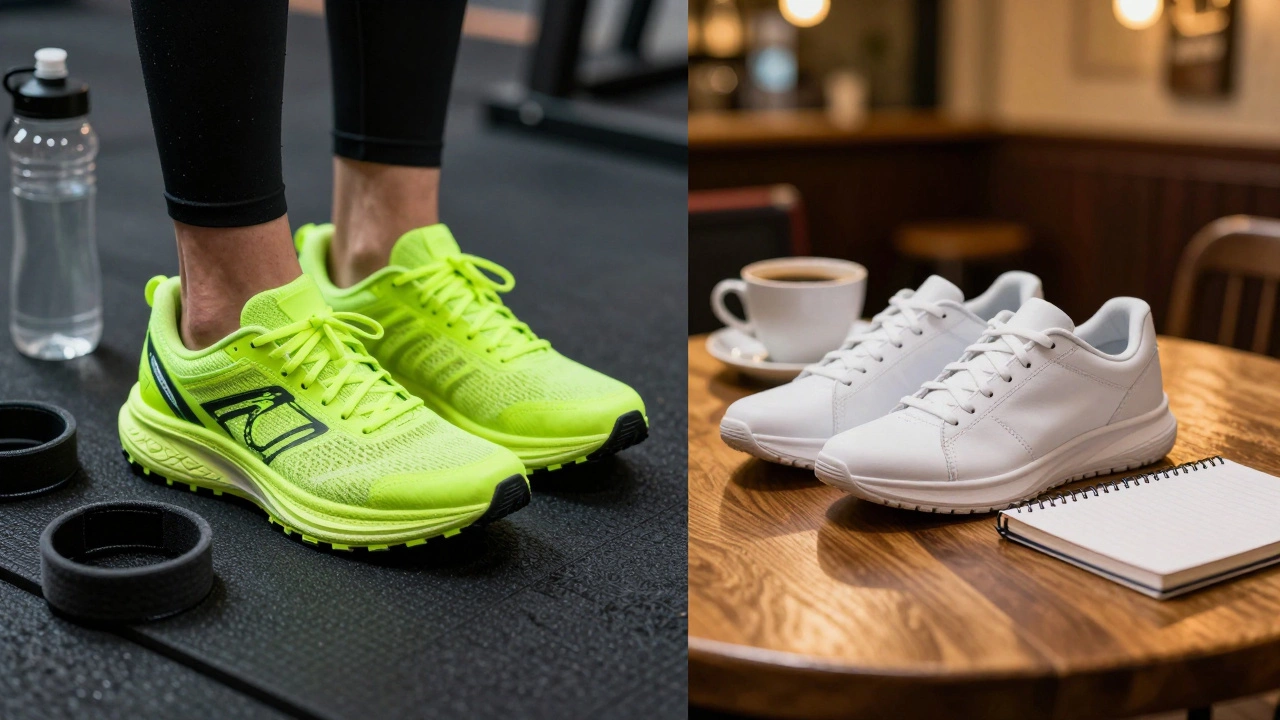
In Dublin’s Docklands or Cork’s Lee Valley Business Park, "smart casual" is the norm. This is where the sneaker debate gets interesting. Can you wear sneakers to work? Yes, but with caveats. Clean, minimalist white leather sneakers paired with chinos or dark jeans are generally accepted. However, bright neon running shoes with thick foam soles? Probably not. They signal "gym," not "professionalism."
The key is context. If you’re presenting to a conservative client in Galway, you might want to swap them for loafers. If you’re coding away in a startup in Blanchardstown, your sneakers are fine. Always observe what your manager wears. If they’re in boots, you can probably get away with sturdy sneakers. If they’re in oxfords, stick to leather.
Local Brands and Global Trends
While global giants like Nike, Adidas, and New Balance dominate the market, there’s a growing appreciation for quality and sustainability in Ireland. Consumers are increasingly looking for brands that align with their values. This includes supporting local designers who incorporate traditional Irish patterns or materials into modern silhouettes.
For example, some Dublin-based boutiques now stock limited-edition collaborations that merge Celtic knotwork with streetwear aesthetics. These pieces blur the line even further. Are they athletic wear? No. Are they sneakers? Yes. They’re fashion statements first, functional footwear second.
Additionally, the rise of online shopping has made it easier for Irish consumers to access niche brands from Europe and beyond. Platforms like ASOS and Zalando deliver to most parts of the country within days, allowing people to experiment with styles without committing to expensive purchases. This accessibility has accelerated the trend of mixing athletic-inspired elements with everyday outfits.
How to Style Sneakers Without Looking Like You Just Left the Gym
If you want to wear sneakers but avoid looking like you’re about to hit the treadmill, follow these simple rules:
- Keep them clean. Scuffed, dirty sneakers look neglected. Clean ones look intentional. In Ireland’s rainy climate, this is harder than it sounds, so invest in a good protector spray.
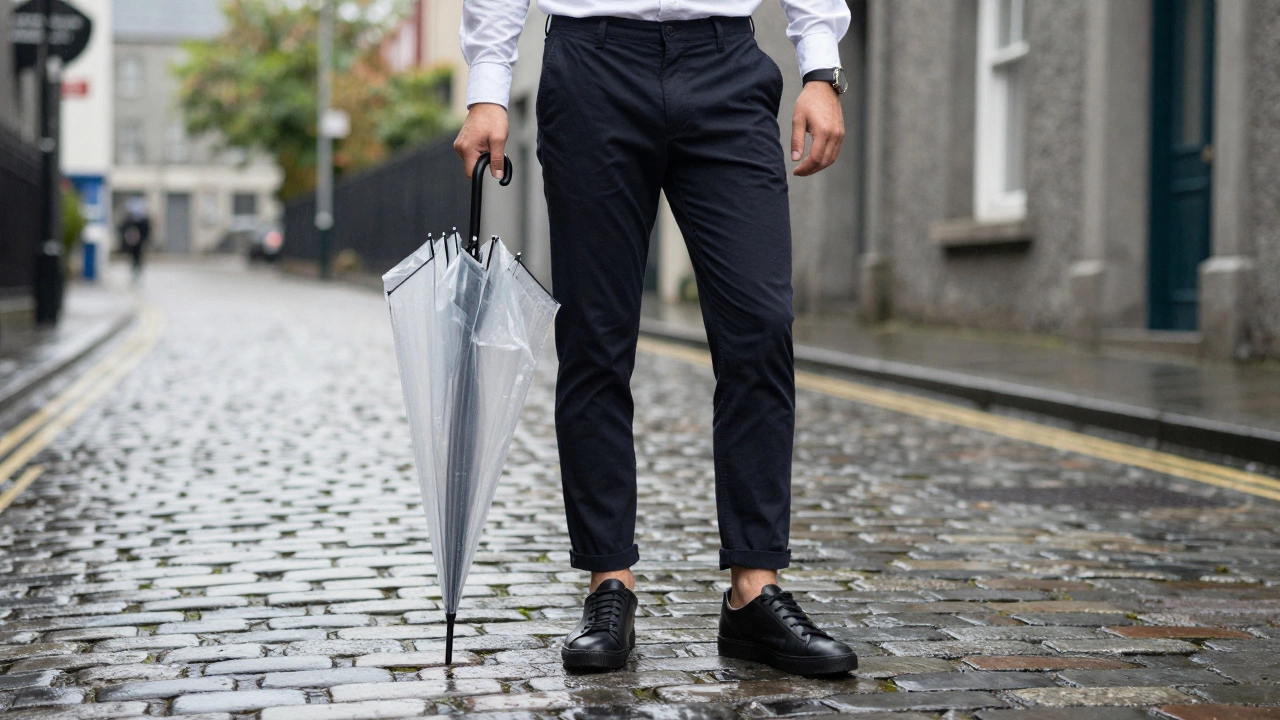
- Match the formality of the rest of your outfit. Pair sleek leather sneakers with tailored trousers. Avoid pairing them with sweatpants unless you’re actually exercising.
- Choose the right color. White, black, and navy are versatile. Bright colors draw attention to the shoe itself, which can undermine a sophisticated look.
- Consider the material. Leather and suede elevate the shoe. Mesh and synthetic fabrics scream "sport."
The Verdict: It Depends on Your Intent
So, are sneakers considered athletic wear? Technically, yes, if they are designed for performance. But culturally, no, not anymore. In Ireland, sneakers have become a staple of everyday life, bridging the gap between function and fashion. They are acceptable in most casual and smart-casual settings, provided they are clean and styled appropriately.
The next time you’re getting ready to head out, ask yourself: am I doing this for performance or for presentation? If it’s for presentation, treat your sneakers as a fashion accessory. If it’s for performance, embrace their athletic roots. Either way, you’re part of a broader trend that values comfort without sacrificing style.
Can I wear running shoes to a wedding in Ireland?
Generally, no. Unless the invitation specifies "casual" or "beach wedding," running shoes are too informal. Opt for dress shoes or elegant flats instead. Even for outdoor weddings, choose stylish leather sneakers rather than technical running gear.
What is the difference between trainers and sneakers in Ireland?
In Ireland, "trainers" is the common term for all types of athletic-style shoes, including both running shoes and casual sneakers. "Sneakers" is understood but less frequently used in everyday conversation. Both terms refer to the same category of footwear.
Are waterproof sneakers available for Irish weather?
Yes, many brands offer waterproof versions of popular sneaker models using Gore-Tex or similar membranes. Look for labels like "GTX" or "Waterproof" when shopping. These are ideal for navigating Dublin’s frequent drizzles without ruining your socks.
Is it rude to wear sneakers to a nice restaurant in Dublin?
It depends on the restaurant. Upscale establishments like The Willows or Chapter One may have a dress code that discourages athletic footwear. However, most mid-range restaurants and gastropubs are perfectly fine with clean, stylish sneakers. When in doubt, check the venue’s website or call ahead.
How do I maintain my sneakers in Ireland’s damp climate?
Apply a water-repellent spray before wearing them outdoors. After exposure to rain, stuff them with newspaper to absorb moisture and let them air dry naturally-never near direct heat. Regularly brush off mud and dirt to prevent staining, especially on canvas or suede materials.