Denim Value Calculator
Find out if those expensive jeans are actually worth it by analyzing their construction and estimating how often you'll wear them.
1. Enter Your Jeans Details
Enter details on the left to see your Cost-Per-Wear and Quality Score.
Estimated Cost Per Wear
€0.00
Based on estimated lifespan
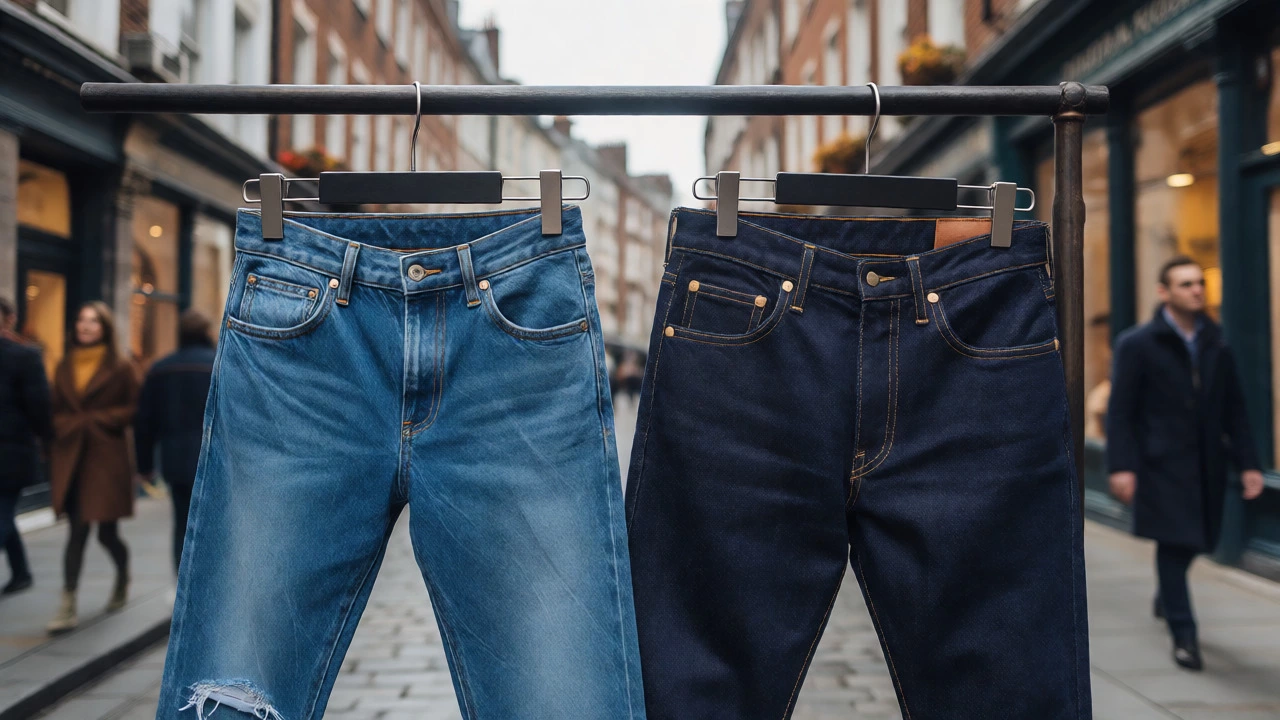
You walk into a store in Dublin’s Grafton Street or browse the online racks at Brown Thomas. You see two pairs of blue denim. One costs €45 from a high-street chain like Penneys or H&M. The other is €220 from a boutique label or a heritage brand like Nudie Jeans. They look similar on the hanger. But are expensive jeans actually better quality, or are you just paying for the logo and the rent in Temple Bar?
This is the million-euro question-or rather, the few-hundred-euro question-for anyone building a wardrobe here in Ireland. With our unpredictable weather, where sunshine might turn to rain before your lunch break, durability matters. You need denim that survives a commute on the Luas, a night out in Cork, and a weekend walk along the Cliffs of Moher without falling apart after three washes.
The Myth of Price Equals Perfection
Let’s be real: price doesn’t always equal performance. If it did, every pair of designer jeans would last forever. They don’t. Many premium brands charge you for marketing, celebrity endorsements, and that fancy leather patch on the back pocket. However, there is a sweet spot. Below a certain price point, corners get cut in ways that affect how the fabric feels and how long the garment lasts. Above a certain point, you’re entering diminishing returns.
In the Irish market, we often lean towards practicality mixed with style. We aren’t chasing trends as aggressively as some global capitals, but we do appreciate value. When you spend over €150 on denim, you should expect specific things: heavier fabric weight, better stitching, and ethical production standards. If you’re paying €200 for thin, stretchy denim that loses its shape after one wear, you’ve been had.
What Actually Makes Denim Good?
To judge quality, ignore the tag for a second. Touch the fabric. Smell it. Check the seams. Here is what separates a €40 pair from a €180 pair in terms of actual construction.
Cotton Sourcing is the foundation. High-end brands often use longer-staple cotton, such as Supima or Egyptian cotton. These fibers are stronger and smoother than the short-staple cotton used in fast fashion. Short fibers break easily, leading to pilling and holes. Long fibers create a fabric that gets softer with age rather than thinner.
Next, look at the Dyeing Process. Cheap jeans are often dyed using synthetic indigo that sits on top of the fiber. It fades unevenly and looks chalky when it wears off. Quality denim uses natural or high-grade synthetic indigo that penetrates the core of the yarn. This allows for "fades"-those beautiful, personalized creases around the knees and pockets that tell the story of how you live. In Ireland, where we spend a lot of time indoors in pubs or offices, these fades develop slowly, making them even more special when they finally appear.
Finally, check the hardware. Are the rivets solid copper or brass? Or are they plastic painted to look metallic? Do the buttons feel heavy? Cheap zippers, especially YKK ones on budget brands, can snag or break. Premium brands often use Riri or Talon zippers, which are smoother and more durable. If you’re buying jeans to last five years, not five months, this detail matters.
The Stretch Factor: Comfort vs. Longevity
This is where many Irish shoppers get tripped up. We love comfort. After a day of sitting on trains to Belfast or standing in queues at Guinness Storehouse, we want flexibility. So, we buy stretch denim (usually containing 1-2% elastane).
Here’s the catch: stretch breaks down. Elastane fibers degrade with heat and washing. A cheap pair of skinny jeans with 3% elastane will bag out at the knees and become loose everywhere else within six months. Once the elastic dies, the jeans are dead. You can’t fix them.
Premium rigid denim (100% cotton) has no elasticity initially. It feels stiff, almost cardboard-like, when new. But it molds to your body. Over weeks of wear, it creates custom fit points. Because there’s no rubber to break, the structural integrity remains intact for years. If you have the patience for the break-in period, rigid denim offers superior longevity. Brands like Levi’s Vintage Clothing or Japanese selvedge makers cater to this niche. While less common in mainstream Irish stores, they are available online or in specialized boutiques in Dublin’s city center.
| Feature | Budget (€30-€60) | Premium (€150+) |
|---|---|---|
| Fabric Weight | Lightweight (8-10 oz), often thin | Heavyweight (12-16 oz), dense weave |
| Elastane Content | High (2-4%) for immediate comfort | Low (0-1%) or zero for structure |
| Stitching | Single needle, may unravel | Double-needle, reinforced stress points |
| Lifespan | 1-2 seasons | 5-10+ years with care |
| Fade Pattern | Uniform lightening, no contrast | High-contrast fades based on wear |
The Environmental Cost in an Eco-Conscious Ireland
Ireland has become increasingly aware of sustainability. From the plastic bag levy that changed our shopping habits decades ago to the current push for circular economy initiatives, we care about waste. Fast fashion jeans contribute massively to landfill. A €30 pair bought at Primark or New Look might be worn ten times and then discarded because the knee blew out or the color faded unattractively.
Premium brands often lead the way in ethical manufacturing. Companies like Nudie Jeans (popular in European cities including Dublin) offer free repairs for life. If you tear a seam in Galway, you can send them back, and they’ll fix it. This model changes the math. Yes, the upfront cost is higher, but the total cost of ownership drops if you keep them for a decade. Plus, knowing your jeans were made in a factory with fair labor practices adds a layer of value that isn’t visible in the stitch count.
When shopping locally, look for certifications like GOTS (Global Organic Textile Standard) or OEKO-TEX. These ensure no harmful chemicals were used in dyeing-a crucial factor if you have sensitive skin, which many people experience due to Ireland’s damp climate interacting with synthetic fabrics.
Where to Shop for Quality Denim in Ireland
If you decide to invest, where should you go? Avoid the trap of thinking all department stores carry the same stock. Here’s a quick guide for navigating the Irish retail landscape.
- Department Stores: Brown Thomas and Arnotts in Dublin stock mid-to-high range brands like Reiss, AllSaints, and sometimes premium Levi’s lines. Good for trying on different fits, though prices are standard retail.
- Specialist Boutiques: Places like Denim Store or independent shops in Dublin’s Docklands often carry raw denim and Japanese imports. Staff here usually know their stuff and can advise on shrinkage rates.
- Online Retailers: ASOS and Next offer wide ranges, but quality varies wildly by supplier. Always read reviews specifically mentioning "durability" or "washing." For serious denim heads, UK-based sites like Selfridges or dedicated denim webshops ship to Ireland, though watch out for customs fees post-Brexit.
- Secondhand & Vintage: Don’t overlook charity shops in towns like Kilkenny or Limerick. You can find vintage Levi’s 501s for under €30. These older pairs are often made from better cotton than today’s equivalents. Just check for moth damage-a common issue in humid Irish storage.
How to Care for Your Investment
You’ve spent €180. Now don’t ruin it in the wash. Most expensive jeans recommend washing sparingly. Some enthusiasts wait six months before the first wash. That’s extreme for most of us, especially if you’re cycling through Dublin traffic or walking in rain. Aim for washing every 10-15 wears.
When you do wash, turn them inside out. Use cold water. Never use the tumble dryer unless you want to shrink them intentionally. Air dry them flat or hang them in a well-ventilated area. Humidity in Ireland means drying takes longer, so plan ahead. Hanging wet jeans can stretch the waistband; laying them flat preserves the shape.
If you buy raw denim, soak them in cold water before wearing to remove excess dye and pre-shrink the fabric. This step prevents those annoying indigo stains on your white sneakers or sofa cushions-a nightmare scenario for any furniture owner.
The Verdict: Is It Worth It?
So, are expensive jeans better quality? Generally, yes, but only if you choose the right type. Paying extra for a brand name alone is a waste. Paying extra for heavyweight cotton, robust construction, and repairable design is smart.
If you change your style every season, stick to the €40-€60 range. You won’t notice the difference in lifespan because you’ll discard them for fashion reasons anyway. But if you want a staple piece that becomes part of your identity-one that fits perfectly after a month of wear and looks better every year-invest in the premium tier.
Think of it like buying boots for the West Coast of Clare. You could buy cheap shoes that leak after two rainy days, or you could buy proper leather boots that last a lifetime. Denim is similar. In a country where we value resilience and character, a pair of jeans that ages gracefully feels right at home.
Do expensive jeans really last longer than cheap ones?
Yes, typically. Premium jeans use denser cotton and stronger stitching, resisting tears and shape loss. Cheap jeans often rely on elastane, which degrades quickly, causing the garment to lose its fit within a year. However, this assumes you care for them properly.
Is raw denim worth buying in Ireland’s damp climate?
Raw denim can be tricky in damp climates because it holds moisture and takes longer to dry. It also shrinks slightly when exposed to humidity. If you live in a very wet area like Kerry or Connemara, consider sanforized raw denim (pre-shrunk) or opt for high-quality rigid denim that has already been washed once to stabilize the size.
Which jeans brands offer good value in Ireland?
Levi’s offers consistent quality across price points, especially their 501 Original Fit. Nudie Jeans provides excellent sustainability credentials and free repairs. For local options, check out Irish-made labels or curated selections at boutiques in Dublin and Cork. Avoid ultra-fast-fashion brands for long-term wear.
How often should I wash my expensive jeans?
Every 10 to 15 wears is ideal for preserving color and fabric integrity. Spot clean minor stains immediately. When washing, use cold water and mild detergent, and avoid the tumble dryer to prevent shrinkage and elastane breakdown.
Can I return expensive jeans if they don't fit?
Most reputable retailers in Ireland, such as Brown Thomas or independent boutiques, allow returns within 14-30 days provided tags are attached. Online purchases generally fall under EU distance selling regulations, giving you 14 days to cancel. Always check the specific policy for sale items.