Activewear vs Sportswear Selector
Select your primary activity below to get a tailored recommendation based on the distinction between performance engineering (Sportswear) and lifestyle comfort (Activewear).
What are you doing?
Select an Activity
Choose an option on the left to see the recommended category.
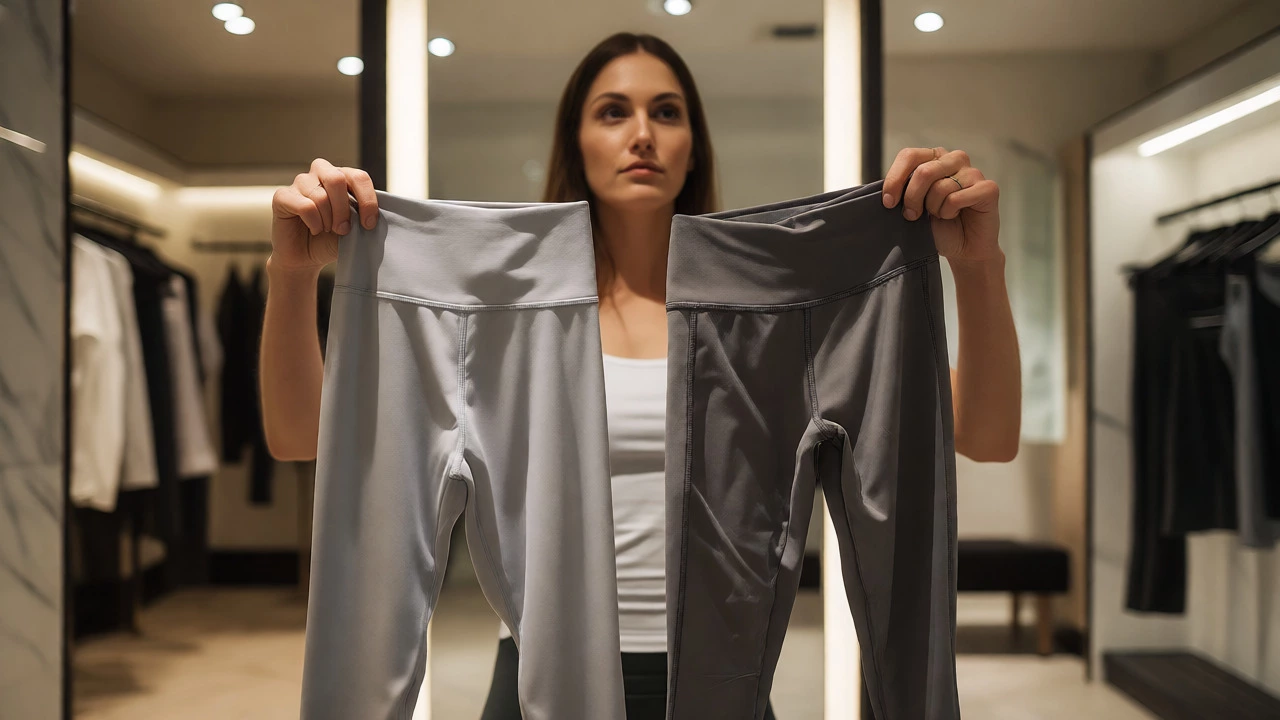
You’re standing in a changing room at Brown Thomas on Grafton Street, holding two identical-looking pairs of leggings. One tag says activewear and the other says sportswear. You feel a bit silly asking the assistant if there’s actually a difference, but here is the truth: while people use these terms interchangeably in Dublin coffee shops, they refer to distinct categories with different engineering goals. In the Irish market, where weather dictates wardrobe choices more than fashion trends often do, understanding this distinction saves you money and keeps you comfortable whether you’re running along the Royal Canal or doing yoga in your living room.
The Core Distinction: Performance vs Lifestyle
Think of it this way: sportswear is designed for high-intensity physical activity where performance metrics matter-think moisture-wicking, compression, and durability under stress. It’s what you wear when you’re sweating buckets at a CrossFit box in Cork or cycling through the Wicklow Mountains. Activewear, on the other hand, is engineered for low-impact movement and everyday comfort. It’s the bridge between your pajamas and your work clothes. If you’re walking your dog in Phoenix Park or heading to a casual brunch in Ranelagh, activewear is your go-to.
The confusion stems from marketing. Brands love to blur the lines because "athleisure" sells. But functionally, the fabrics differ. Sportswear prioritizes technical features like ventilation zones and sweat management. Activewear prioritizes softness, stretch, and style. Wearing heavy-duty sportswear to a café can look overly intense; wearing thin activewear to a HIIT class might leave you feeling exposed and damp.
| Feature | Activewear | Sportswear |
|---|---|---|
| Primary Purpose | Comfort, light movement, lifestyle | High-performance training, competition |
| Fabric Type | Cotton blends, modal, soft knits | Nylon, polyester, spandex, mesh |
| Moisture Management | Moderate (may retain some sweat) | High (quick-dry technology) |
| Durability | Lower (prone to pilling) | High (abrasion-resistant) |
| Best For | Yoga, Pilates, walking, errands | Running, cycling, gym, team sports |
Fabric Technology: Why Your Irish Rain Matters
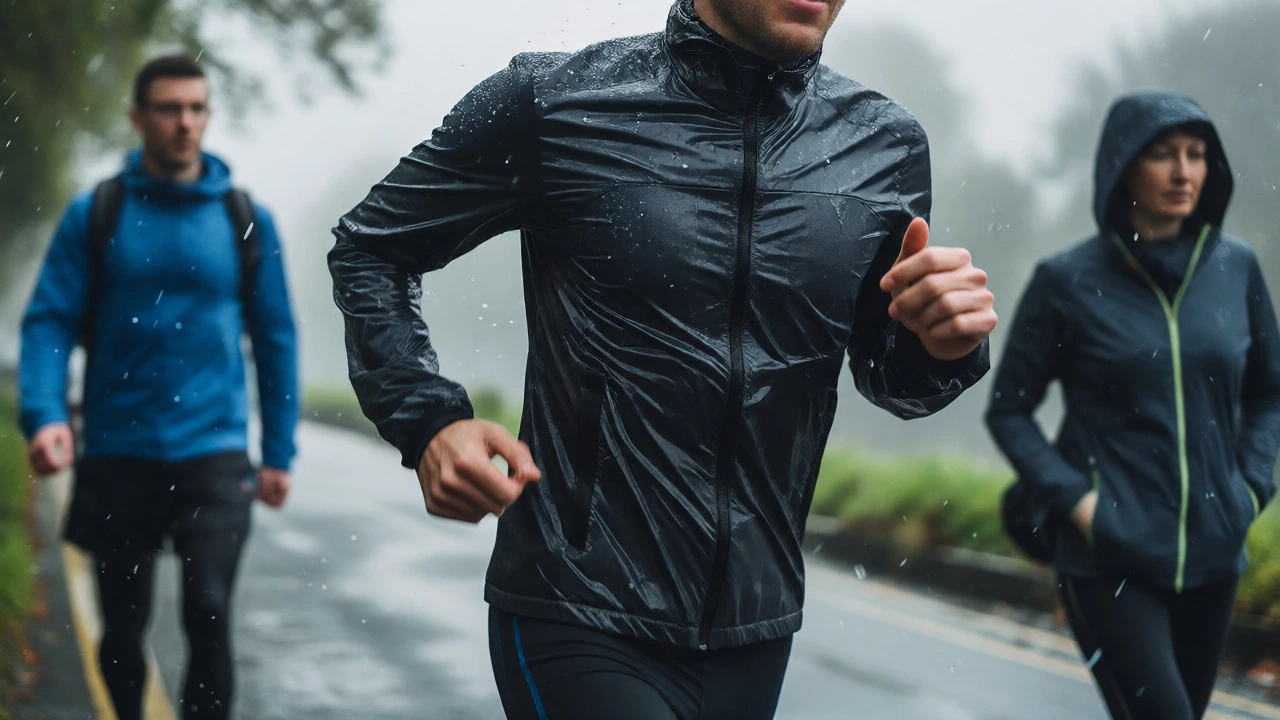
Living in Ireland means dealing with rain that doesn’t ask permission. This impacts fabric choice significantly. True sportswear uses synthetic fibers like polyester and nylon because they don’t absorb water easily. They dry fast. If you’re caught in a shower while jogging near the Grand Canal Dock, a proper sports top will shed the water and dry within minutes. Activewear, especially those made with cotton blends or softer natural fibers, absorbs moisture. Once wet, it stays wet. That’s great for a cozy Sunday morning, but terrible if you’re trying to stay warm during a windy walk along the Cliffs of Moher.
Brands like Nike and Adidas clearly separate their lines. Their "Dri-FIT" or "Climacool" ranges are sportswear. Their "Essentials" or lifestyle collections are activewear. When shopping in stores like Sports Direct or JD Sports in Dublin city center, check the care label. If it mentions "wicking" or "breathable," it’s likely sportswear. If it highlights "soft touch" or "cotton-rich," it’s activewear.
When to Wear What: Real-Life Irish Scenarios
Let’s break down specific situations common in Ireland to help you decide which category fits your needs.
- The Commute: If you cycle to work in Galway or take the Luas in Dublin, wear sportswear. The wind chill and potential rain demand quick-drying materials. Activewear will leave you shivering in the office air conditioning.
- Gym Classes: Attending a spin class at PureGym? Stick to sportswear. The intensity generates significant heat and sweat. Activewear lacks the structural support needed for high-impact movements, leading to discomfort and chafing.
- Weekend Walks: Heading to Killarney National Park for a leisurely hike? Activewear works well here. You want comfort over long distances without the restrictive feel of compression gear. Just ensure it has some weather resistance if the forecast looks grim.
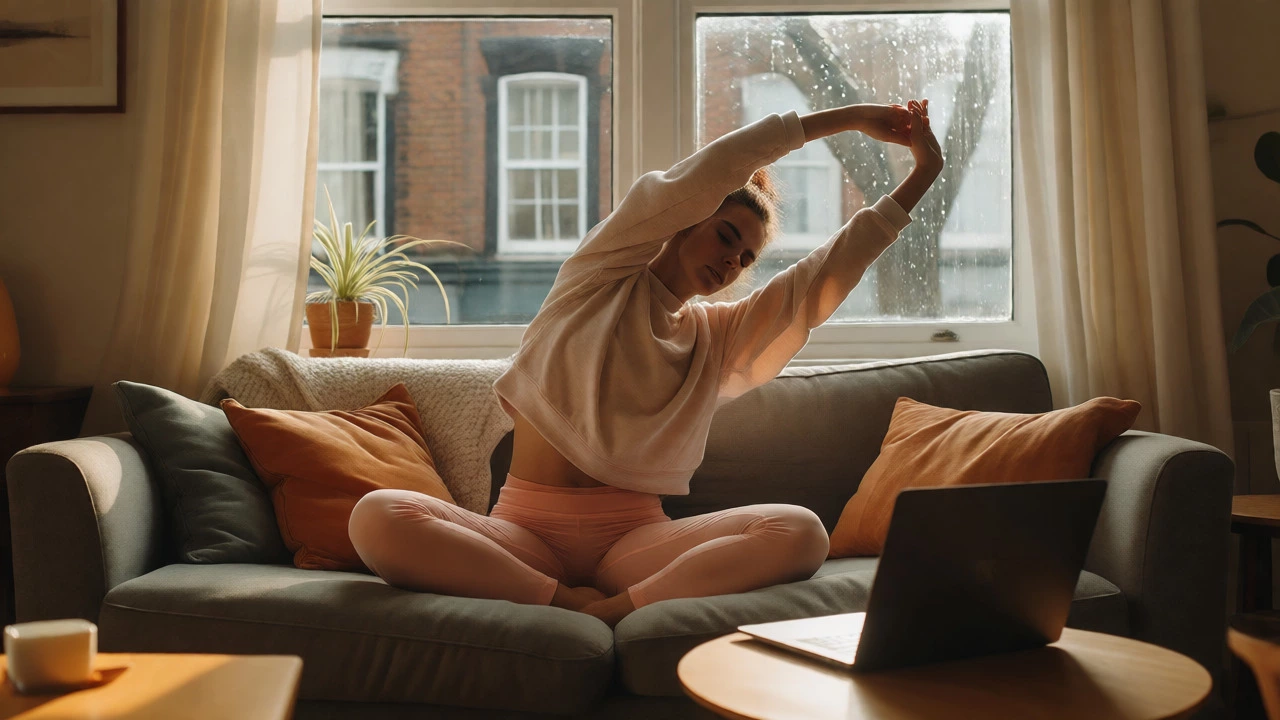
- Work From Home: Many Irish professionals now work remotely. Activewear shines here. It looks professional enough for a Zoom call with a blazer thrown over it, yet feels as comfortable as loungewear. Sportswear can look too athletic for a client meeting unless your workplace culture is very casual.
Price Points and Value in the Irish Market
Expect to pay a premium for genuine sportswear due to the advanced textile engineering involved. A high-quality pair of running tights from Lululemon or Under Armour can cost €80-€120. These items last years if cared for properly. Activewear is generally cheaper, ranging from €30-€60. However, because the fabrics are softer and less durable, they may lose shape faster after repeated washing.
In Ireland, sales seasons are crucial. The January sales and Black Friday events in November offer significant discounts. Stores like Penneys (Primark) provide budget-friendly options for both categories. While Primark’s sportswear isn’t always top-tier for marathon training, their activewear basics are excellent value for daily wear. Always check return policies, especially online, as fit varies wildly between brands.
Care Instructions: Extending the Life of Your Gear
Irish tap water is soft, which helps preserve fabrics, but washing habits still matter. Sportswear requires gentle cycles and cold water to maintain elasticity. Avoid fabric softeners-they clog the microscopic pores in technical fabrics, reducing their ability to wick sweat. Activewear, being more robust in terms of aesthetic tolerance, can handle slightly warmer washes, but avoid high heat drying to prevent shrinkage.
Store your gear properly. Don’t leave sweaty sportswear balled up in your gym bag overnight; bacteria thrive in damp environments, causing odors that are hard to remove. Hang activewear to keep its shape. For Irish residents dealing with humidity, ensuring clothes are fully dry before storing them prevents mildew, a common issue in older apartments.
Conclusion: Choose Based on Activity, Not Labels
Stop worrying about the tags. Look at what you’re doing. High sweat, high impact? Go for sportswear. Low sweat, high comfort? Go for activewear. In Ireland’s unpredictable climate, having a mix of both ensures you’re prepared for anything from a sudden downpour to a sunny afternoon in the park. Your wardrobe should serve your lifestyle, not confuse it.
Can I wear activewear for running?
You can, but it’s not ideal for long runs. Activewear tends to hold moisture, making you feel cold and heavy once you start sweating. For short jogs, it’s fine, but for serious training, sportswear with moisture-wicking properties is much better.
Is sportswear suitable for work in Dublin offices?
It depends on the office culture. Tech companies and creative agencies often accept smart sportswear. Traditional corporate firms usually prefer activewear that mimics casual trousers or skirts. Avoid shiny, neon-colored sportswear in formal settings.
Why does my sportswear smell worse than activewear?
Synthetic fabrics used in sportswear trap odor-causing bacteria more effectively than natural fibers found in many activewear items. Washing with enzyme-based detergents and avoiding fabric softener helps reduce this issue.
Are expensive brands worth it for activewear?
Not always. For basic comfort, mid-range brands like Decathlon or Uniqlo offer excellent quality. Expensive brands often charge for brand prestige and minor aesthetic details rather than significant functional improvements in non-performance contexts.
How do I choose the right size for Irish weather?
Layering is key. Choose activewear that fits snugly but allows movement, so it works under coats. For sportswear, ensure it’s tight enough to support muscles but loose enough to allow airflow. Check size charts carefully as European sizing differs from US sizing.