Shoe Size Converter
Convert Your Shoe Size
Ireland uses UK shoe sizes while the US uses different sizing. Enter your size to see the equivalent US size.
Note: US sizes are approximately 0.5 size smaller than UK sizes
Why the Difference?
Irish and British sizes (UK) are based on the Brannock Device. US sizes are slightly smaller and calculated differently. A UK size 8 = US size 7.5 is a common conversion.
When shopping online, always check size charts as brands vary. Nike typically runs narrow while Clarks fits true to size.
In Ireland, we’ve always called them trainers. Whether you’re jogging around the Phoenix Park, sprinting to catch the 8:15 bus from Heuston, or walking the cliffs of Moher in a pair that’s seen better days, the word trainers is as natural as a cup of tea with a splash of milk. But if you’ve ever watched an American movie, scrolled through Instagram from a US follower, or ordered shoes online and been confused by the label ‘sneakers,’ you’ve probably wondered: why do they call them that?
The Origins of ‘Sneakers’
The term ‘sneakers’ didn’t come from athletes trying to be quiet-it came from actual quietness. Back in the late 1800s, rubber-soled shoes were a new invention. Unlike the clunky leather soles of traditional shoes, rubber soles let you walk without making noise. Kids in Boston started calling them ‘sneakers’ because you could ‘sneak’ around in them without being heard. By the 1900s, the name stuck in the US, even as the shoes became popular for sports, school, and streetwear.
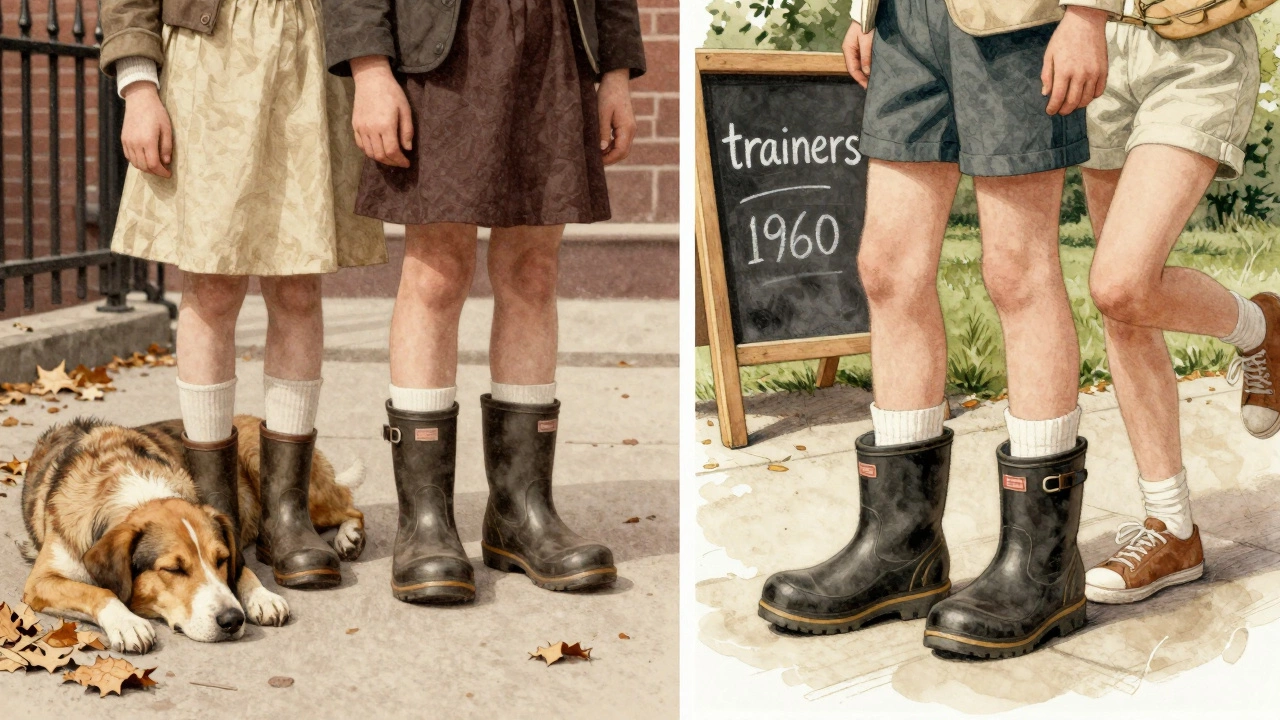
Meanwhile, across the Atlantic, the British Isles-including Ireland-were developing their own naming habits. In the UK, the word ‘trainer’ was already in use for footwear designed to train or exercise in. It wasn’t just about walking quietly; it was about function. These were shoes for physical activity, not just casual wear. So when rubber-soled shoes arrived in the 1950s and 60s, the term ‘trainers’ naturally took root here.
Why ‘Trainers’ Stuck in Ireland
Ireland’s relationship with footwear has always been practical. Our weather doesn’t give us much choice. Rainy days, muddy fields, and cobblestone streets in Galway or Dingle demand sturdy, grippy soles. The term ‘trainers’ reflects that no-nonsense approach. You don’t buy them to look cool-you buy them to survive the walk from the bus stop to the local Spar in Clondalkin without slipping.
Even our brands reflect this. While American kids might wear Nike Air Jordans or Adidas Yeezys, Irish teens in Cork or Limerick are just as likely to be rocking a pair of Clarks Originals, Geox, or Superdry trainers bought from Dunnes Stores or the local shoe shop on O’Connell Street. These aren’t status symbols-they’re workhorses. And they’re called trainers because that’s what they’re for: training your feet to handle the Irish climate.
How the Terms Are Used Today
Today, you’ll still hear ‘trainers’ in every Irish school, gym, and pub. Ask someone in Dublin 4 what they’re wearing and they’ll say ‘trainers.’ Ask someone in Chicago the same thing and they’ll say ‘sneakers.’ Neither is wrong. It’s just geography.
But here’s the twist: younger Irish people are starting to hear ‘sneakers’ more often. Thanks to global streaming, TikTok trends, and online shopping, American terms are creeping in. You might see an ad for ‘limited-edition sneakers’ on Instagram and think, ‘Oh, those are just my old trainers.’ But when you go to buy them, the website says ‘sneakers’-and suddenly, you’re confused.
It’s not just language-it’s identity. When you say ‘trainers,’ you’re not just naming a shoe. You’re saying you’re from a place where practicality beats branding. Where your shoes are more likely to be covered in mud from a walk in the Wicklow Hills than posing for a photoshoot.
What Happens When You Shop Online?
If you’ve ever ordered shoes from Amazon US or Zappos, you’ve probably run into this: you search for ‘trainers’ and get zero results. You try ‘sneakers’-and suddenly, hundreds of options pop up. It’s frustrating. You’re not looking for a fashion statement-you’re looking for a pair that won’t fall apart after three walks in the rain.
Here’s a tip: when shopping online from outside Ireland, always search for both terms. Use ‘trainers’ for UK-based retailers like Schuh, JD Sports, or Finish Line UK. Use ‘sneakers’ for US sites like Nike.com or Foot Locker US. And always check the size chart-Irish sizes are the same as UK, but US sizes are different. A size 8 in Ireland is a 7.5 in the US. Get it wrong, and you’ll be limping through the Grafton Street Christmas market.
Why This Matters Beyond Words
This isn’t just about shoes. It’s about how culture shapes language. In Ireland, we don’t say ‘elevator’-we say ‘lift.’ We don’t say ‘apartment’-we say ‘flat.’ We don’t say ‘sneakers’-we say ‘trainers.’ These aren’t mistakes. They’re markers of belonging.
When an American tourist asks for ‘sneakers’ in a Dublin shoe shop, the assistant might pause. Then they’ll smile and say, ‘Ah, you mean trainers.’ That moment? That’s Ireland. Not trying to correct you. Just gently guiding you into the local way.
And if you’re an expat living here? Learning to say ‘trainers’ is one of the small, quiet ways you start to feel at home. It’s not about sounding ‘correct.’ It’s about sounding like you belong.
What’s Next for Shoe Names in Ireland?
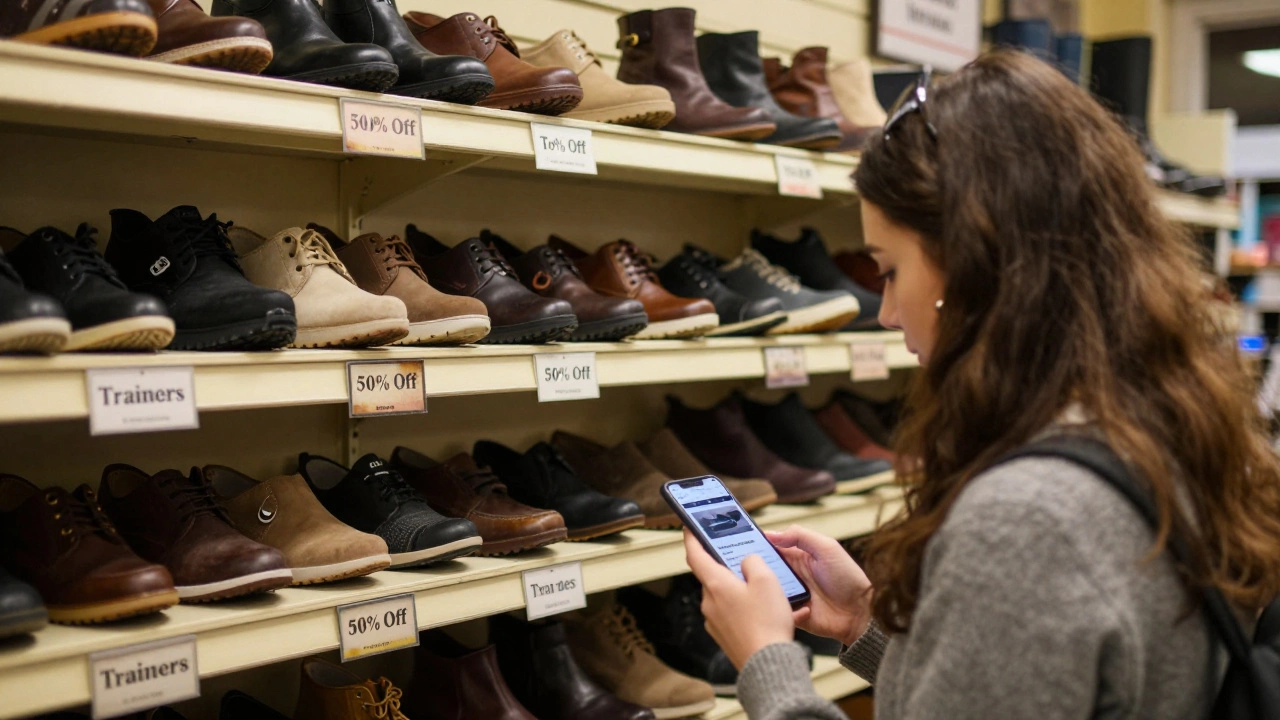
Will ‘sneakers’ ever replace ‘trainers’ here? Probably not. Language changes slowly, especially when it’s tied to weather, terrain, and habit. You won’t see a sign in Galway saying ‘Sneaker Sale’-you’ll see ‘Trainers 50% Off.’
But hybrid terms are creeping in. You might hear ‘running sneakers’ or ‘casual sneakers’ in ads targeting younger crowds. But in conversation? ‘Trainers’ still wins. Even the kids at Coláiste Eoin in Booterstown still call them trainers when they’re heading out for a game of football after class.
And that’s the real story. It’s not about who was first. It’s about what fits. In Ireland, ‘trainers’ fit. They fit our rain, our walks, our routines. They fit our language. And they’ll keep fitting-long after the next American trend fades.
Why do Americans call trainers sneakers?
Americans call them sneakers because the rubber soles allowed people to move quietly, or ‘sneak’ around. The term became popular in the late 1800s in the US, especially among kids. It stuck as the shoes became popular for sports and casual wear, while other countries like Ireland kept using the functional term ‘trainers’ to describe shoes designed for physical activity.
Do Irish people ever say ‘sneakers’?
Most Irish people still say ‘trainers’ in everyday speech. But thanks to global media and online shopping, younger people might use ‘sneakers’ when referring to branded fashion items-especially when shopping on US websites. Still, in conversation, at school, or in a local shop, ‘trainers’ remains the standard term.
Are sneakers and trainers the same thing?
Yes, they’re the same type of shoe: lightweight, rubber-soled, designed for casual wear and light exercise. The difference is purely regional language. In the US, it’s ‘sneakers.’ In Ireland, the UK, and most of Europe, it’s ‘trainers.’
What brands do Irish people actually wear?
Irish people wear a mix of global and local favourites. Popular brands include Clarks, Geox, Superdry, and Nike-but you’ll also see a lot of Dunnes Stores’ own brand, Puma, and Decathlon’s Kalenji line. Many choose based on durability and price, not hype. A pair of trainers that lasts through a winter in Galway is worth more than a flashy pair that falls apart after two rainstorms.
How do I know what size to buy online if I’m in Ireland?
Ireland uses UK shoe sizes. If you’re buying from a US site, subtract half a size from your UK size. For example, if you wear a UK size 8, you’ll need a US size 7.5. Always check the retailer’s size guide and read reviews-many people mention if a brand runs big or small. Brands like Nike often run narrow, while Clarks tend to fit true to size.
Is ‘trainers’ used in other countries besides Ireland?
Yes. ‘Trainers’ is the standard term across the UK, Australia, New Zealand, South Africa, and most Commonwealth countries. It’s also common in parts of Europe, especially where British influence is strong. The term ‘sneakers’ is mostly used in North America and some parts of Asia influenced by American culture.